
Overview
There is no single “best time to visit India.” India stretches from the snow-covered Himalayas to the tropical shores of Kerala, from the deserts of Rajasthan to the rainforests of the Northeast, and from the salt flats of Gujarat to the islands of the Andaman Sea.
That enormous geographic range means something important for travellers: India is essentially a year-round destination — you simply need to know where to go, and when.
While October through March is the classic travel season across much of India, summer is the gateway to the Himalayas, the monsoon transforms forests and waterfalls, and different seasons bring their own festivals, wildlife experiences, foods and landscapes.
The better question is not “When should I visit India?” — it is “Which part of India should I visit this month?”
India’s Seasonal Map
Oct–Mar — The Great Indian Travel Season: The classic travel window. The southwest monsoon retreats, humidity falls, temperatures moderate. Ideal for Delhi, Agra, Jaipur and the whole Rajasthan heritage circuit.
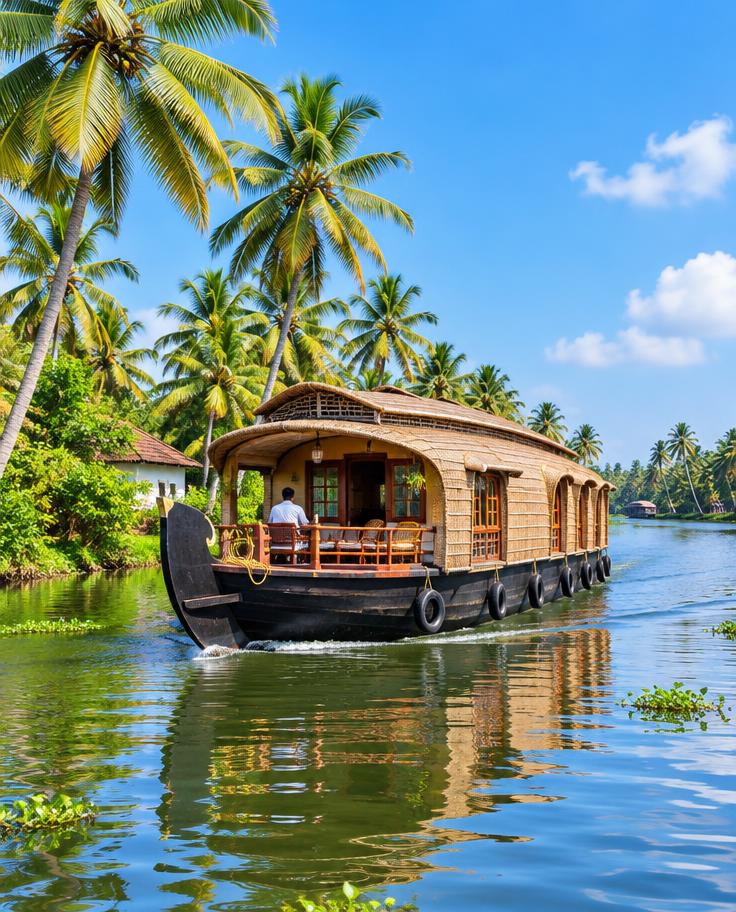
Nov–Feb — Kerala & Tropical South: Kerala backwaters at their most inviting. Munnar hills cool and clear. Tea and spice country, ayurveda, coastal food and slow travel.
Nov–Mar — Goa & the West Coast: Dry sunny weather all along the western shoreline. Portuguese heritage, seafood, beaches and coastal road trips.
Nov–Feb — Wildlife Country: Kanha, Bandhavgarh, Pench, Ranthambore and Kaziranga come into peak sighting season.
Dec–Feb — Tamil Nadu Temple Circuit: Warm days, cool evenings. Chennai, Mahabalipuram, Pondicherry, Madurai and the great Chola temples.
Mar–May — Hill Stations & Holi Season: Shimla, Mussoorie, Darjeeling, Ooty, Kodaikanal, Munnar. Spring flowers in the Himalayas. Holi colours the plains.
Jun–Sep — Ladakh & the High Himalayas: India’s highest destinations open. Leh, Nubra, Pangong. Monasteries and moonscapes.
Jun–Sep — Monsoon India: Green Western Ghats. Waterfalls. Ayurveda season in Kerala. Rain-swept forests, coffee estates and coastal drama.
Sep–Nov — Northeast Awakens: Rain retreats, waterfalls stay full, forests glow. Living root bridges, tea gardens, monasteries and indigenous cultures.
Nov–Feb — Gujarat: Desert, Wildlife, Culture: The white Rann of Kutch, Ahmedabad heritage, artisan villages and Gir’s Asiatic lions.
Dec–Feb — The Islands: Andaman & Nicobar in the Bay of Bengal, Lakshadweep in the Arabian Sea — diving, snorkelling and marine ecosystems.
India, month by month
January — Peak travel: Rajasthan, Delhi, Agra, Gujarat, Kerala, Goa, Tamil Nadu and wildlife parks all at their best.
February — Versatile: One of India’s most balanced travel months across the country.
March — Transition + Holi: Warmer plains. Holi colours the north. Hills start opening.
April — Hills call: Plains heat up. Himalayan foothills, hill stations and highland destinations.
May — Mountains only: Very hot in lowland regions. Focus on high altitude.
June — Monsoon + Ladakh: Monsoon starts in the south. Ladakh season begins.
July — Green season: Peak monsoon. Waterfalls, ayurveda, rain landscapes.
August — Western Ghats: Kerala and Karnataka Ghats at their greenest.
September — Rain retreats: Transition month. Northeast begins its best window.
October — Travel season opens: One of India’s greatest travel months. Weather moderates almost everywhere.
November — Prime everywhere: Rajasthan, Kerala, Goa, Gujarat and much of north India in top form.
December — Peak winter: Excellent in south and central India. Cold in the north, some fog on the plains.
Travel India through its festivals
Dates follow lunar and regional calendars — always double-check the year before booking.
Diwali — Oct/Nov, Nationwide; Holi — March, North India; Onam — Aug/Sep, Kerala; Durga Puja — Oct, West Bengal; Pongal — January, Tamil Nadu; Baisakhi — April, Punjab; Navratri — Oct, Gujarat; Rann Utsav — Nov-Feb, Kutch, Gujarat.
Build your journey around experiences
Instead of asking where to go, start with what you want to experience.
Heritage India — Forts, palaces, colonial history. Nature India — Mountains, forests, waterfalls. Wildlife India — Tigers, elephants, rhinos, birds. Spiritual India — Temples, mosques, monasteries. Food India — Regional cuisines, street food. Wellness India — Ayurveda, yoga, meditation. Adventure India — Trekking, rafting, diving. Village India — Farming, crafts, festivals. Festival India — Plan around celebrations.
Three great first journeys
The Classic India Journey (Oct–Mar): Delhi → Agra → Jaipur → Rajasthan. India’s greatest monuments, Mughal history, palaces, markets, desert.
Tropical India (Nov–Feb): Kochi → Munnar → Thekkady → Kerala Backwaters → Beaches. Tea, spice, forests, wildlife, backwaters, seafood, Arabian Sea.
Himalayan India (Jun–Sep): Delhi → Himalayan foothills → Leh → Ladakh. Mountains, monasteries, high passes, remote settlements.
Beyond the famous places
The Taj Mahal, Jaipur, Goa and Kerala deserve their fame. But one of the goals of Indias.com is to help travellers discover the India between India’s famous destinations.
A district may contain an extraordinary waterfall few international visitors know. A village may have a centuries-old festival. A small town may contain a remarkable temple or craft tradition. A farming community may welcome visitors during harvest.
Indias.com helps travellers explore India state by state, district by district, city by city and, eventually, village by village.
Before you travel
Weather patterns vary year to year, particularly during the monsoon and in mountain regions. Check current forecasts, road conditions, transportation schedules, park opening periods, permit requirements and official travel advisories.
Mountain travellers: pay attention to altitude and rapidly changing weather. Monsoon travellers: monitor rainfall, flooding and landslide conditions. Wildlife travellers: verify seasonal national-park opening dates.
India’s distances are often greater — and its experiences richer — than an itinerary initially suggests.