

Alappuzha stands as a testament to Kerala's unique development model that balances economic growth with social welfare and environmental consciousness. The district's identity, deeply intertwined with its waterways, continues to evolve as it navigates the challenges of modern development.
Alappuzha (Alleppey): The Venice of the East
Nestled on the southwestern coast of India, Alappuzha (formerly known as Alleppey) is a captivating district in Kerala that has earned the moniker "Venice of the East." This picturesque destination is renowned for its intricate network of backwaters, palm-fringed canals, and vibrant cultural heritage. From its scenic waterways and serene beaches to its rich historical significance, Alappuzha offers visitors and residents alike a unique blend of natural beauty, cultural richness, and economic dynamism.
Geography and Natural Features
Waterways and Backwaters
Alappuzha's identity is inextricably linked to its extensive network of backwaters and canals. The district is woven together by an elaborate system of inland waterways that include:
Vembanad Lake: The largest lake in Kerala and a crucial component of the region's ecosystem
Pamba River: One of the major rivers flowing through the district
Achankovil River: Another significant waterway that shapes the local landscape
Manimala River: Contributing to the rich water resources of the region
These waterways not only define Alappuzha's physical landscape but also play a central role in its economic, cultural, and social life.
Beaches
The coastal region of Alappuzha boasts several pristine beaches that attract visitors throughout the year:
Alappuzha Beach: The main beach featuring a historic pier extending into the sea
Marari Beach: A quieter beach known for its unspoiled beauty and fishing village atmosphere
Andhakaranazhi Beach: Notable for its lighthouse and serene environment
Thottappally Beach: Popular for its scenic beauty and the nearby spillway
Infrastructure and Transportation
Road Network
Alappuzha is well-connected by road to major cities in Kerala and neighboring states. National Highway 66 (formerly NH 47) passes through the district, connecting it to cities like Kochi and Thiruvananthapuram. State highways and district roads provide connectivity to interior areas, though some rural regions still face challenges during the monsoon season.
Railways
Alappuzha Railway Station serves as a major transportation hub, connecting the district to various parts of Kerala and beyond. The station lies on the Ernakulam-Kayamkulam coastal railway line and sees regular service from express and passenger trains.
Airports
While Alappuzha doesn't have an airport within its boundaries, it is accessible via:
Cochin International Airport (approximately 85 km away)
Trivandrum International Airport (approximately 155 km away)
Water Transport
Given its extensive network of waterways, water transport holds special significance in Alappuzha:
State Water Transport Department operates ferry services connecting various islands and remote areas
Traditional country boats (vallams) serve as essential transportation for locals
Modern speedboat services offer faster connectivity between key destinations
The backwaters serve as natural highways for the movement of goods and people
Houseboats (Kettuvallams)
Alappuzha is famous for its houseboats, which were traditionally used to transport rice and other goods but have been repurposed for tourism:
Traditional kettuvallams (house boats) constructed using ancient shipbuilding techniques
Modern houseboats equipped with contemporary amenities and luxuries
Various categories ranging from budget to premium options
Overnight cruises through the backwaters offering unique tourism experiences
Local Transportation
Within the district, transportation options include:
KSRTC (Kerala State Road Transport Corporation) buses
Private bus services
Auto-rickshaws
Taxi services
Bicycle rentals, particularly popular among tourists
Cultural Heritage
Boat Races
Alappuzha's Nehru Trophy Boat Race (Vallam Kali) is one of the most iconic sporting events in Kerala:
Held annually on the Punnamada Lake on the second Saturday of August
Features snake boats (chundan vallams) measuring over 100 feet in length
Teams of over 100 rowers compete in synchronized rowing
Other notable boat races include the Champakulam Moolam Boat Race and Payippad Boat Race
Festivals
The cultural calendar of Alappuzha is marked by vibrant festivals:
Onam: The state festival of Kerala celebrated with floral decorations (pookalams), feasts, and cultural performances
Chettikulangara Bharani: Famous for the "Kettukazhcha" display of ornate structures and effigies
Navarathri celebrations at local temples
Christmas and Easter, celebrated with fervor by the significant Christian community
Ramadan and Eid observances by the Muslim population
Arts and Crafts
Alappuzha has a rich tradition of arts and crafts:
Coir products, including mats, rugs, and decorative items
Traditional boat building techniques
Handloom weaving, particularly the famous Alappuzha sarees
Traditional wooden crafts and sculptures
Demographics and Society
Population
Alappuzha district has a population of approximately 2.1 million, with the urban center housing around 240,000 residents. The population density is among the highest in Kerala, reflecting both the fertile land and economic opportunities in the region.
Communities and Social Structure
The population comprises:
Hindu communities (including Nairs, Ezhavas, Namboothiris, and other castes)
Christian denominations (Syrian Christians, Latin Catholics, and others)
Muslim communities (Mappila Muslims and others)
Small populations of other religious and ethnic groups
Kerala's progressive social policies have contributed to relatively reduced caste disparities compared to other parts of India, though social stratification persists to some degree.
Language and Communication
Malayalam is the predominant language, with various dialects specific to the region. English is widely understood in urban areas and among the educated population. Many residents, especially those involved in tourism, have working knowledge of other languages like Hindi, Tamil, and European languages.
Economy and Industries
Traditional Industries
Coir Industry
Alappuzha is a global hub for coir production:
Extraction and processing of coconut fiber
Manufacturing of coir products including mats, rugs, and geotextiles
Export-oriented units catering to international markets
Employment for thousands of workers, particularly women
Fishing
The coastal and backwater regions support a thriving fishing industry:
Traditional fishing practices in the backwaters using country crafts
Marine fishing along the coastline
Processing and trading of various seafood products
Aquaculture ventures in suitable areas
Agriculture
The fertile lands of Alappuzha support:
Rice cultivation in the reclaimed backwater regions (known as "Kuttanad" - the rice bowl of Kerala)
Coconut plantations along the coastal areas
Vegetable farming for local markets
Unique "below sea level" farming practices in certain regions
Modern Sectors
Tourism
Tourism has emerged as a cornerstone of Alappuzha's economy:
Houseboat tourism offering backwater cruises
Beach resorts and homestays
Cultural tourism focused on traditional arts and crafts
Ayurvedic wellness retreats
Small and Medium Enterprises
Various small and medium enterprises operate in sectors such as:
Food processing
Handicrafts
Textiles and garments
Service industries catering to tourism
IT and Modern Services
While not as prominent as in larger cities like Kochi or Thiruvananthapuram, Alappuzha has seen some development in:
Small IT parks and technology centers
Business process outsourcing services
Digital startups leveraging local knowledge and resources
Markets and Commercial Centers
Alappuzha's commercial landscape includes:
The central market area near the boat jetty
Specialized fish markets at Thathampally and Avalukkunnu
Weekly farmers' markets for fresh produce
Commercial streets like Mullackal Road and Church Road
Small neighborhood markets serving local communities
Education
Schools
Alappuzha has a strong educational foundation with:
Government and aided schools following the Kerala State Board curriculum
CBSE and ICSE affiliated private schools
Vocational training institutions
Special education centers
Higher Education
Notable institutions include:
SD College, one of the oldest colleges in the region
College of Engineering Chengannur
T. M. Jacob Memorial Government College
Medical colleges and nursing schools
Polytechnic institutions offering diploma programs
Living Standards and Housing
Residential Patterns
Housing in Alappuzha reflects both traditional and contemporary styles:
Traditional Kerala homes with sloped roofs and courtyards in rural areas
Modern apartment complexes in urban centers
Waterfront properties along the backwaters
Budget and affordable housing initiatives for economically disadvantaged sections
Quality of Life
Alappuzha benefits from Kerala's generally high human development indicators:
High literacy rates (over 96%)
Better healthcare access compared to national averages
Lower infant mortality rates
Higher life expectancy
Greater gender equality metrics
Food and Cuisine
Traditional Cuisine
Alappuzha's cuisine reflects its coastal and backwater geography:
Karimeen pollichathu (pearl spot fish wrapped in banana leaf)
Kuttanadan duck roast
Various seafood preparations using local catches
Traditional Kerala sadya (feast) with an array of vegetarian dishes
Rice-based dishes reflecting the region's agricultural abundance
Dining Options
The culinary landscape includes:
Traditional vegetarian restaurants serving meals on banana leaves
Seafood restaurants specializing in freshwater and marine delicacies
Toddy shops serving local palm wine with spicy side dishes
Modern cafes and international cuisine restaurants in tourist areas
Street food vendors offering local snacks and savories
Hospitality
Accommodations range from:
Luxury resorts along the backwaters and beaches
Heritage hotels in restored colonial buildings
Mid-range hotels catering to domestic tourists
Budget guesthouses and homestays
Unique options like converted rice barges and eco-friendly retreats
Religion and Places of Worship
Temples
Significant Hindu temples include:
Ambalappuzha Sri Krishna Temple, famous for its "Palpayasam" (sweet milk porridge)
Chettikulangara Bhagavathy Temple, known for its elaborate festivals
Mannarasala Temple, renowned for serpent worship
Mullakkal Temple dedicated to Goddess Durga
Churches
The Christian heritage is represented by:
St. Mary's Forane Church, one of the oldest churches in the region
St. Michael's Church at Alappuzha
Arthunkal St. Andrew's Basilica
Various Syrian Christian and Latin Catholic parishes
Mosques
Islamic places of worship include:
Juma Masjid at Alappuzha town
Various neighborhood mosques serving local communities
Urban Management and Governance
Administration
Alappuzha is administered by:
Alappuzha Municipality for the urban area
Gram panchayats for rural regions
District administration overseeing development activities
Waste Management
The district faces challenges in waste management, particularly given its sensitive ecological setting:
Efforts to implement decentralized waste management systems
Community-based initiatives for waste segregation and recycling
Special considerations for managing waste in the backwater regions
Environmental Concerns
Key environmental challenges include:
Water pollution in the backwaters from various sources
Coastal erosion affecting beach areas
Encroachment on wetlands and water bodies
Climate change impacts including changing rainfall patterns and sea level rise
Climate and Weather
Alappuzha experiences a tropical climate characterized by:
Hot and humid summers (March to May) with temperatures around 28-36°C
Southwest monsoon (June to September) bringing heavy rainfall
Northeast monsoon (October to December) with intermittent showers
Relatively mild winters (December to February) with temperatures around 20-32°C
The annual rainfall averages around 3,000 mm, supporting the lush vegetation and water resources that define the region.
Entertainment and Leisure
Cultural Entertainment
Traditional entertainment forms include:
Kathakali performances showcasing Kerala's classical dance-drama
Mohiniyattam, the classical dance form of Kerala
Koodiyattam, one of the oldest continuously performed theatre forms in the world
Chavittu Nadakam, influenced by European opera and Christian traditions
Modern Entertainment
Contemporary entertainment options encompass:
Movie theaters screening Malayalam films and other languages
Cultural centers hosting performances and exhibitions
Public parks and gardens
Beach activities and water sports
Nightlife
Nightlife in Alappuzha is relatively subdued compared to larger cities, with:
Evening cultural shows at major hotels and resorts
Beachside dining and entertainment options
Sunset cruises on the backwaters
Seasonal festivals and celebrations
Development and Future Outlook
Challenges
Alappuzha faces several developmental challenges:
Balancing tourism growth with environmental sustainability
Addressing infrastructure needs while preserving the natural ecosystem
Climate change adaptation, particularly for low-lying areas
Economic diversification beyond traditional sectors
Opportunities
Future development pathways include:
Sustainable tourism models that preserve the ecological integrity of the backwaters
Value addition in traditional industries like coir and handicrafts
Digital integration of local businesses and services
Climate-resilient infrastructure development
Urban Expansion
The urban footprint is gradually extending to suburbs like:
Mannancherry
Mararikulam
Pathirappally
Thathampally
Conclusion
Alappuzha stands as a testament to Kerala's unique development model that balances economic growth with social welfare and environmental consciousness. The district's identity, deeply intertwined with its waterways, continues to evolve as it navigates the challenges of modern development while preserving its rich cultural heritage and natural beauty. As the "Venice of the East," Alappuzha offers a microcosm of Kerala's distinctive characteristics—lush landscapes, vibrant traditions, progressive social indicators, and a gentle pace of life that continues to captivate both residents and visitors.
More in kerala

Cochin International Airport
Cochin International Airport stands as a testament to innovative airport management, environmental responsibility, and exceptional passenger service. Its achievement as the world's first fully solar-powered airport has set new standards for sustainable aviation infrastructure globally.
Thalassery - Kerala
Thalassery also called as Tellicherry is commonly known for 3 C's Which is Circus, Cricket, Cake. Being once a British outpost, Thalassery claims many firsts – it is said to be where the first game of cricket in India was played by the British, where the first circus performed.
Kerala Hospitals
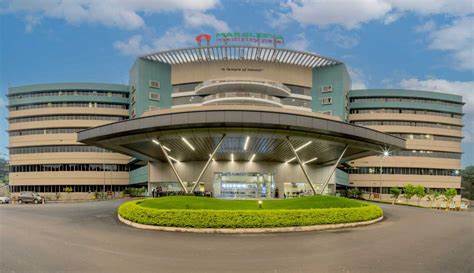
Kerala's healthcare model, combining accessibility, quality, world class hospitals, and inclusivity, continues to evolve as a notable example within India's diverse healthcare landscape, positioning the state as both a healthcare provider and innovator in the coming decades.

Pala Kottayam Kerala
Pala's environmental concerns include river pollution, plastic waste accumulation, and conservation of natural resources. The impact of climate change has become evident through altered rainfall patterns and extreme weather.

Kannur (Cannanore) Kerala
Kannur continues its development journey, the challenge remains to preserve its unique cultural heritage and natural beauty while providing economic opportunities for its population – a balancing act that defines not just Kannur but Kerala's distinctive development model as a whole.

Wayanad Kerala
Wayanad offers far more than scenic vistas and adventure opportunities—it provides a window into the complex interplay between humanity and nature in one of India's most beautiful highland regions. As local communities work to define a sustainable path forward, Wayanad continues to evolve

Kozhikode Kerala
Kozhikode stands at a fascinating crossroads—a city deeply rooted in its illustrious history while actively embracing modernity. From the aromatic spice markets that once attracted traders from across the globe to the emerging IT parks shaping its future

Malappuram Kerala
Malappuram represents a dynamic region in transition, balancing traditional values with modern aspirations. Its diverse cultural landscape, natural beauty, and entrepreneurial spirit position it as an emerging district in Kerala's development narrative.
More in kerala districts

Idukki Kerala India
Idukki stands as a testament to the harmonious coexistence of natural beauty, cultural diversity, and human enterprise. This highland district, with its mist-covered mountains, sprawling plantations, powerful rivers, and rich biodiversity, represents a unique facet of Kerala.

Thrissur (Trichur)
Thrissur embodies Kerala's distinctive development model where cultural richness, educational achievement, and community cohesion complement economic progress. The city's identity remains firmly anchored in its cultural heritage while adapting to contemporary realities.