

Bhubaneswar is the capital and the largest city of Odisha, India. It is known for its ancient temples, modern planning and IT sector. Bhubaneswar is situated in eastern India along the eastern coastal plains, about 60 kilometers from the Bay of Bengal.
A Comprehensive Guide to Bhubaneswar: The Temple City of India
Bhubaneswar, the capital of Odisha (formerly Orissa), is a city that beautifully blends ancient heritage with modern development. Known as the "Temple City of India," it offers a fascinating glimpse into both traditional Odia culture and contemporary urban life.
Geography and Climate
Bhubaneswar is situated in eastern India along the eastern coastal plains, about 60 kilometers from the Bay of Bengal. The city experiences a tropical climate with hot, humid summers (March-June), a monsoon season (July-September), and mild winters (November-February). Average temperatures range from 12°C in winter to 45°C in summer.
The city is built on slightly elevated land with the Daya, Kuakhai, and Mahanadi rivers flowing nearby. The Chandaka-Dampara Wildlife Sanctuary borders the city on the western side, providing a green buffer zone.
Infrastructure and Urban Development
Transportation
Airports :
Biju Patnaik International Airport serves the city with domestic connections to major Indian cities and limited international flights
The nearest major international hub is Kolkata International Airport (approx. 440 km)
Railways :
Bhubaneswar Railway Station is a major junction on the East Coast Railway zone
Well-connected to metropolitan cities like Delhi, Mumbai, Chennai, and Kolkata
Smaller stations like Mancheswar and Vani Vihar serve suburban areas
Local Transportation :
City buses operated by Capital Region Urban Transport (CRUT)
Auto-rickshaws and taxi services
App-based ride services like Ola and Uber
Growing network of bicycle lanes in newer areas
Roads :
National Highway 16 (part of the Golden Quadrilateral) passes through the city
Well-planned grid-pattern roads in newer areas
Ongoing expansion of six-lane highways connecting to suburban areas
The Bhubaneswar-Cuttack expressway has improved connectivity between the twin cities
Housing and Urban Planning
Bhubaneswar represents one of India's earliest planned cities post-independence, designed by German architect Otto Königsberger in 1948. The city is divided into distinct areas:
Old Town: Heritage zone with ancient temples and traditional housing
Unit Areas: Planned residential sections numbered as units
Newer Developments: Patia, Chandrasekharpur, and Infocity with modern apartments and gated communities
The Bhubaneswar Development Authority (BDA) continues to expand the city with planned housing colonies and integrated townships.
Natural Resources and Environment
Rivers and Water Bodies
The city is influenced by several rivers:
Mahanadi River (north)
Daya River (south)
Kuakhai River (east)
Numerous man-made lakes including Bindusagar and Ekamra Kanan lake
Hills and Forests
While Bhubaneswar itself is relatively flat, several hills dot the landscape around the city:
Khandagiri and Udayagiri hills with ancient Jain caves
Dhauli hill, site of Emperor Ashoka's famous rock edicts
Chandaka-Dampara Wildlife Sanctuary provides forest cover
Wildlife : The surrounding forests host elephants, leopards, various deer species, peacocks, and numerous bird varieties. The nearby Nandankanan Zoological Park houses white tigers, a specialty of the region.
Environmental Challenges
Cyclones : Being near the eastern coast, Bhubaneswar is vulnerable to cyclones, particularly during October-November and April-May. Notable recent cyclones include Fani (2019) and Amphan (2020).
Flooding : Monsoon flooding occurs regularly, especially in low-lying areas near the rivers. The city has implemented drainage improvement projects with mixed success.
Waste Management : The city operates a semi-automated waste collection system with door-to-door collection, though challenges remain in processing and disposal.
Economy and Industries
IT and Education Sector
Bhubaneswar has emerged as an IT hub in eastern India:
Infocity IT park houses offices of TCS, Wipro, Mindtree, and Tech Mahindra
STPI (Software Technology Parks of India) provides infrastructure for smaller IT companies
The education sector forms a significant part of the local economy:
KIIT University and NISER (National Institute of Science Education and Research)
AIIMS Bhubaneswar and Institute of Physics
XIM University and numerous engineering and medical colleges
Agriculture and Fishing
The surrounding rural areas produce:
Rice (primary crop)
Vegetables (especially during winter)
Sugarcane and pulses
Cashew and coconut plantations
Coastal regions specialize in:
Shrimp farming (a major export)
Traditional fishing communities supply seafood to local markets
Markets and Commerce
Unit 1 Market: Central commercial hub with textiles and general merchandise
BMC Marketplaces: Regular vegetable and fish markets throughout the city
Nayapalli Market: Popular for fresh produce
Saheed Nagar and Janpath: Retail shopping districts
Cultural Heritage
Temples and Religious Sites
Bhubaneswar is renowned for its temples, with over 700 in and around the city:
Lingaraj Temple: 11th century, dedicated to Lord Shiva
Mukteshwar Temple: 10th century, known for its exquisite carvings
ISKCON Temple: Modern complex dedicated to Lord Krishna
Parasurameswara Temple: One of the oldest temples (7th century)
Other religious places include:
Mosque of Kadam Rasul
Haj House and numerous smaller mosques
St. Vincent's Catholic Cathedral
Several Protestant churches
Museums and Cultural Institutions
Odisha State Museum: Houses artifacts from the state's rich history
Regional Museum of Natural History
Tribal Research Institute Museum: Showcases tribal culture and artifacts
Odisha Crafts Museum: Displays traditional handicrafts
Festivals and Celebrations
Durga Puja (September/October)
Rath Yatra celebrated at local Jagannath temples
Khandagiri-Udayagiri Jatra (January/February)
Diwali and Holi celebrated with regional variations
Ekamra Utsav: Cultural festival highlighting the city's heritage
International Sand Art Festival at nearby Puri beach
People and Society
Demographics
Bhubaneswar has a population of approximately 1.2 million (urban area). The demographics include:
Predominantly Odia-speaking population
Significant Bengali, Marwari, and South Indian communities
Growing expatriate population due to educational institutions
Social Structure
The social fabric includes:
Traditional caste structures still visible in older areas
Growing middle-class professionals in newer neighborhoods
Tribal communities from surrounding regions migrating for work
Student populations creating cosmopolitan pockets
Living Standards
Upper middle-class areas in Saheed Nagar, Nayapalli, and Pokhariput
Middle-class housing in Units and Bharatpur areas
Lower income housing and informal settlements near industrial zones
Growing luxury apartment complexes in newer developments
Food and Hospitality
Local Cuisine
Odia cuisine features:
Rice-based dishes
Fish preparations (especially freshwater varieties)
Dalma (lentils with vegetables)
Pakhala (fermented rice)
Chhena Poda (cheesecake-like dessert)
Liberal use of mustard, panch phoran (five-spice blend), and turmeric
Dining and Accommodation
Luxury hotels: Mayfair Lagoon, Trident, and Swosti Premium
Mid-range hotels concentrated around railway station and Janpath
Budget accommodations near Old Town and major educational institutions
Traditional food at Dalma restaurant and Odisha Hotel
Street food clusters near markets and colleges
Entertainment and Lifestyle
Shopping and Recreation
BMC Ekamra Haat: Handicrafts and traditional products
Esplanade One and DN Regalia: Modern shopping malls
Museum Road and Janpath for boutique shopping
Entertainment Venues
Inox and Cinepolis multiplex theaters
Rabindra Mandap for cultural performances
Kalinga Stadium for sporting events
Ekamra Haat for evening cultural programs
Sports Facilities
Kalinga Stadium: Multi-purpose stadium hosting international hockey events
KIIT Stadium: Modern sports complex
East Coast Railway Stadium
Multiple cricket grounds throughout the city
Future Development
The Bhubaneswar Smart City plan envisions:
Transit-oriented development
Expanded public transportation network
Underground utilities in central areas
Smart grid electricity distribution
Integrated command and control center for city management
Expanded green spaces and urban forests
Conclusion
Bhubaneswar represents a unique blend of ancient heritage and modern aspirations. While preserving its status as a temple city, it has successfully positioned itself as an educational and technological hub in eastern India. As the city continues to grow, balancing development with environmental sustainability and cultural preservation remains its primary challenge and opportunity.
More in bhubaneswar
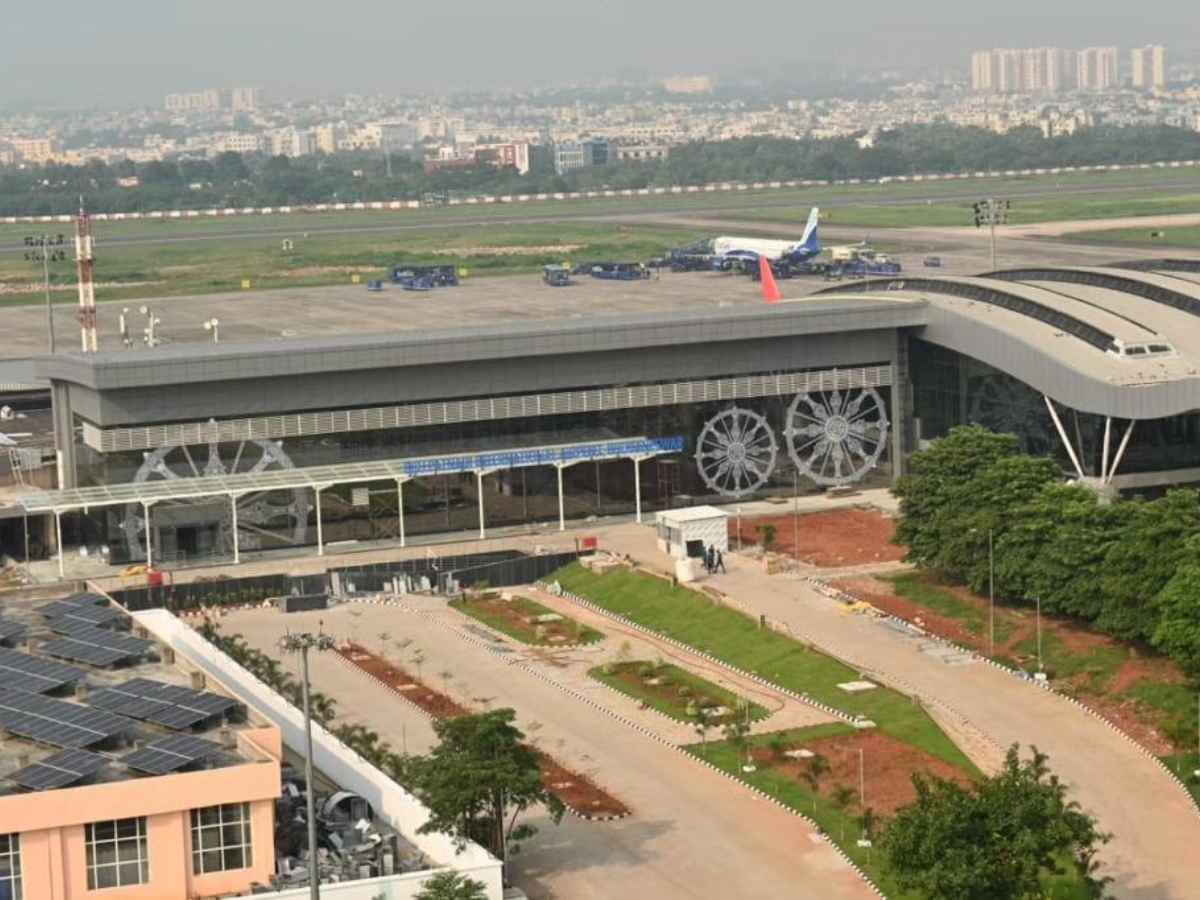
Bhubaneswar Airport - Odisha
With the recent expansion of route networks and the commitment to sustainable operations, Biju Patnaik International Airport is positioned for continued growth. The addition of new domestic routes in 2025 and the resumption of international services indicate strong market confidence.
More in odisha
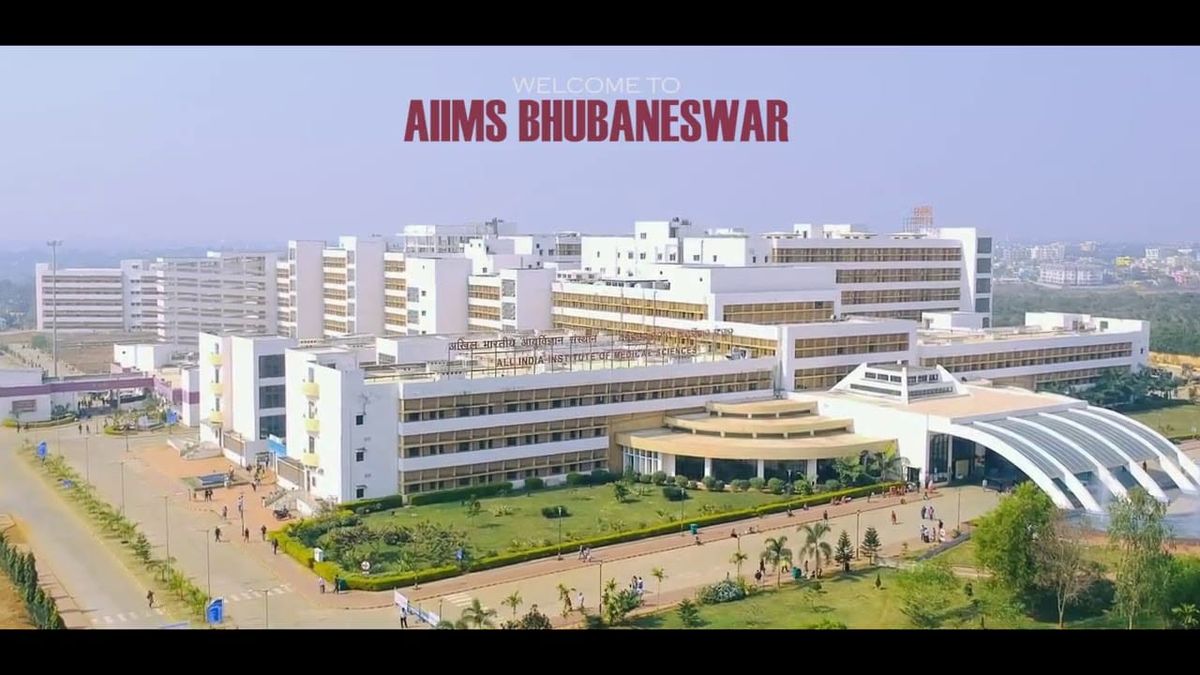
Bhubaneswar Hospitals
Bhubaneswar's land healthcare landscape has undergone a remarkable transformation over the past two decades, evolving from a city with limited medical facilities to an emerging healthcare hub for eastern India with the establishment of AIIMS Bhubaneswar.
More in indian cities
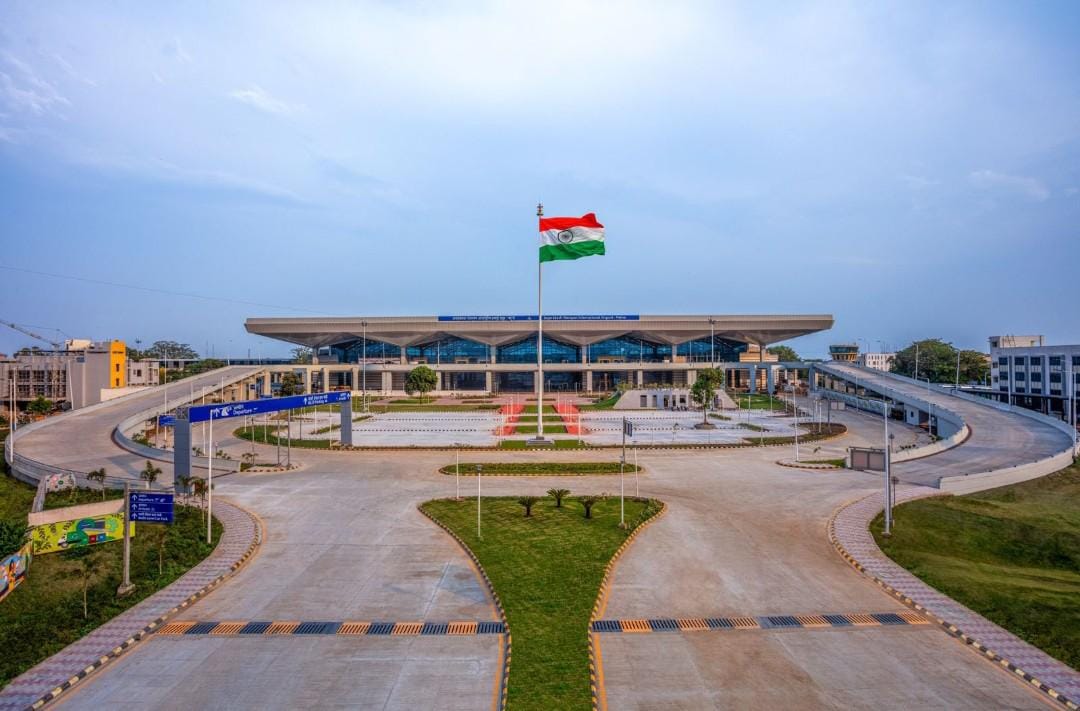
Patna Airport - Bihar India
Jay Prakash Narayan International Airport stands as a vital transportation hub for Bihar and the surrounding region, connecting one of India's most historically significant areas to the broader national and international aviation network.

Surat - Gujarat India
Surat is a modern industrial and commercial powerhouse exemplifies urban transformation in contemporary India. The city successfully balances traditional cultural values with modern aspirations, creating a dynamic environment that continues to attract people from across India.

Indore - Madhya Pradesh India
Indore represents the success story of a tier-two Indian city that has leveraged its entrepreneurial spirit, strategic location, and cultural heritage to create a vibrant urban center with high quality of life. From its remarkable cleanliness achievements to its mouth-watering cuisine

Amritsar - Punjab India
Amritsar stands as a testament to the resilience, cultural richness, and spiritual depth of Punjab. From the serene ambiance of the Golden Temple to the bustling energy of its markets, from the solemn reminder of history at Jallianwala Bagh to the patriotic fervor at the Wagah border.

Panaji - Panjim Goa
Panaji (also known as Panjim), the capital city of Goa, sits at the mouth of the Mandovi River. Panaji faces several key challenges including balancing tourism development with environmental sustainability.

Thiruvananthapuram
Under India's Smart Cities Mission, Thiruvananthapuram has implemented projects including integrated command and control center, smart roads with utility ducts, and intelligent traffic management systems. These initiatives aim to leverage technology for improving urban services and quality of life

Pune (Poona)
As Maharashtra's cultural heartland and emerging technology center, Pune's future lies in successfully integrating its historical identity with its aspirations as a global city—creating an urban environment that honors its past while embracing innovation and inclusivity.

Chennai (Madras)
Chennai's future trajectory balances economic growth with cultural preservation, as it continues to serve as South India's gateway while maintaining its distinctive Tamil character and traditions. The city's resilience, demonstrated adaptation to economic changes.