

Buddhism's journey from its origins under the Bodhi tree in India to a global spiritual, philosophical, and cultural force demonstrates its remarkable adaptability and enduring relevance of Buddha's insights into human suffering and the path to its cessation.
Buddhism in India and Its Global Influence
Origins and Early Development
Buddhism originated in ancient India around the 5th century BCE with Siddhartha Gautama, later known as the Buddha (the "Awakened One"). Born a prince in Lumbini (modern-day Nepal) to the royal family of the Shakya clan, Siddhartha abandoned his luxurious life at age 29 after encountering human suffering. After six years of ascetic practices and meditation, he attained enlightenment under the Bodhi tree in Bodh Gaya, Bihar.
The Buddha's first sermon at Sarnath near Varanasi established the foundation of Buddhist teachings with the Four Noble Truths:
The truth of suffering (dukkha)
The truth of the cause of suffering (samudaya)
The truth of the cessation of suffering (nirodha)
The truth of the path leading to cessation of suffering (magga)
The Buddha spent the next 45 years traveling across the Gangetic plain, establishing a monastic order (Sangha), and teaching his Middle Way philosophy that avoided both extreme asceticism and sensual indulgence.
Historical Development in India
Buddhism flourished in India under the patronage of various rulers:
Mauryan Period (322-185 BCE)
Emperor Ashoka (304-232 BCE) became Buddhism's greatest patron after his remorse over the bloodshed of the Kalinga War. He:
Sent missionaries throughout Asia and as far as Greece
Built 84,000 stupas and numerous pillars inscribed with Buddhist edicts
Convened the Third Buddhist Council at Pataliputra to standardize the teachings
Kushana Period (30-375 CE)
King Kanishka convened the Fourth Buddhist Council, which helped formalize the Mahayana tradition. This period saw tremendous artistic development with the Gandhara and Mathura schools of Buddhist art.
Gupta Period (320-550 CE)
The Gupta Empire fostered intellectual development in Buddhism, with Nalanda University becoming the world's first residential university and a center of Buddhist learning.
Post-Gupta Decline
Buddhism gradually declined in India due to:
Revival of Hinduism under philosophers like Adi Shankara
Loss of royal patronage
Absorption of Buddhist elements into Hinduism
Muslim invasions from the 12th century CE
Destruction of major Buddhist institutions like Nalanda
By the 13th century, Buddhism had nearly disappeared from the Indian subcontinent except in border regions and pockets in Bengal and Orissa.
Major Schools and Traditions
Buddhism has diversified into numerous schools, with three main vehicles:
Theravada (Way of the Elders)
Considers itself the original school preserving the Buddha's teachings
Prevalent in Sri Lanka, Thailand, Myanmar, Cambodia, and Laos
Emphasizes individual enlightenment through the monastic path
Canon is the Pali Tripitaka (Three Baskets)
Focuses on meditation and strict adherence to monastic rules (Vinaya)
Mahayana (Great Vehicle)
Developed around the 1st century CE
Emphasizes universal salvation and compassion
Introduces the bodhisattva ideal—beings who delay their own nirvana to help others
Prevalent in China, Japan, Korea, and Vietnam
Major traditions include Pure Land, Zen/Chan, Tiantai, and Nichiren
Vajrayana (Diamond Vehicle)
Tantric form of Buddhism that developed from Mahayana
Incorporates ritual, mantras, mudras (symbolic gestures), and visualization
Prevalent in Tibet, Mongolia, Bhutan, and parts of Nepal, Russia, and India
Places emphasis on guru-disciple relationship
Features complex pantheons of deities as meditation aids
Revival of Buddhism in Modern India
Buddhism experienced a revival in India in the 20th century primarily through:
Dr. B.R. Ambedkar's Movement
In 1956, Dr. B.R. Ambedkar, the architect of India's constitution, converted to Buddhism along with approximately 500,000 followers, mostly from the Dalit community. This Navayana or "Neo-Buddhist" movement rejected the caste system and sought social equality.
Tibetan Refugees
Following the Chinese occupation of Tibet in 1959, the 14th Dalai Lama and thousands of Tibetans established a government-in-exile in Dharamshala, creating vibrant Buddhist communities across northern India.
International Buddhist Organizations
Groups like the Maha Bodhi Society have worked to restore Buddhist sites and promote Buddhism in India.
Major Buddhist Sites and Temples in India
India hosts numerous sacred Buddhist sites:
The Buddhist Circuit
Four most sacred sites related to Buddha's life:
Lumbini (Nepal): Buddha's birthplace
Bodh Gaya (Bihar): Site of enlightenment, features the Mahabodhi Temple Complex (UNESCO World Heritage site)
Sarnath (Uttar Pradesh): First sermon location, features the Dhamek Stupa
Kushinagar (Uttar Pradesh): Site of Buddha's parinirvana (death)
Other Major Sites
Nalanda and Vikramashila (Bihar): Ancient Buddhist universities
Ajanta and Ellora Caves (Maharashtra): Rock-cut cave monasteries with exquisite Buddhist paintings and sculptures
Sanchi Stupa (Madhya Pradesh): Built by Emperor Ashoka, features ancient gateways with elaborate carvings
Tawang Monastery (Arunachal Pradesh): Largest monastery in India and second largest in the world
Rumtek Monastery (Sikkim): Seat of the Karmapa Lama in India
Global Vipassana Pagoda (Mumbai): Modern meditation center with world's largest stone dome built without supporting pillars
Buddhist Practices and Way of Life
Core Ethical Principles
Buddhist ethics revolve around five precepts (Pañcasīla):
Abstaining from killing living beings
Abstaining from taking what is not given (stealing)
Abstaining from sexual misconduct
Abstaining from false speech (lying)
Abstaining from intoxicants that cause heedlessness
Monastics follow additional precepts, with fully ordained monks (bhikkhus) observing 227 rules in the Theravada tradition.
Meditation and Mindfulness
Meditation forms the core of Buddhist practice, with primary types including:
Samatha (concentration): Developing single-pointed focus
Vipassana (insight): Cultivating awareness and understanding of impermanence
Metta (loving-kindness): Generating compassion for all beings
Rituals and Ceremonies
Buddhist practices vary widely but often include:
Puja : Offering flowers, incense, and light to Buddha images
Chanting : Recitation of sutras and mantras
Circumambulation : Walking clockwise around stupas or sacred objects
Prostrations : Physical expressions of reverence
Dana : The practice of generous giving, especially to monastics
Buddhist Attire and Symbolism
Monastic Robes
Buddhist monks and nuns wear distinctive robes that vary by tradition:
Theravada : Typically saffron or orange in Southeast Asia
Mahayana : Often gray, black, or brown in East Asia
Vajrayana : Maroon or red in Tibetan traditions
Lay practitioners typically wear normal clothing but may don white clothing during temple visits or meditation retreats.
Religious Symbols
Key Buddhist symbols include:
Dharma Wheel (Dharmachakra) : Representing the Buddha's teachings
Lotus Flower : Symbolizing purity and enlightenment
Bodhi Tree : Where the Buddha achieved enlightenment
Buddha Footprint : Representing the Buddha's presence
Endless Knot : Symbolizing interdependence and interconnectedness
Stupa : Representing the Buddha's mind
Buddhist Diet and Vegetarianism
Buddhist dietary practices vary considerably:
Vegetarianism
Many Mahayana Buddhists practice vegetarianism based on the principle of non-harm
The Chinese, Korean, and Vietnamese traditions strongly emphasize vegetarianism
In Japan, certain sects developed "shojin ryori," a sophisticated vegetarian cuisine
Theravada and Tibetan Practices
Many Theravada and Tibetan Buddhists are not strictly vegetarian
Monastics traditionally accept whatever food is offered during alms rounds
The Buddha did not explicitly forbid meat consumption but prohibited killing animals or requesting animals be killed for one's consumption
Fasting Practices
Some traditions observe fasting on full moon days or during retreats
East Asian monastics often abstain from eating after midday
Economic Influence and Business
Traditional Economic Models
Historically, Buddhist monasteries controlled significant lands and resources:
In medieval Japan, temples operated as major landowners and financial institutions
In Tibet, monasteries functioned as economic centers, controlling vast estates
In Southeast Asia, temples served as community centers and educational institutions
Modern Buddhist Business Leaders
Notable Buddhist business figures include:
Kazuo Inamori : Founder of Kyocera and KDDI, ordained as a Zen priest
Chade-Meng Tan : Former Google engineer who developed mindfulness programs in corporate settings
Robert Thurman : Buddhist scholar and entrepreneur
Bhikkhu Sanghasena : Founder of the Mahabodhi International Meditation Centre, which runs social enterprises
Socially Engaged Buddhism
A movement applying Buddhist principles to contemporary social, political, and economic issues:
Organizations like the Buddhist Economics Research Platform explore alternatives to conventional economic models
The Gross National Happiness index in Bhutan represents a Buddhist-influenced approach to development
Microfinance institutions inspired by Buddhist principles operate in several Asian countries
Buddhist Educational Institutions
Ancient Universities
India was home to the world's first residential universities, all Buddhist:
Nalanda (5th-12th centuries CE): Accommodated up to 10,000 students from across Asia
Vikramashila (8th-12th centuries CE): Specialized in Vajrayana teachings
Taxila (5th century BCE-5th century CE): Pre-dated formal Buddhism but became an important center
Odantapuri and Somapura : Major learning centers in ancient Bengal
Contemporary Buddhist Educational Institutions in India
Central University of Tibetan Studies (Sarnath): Research and teaching of Tibetan studies
Nava Nalanda Mahavihara (Bihar): Research center for Pali and Buddhist studies
Central Institute of Higher Tibetan Studies (Varanasi): Preserves Tibetan culture and tradition
Buddhist and Pali University (Delhi): Focuses on Buddhist textual studies
Gautam Buddha University (Greater Noida): Modern university inspired by Buddhist values
Global Buddhist Universities
Naropa University (USA): Founded on Buddhist principles
Mahachulalongkornrajavidyalaya University (Thailand): Major center for Theravada studies
Dongguk University (South Korea): Founded by the Jogye Order of Korean Buddhism
Foguang University (Taiwan): Operated by the Fo Guang Shan order
Healthcare and Buddhist Institutions
Traditional Buddhist Medicine
Buddhist traditions developed sophisticated medical systems:
Tibetan medicine : Holistic approach combining physical, mental, and spiritual healing
Traditional Thai massage : Developed in Buddhist temples
Zen healing arts : Including specialized dietary approaches
Contemporary Buddhist Healthcare Initiatives
Karuna-Shechen : Founded by monk Matthieu Ricard, operates clinics in India, Nepal, and Tibet
Taiwan's Tzu Chi Foundation : Operates hospitals globally
The Sarvajan Health Mission : Healthcare initiative by Indian Neo-Buddhists
Green Tara Trust : Provides maternal healthcare in Nepal
Buddhist Compassion Relief Tzu Chi Foundation : Runs hospitals and medical outreach programs
Sacred Texts and Literature
Early Buddhist Texts
Vinaya Pitaka: Rules for monastic discipline
Sutta Pitaka: Discourses attributed to the Buddha
Abhidhamma Pitaka: Philosophical and psychological analysis
Mahayana Sutras
Prajnaparamita Sutras : Including the Heart and Diamond Sutras
Lotus Sutra : Central text for many East Asian schools
Avatamsaka Sutra : Foundation for the Huayan school
Pure Land Sutras : Focusing on Amitabha Buddha and rebirth in the Pure Land
Vajrayana Texts
Tantras : Esoteric teachings attributed to the Buddha
Tibetan Book of the Dead (Bardo Thodol) : Guide through the intermediate state between death and rebirth
Important Commentaries
Visuddhimagga : Buddhaghosa's comprehensive guide to meditation and doctrine
Abhidharmakosa : Vasubandhu's systematic presentation of Buddhist philosophy
Mulamadhyamakakarika : Nagarjuna's foundational text on emptiness
Notable Buddhist Saints, Scholars, and Teachers
Ancient Indian Masters
Nagarjuna (c. 150-250 CE): Founder of the Madhyamaka school
Asanga and Vasubandhu (4th-5th centuries CE): Founders of the Yogachara school
Padmasambhava (8th century CE): Introduced Buddhism to Tibet
Atisha (982-1054 CE): Revived Buddhism in Tibet
Buddhaghosa (5th century CE): Theravada commentator and scholar
Modern Teachers from India
Anagarika Dharmapala (1864-1933): Revived Buddhism in India and Sri Lanka
Dr. B.R. Ambedkar (1891-1956): Leader of the Dalit Buddhist movement
S.N. Goenka (1924-2013): Pioneered Vipassana meditation globally
Sangharakshita (1925-2018): Founder of the Triratna Buddhist Community
Dipa Ma (1911-1989): Female meditation master who influenced Western Buddhism
Contemporary Global Teachers
14th Dalai Lama (b. 1935): Spiritual leader of Tibetan Buddhism
Thich Nhat Hanh (1926-2022): Vietnamese Zen master and peace activist
Pema Chödrön (b. 1936): American Tibetan Buddhist nun and author
Bhikkhu Bodhi (b. 1944): American-born Theravada monk and translator
Ajahn Chah (1918-1992): Thai forest tradition master
Buddhist Pilgrimages
Major Pilgrimage Routes in India
The Buddhist Circuit : Connecting the four main sites of Buddha's life
Ashoka's Pilgrimage : Following Emperor Ashoka's journey
Xuanzang's Route : Tracing the 7th-century Chinese pilgrim's path through India
Important International Pilgrimages
Mount Kailash (Tibet): Sacred to Buddhists, Hindus, and Jains
Shikoku Pilgrimage (Japan): 88-temple circuit dedicated to Kobo Daishi
Borobudur (Indonesia): World's largest Buddhist temple
Adam's Peak (Sri Lanka): Said to bear Buddha's footprint
Wutai Shan (China): Sacred mountain associated with Manjushri bodhisattva
Global Buddhist Population and Distribution
Current Demographics
As of 2023, Buddhism has approximately 520-535 million adherents worldwide (about 7% of the global population):
East Asia : China (18-20% of population), Japan (70%), South Korea (23%)
Southeast Asia : Thailand (95%), Myanmar (88%), Cambodia (97%), Laos (66%), Vietnam (16%)
South Asia : Sri Lanka (70%), Nepal (11%), India (0.7%, approximately 8-10 million)
Central Asia : Mongolia (55%), Bhutan (75%), Tibet region (>90%)
Western Buddhist Communities
United States
Approximately 3-4 million Buddhists (1% of population)
Largest populations in California, New York, Hawaii
Mix of Asian immigrant communities and Western converts
Notable centers: San Francisco Zen Center, Deer Park Monastery, Insight Meditation Society
Canada
Approximately 360,000-500,000 Buddhists (1-1.4% of population)
Concentrated in Vancouver, Toronto, and Montreal
Strong representation of Chinese, Vietnamese, Japanese, and Tibetan traditions
United Kingdom
Approximately 250,000-300,000 Buddhists (0.4% of population)
London hosts the largest Buddhist population
Notable centers: Amaravati Buddhist Monastery, Samye Ling Monastery, London Buddhist Centre
Growth Trends
Buddhism is among the fastest-growing religions in Western countries
Mindfulness practices derived from Buddhism have gained mainstream acceptance
Secular Buddhism and Buddhism-inspired practices are growing significantly
Religious Harmony and Conflicts
Peaceful Coexistence
Buddhism historically emphasizes non-violence and has generally maintained peaceful relations with other faiths:
In China and Japan, Buddhism syncretized with Taoism, Confucianism, and Shinto
In Southeast Asia, Buddhist traditions incorporated local animist practices
The concept of "expedient means" allows Buddhism to adapt to different cultural contexts
Tensions and Conflicts
Historical Conflicts
Emperor Wuzong's Persecution (845 CE): Massive suppression of Buddhism in Tang Dynasty China
Mongolian Invasions (13th century): Destroyed many Buddhist institutions in South Asia
Japanese Meiji Restoration (1868): Brief but intense persecution of Buddhism
Modern Tensions
Myanmar : Buddhist-Muslim tensions, particularly regarding the Rohingya population
Sri Lanka : Historical Buddhist-Tamil conflicts
Thailand : Religious dimensions to southern insurgency involving Muslim minority
Tibet : Ongoing religious freedom issues under Chinese rule
Internal Sectarian Issues
Controversies over the recognition of lineage holders, particularly in Tibetan Buddhism
Debates about gender equality and female ordination in Theravada traditions
Tensions between traditional and modernizing/secularizing approaches
Economic Power and Institutional Assets
Traditional Wealth
Historically, Buddhist institutions accumulated significant wealth through:
Royal patronage and land grants
Donations from lay followers
Investment and business activities
Agricultural production on monastery lands
Contemporary Financial Structures
Japan : Major Buddhist denominations like Soka Gakkai and Pure Land operate universities, banks, and media companies
Taiwan : Organizations like Dharma Drum Mountain and Tzu Chi manage substantial assets
Thailand : The Sangha owns approximately 5% of the nation's land
Tibet : Historical monasteries controlled up to 40% of land and wealth before Chinese occupation
Charitable Operations
Many Buddhist organizations maintain extensive charitable operations:
Taiwan's Tzu Chi Foundation : Annual budget exceeds $300 million for global relief
Japanese Buddhist foundations : Fund education, healthcare, and cultural preservation
Thai temple system : Provides social services throughout the country
The Future of Buddhism in India and Globally
Emerging Trends in India
Growing middle-class interest in meditation and mindfulness practices
Increasing scholarly attention to India's Buddhist heritage
Development of Buddhist pilgrimage tourism
Continuing conversions among historically marginalized communities
Growing diplomatic soft power through Buddhist connections with Asian neighbors
Global Developments
Increasing secularization of Buddhist practices in Western contexts
Growing emphasis on engaged Buddhism addressing environmental and social justice issues
Digital advancement with online teachings, apps, and virtual communities
Continued dialogue with science, particularly in neuroscience and psychology
Emerging female leadership and addressing gender equality
Conclusion
Buddhism's journey from its origins under the Bodhi tree in India to a global spiritual, philosophical, and cultural force demonstrates its remarkable adaptability and enduring relevance. While Buddhism nearly disappeared from the land of its birth for nearly a millennium, its revival in modern India and continued evolution worldwide speaks to the timeless nature of the Buddha's insights into human suffering and the path to its cessation.
As contemporary challenges of environmental crisis, social inequality, technological disruption, and mental health issues grow more pressing, Buddhist teachings on interdependence, compassion, mindfulness, and the middle path between extremes offer valuable perspectives. Whether as a religious practice, philosophical framework, or source of practical wisdom, Buddhism continues to provide meaningful guidance to millions seeking to navigate the complexities of human existence with greater awareness, kindness, and peace.
More in religion
Parsi People
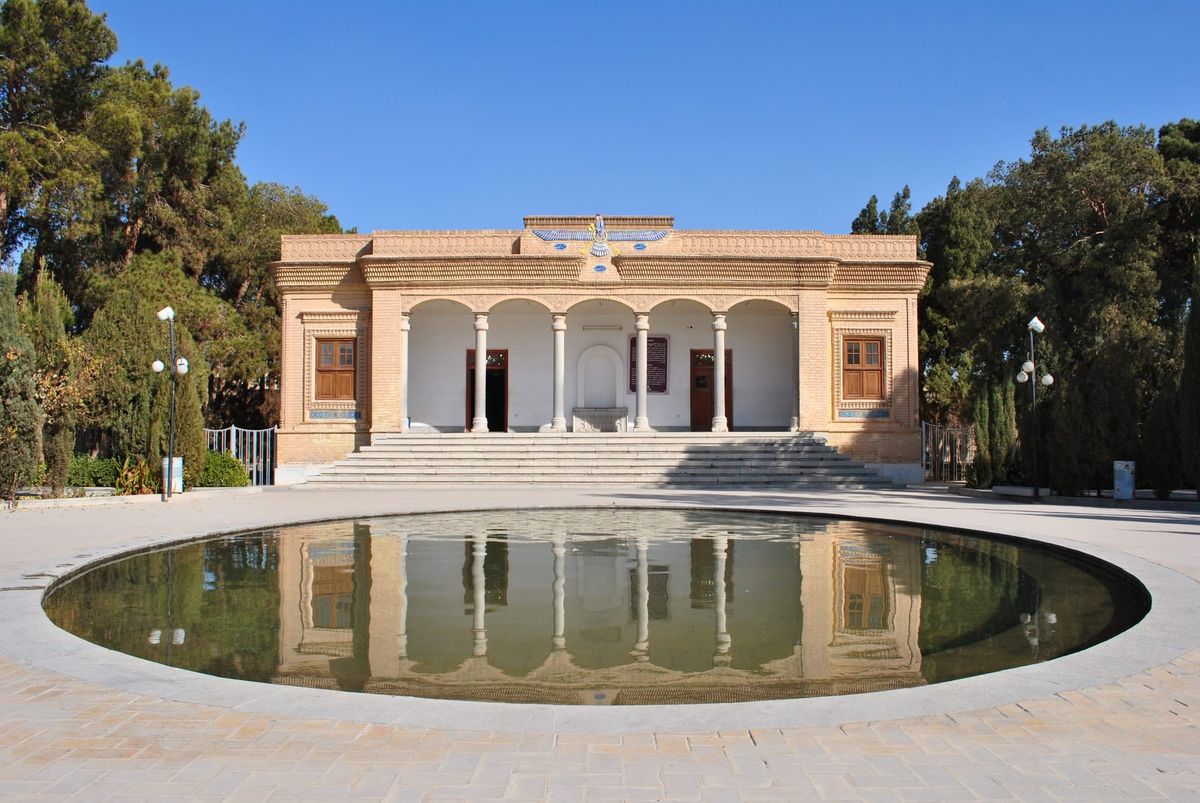
Known for their distinctive religious practices, entrepreneurial acumen, philanthropy, and contributions to India's development, the Parsi community represents one of the world's most remarkable examples of a cultural minority.

Saurashtrians
What makes the Saurashtrian community particularly fascinating is their journey from Gujarat to southern India, their preservation of language and traditions in new environments, and their significant contributions to textile arts, particularly silk weaving.

Jainism
Jainism represents one of humanity's most distinctive spiritual traditions, with its radical emphasis on non-violence, ethical living, and philosophical pluralism. Jain's impact on Indian civilization and environmental ethics, vegetarianism, and pluralism has been profound.

Sikhism
Sikhism, though relatively young compared to other major world religions, has developed a rich theological tradition, distinctive cultural practices, and a global presence. Founded on principles of equality, service, and devotion, Sikhism continues to evolve while maintaining its core values.

Christianity in India
Christianity in India, despite being a minority faith, has contributed significantly to the nation's development, particularly through educational and healthcare institutions. The diverse denominational landscape reflects both ancient indigenous traditions and more recent missionary influences.

Indian Religions
India, the birthplace of several major world religions and a vibrant melting pot of faiths, presents a unique spectacle of devotion. The multitude of religions coexisting in India, with their diverse practices and traditions, creates a unique and often awe-inspiring cultural landscape

Indian Culture
India's cultural landscape defies simple categorization, representing instead a complex, living tapestry of traditions that have evolved over millennia. What makes Indian culture particularly remarkable is not just its diversity but its underlying unity.