

Chennai's future trajectory balances economic growth with cultural preservation, as it continues to serve as South India's gateway while maintaining its distinctive Tamil character and traditions. The city's resilience, demonstrated adaptation to economic changes.
The Gateway to South India
Chennai, formerly known as Madras, stands as the capital city of Tamil Nadu and serves as the cultural, economic, and educational hub of South India. Founded in 1639 when the British East India Company established a trading post, it has grown into a major urban center blending traditional Tamil culture with modern cosmopolitan influences.
Demographics & Population
Home to approximately 11 million people in its metropolitan area, Chennai is India's fourth-largest urban agglomeration. The population is predominantly Tamil, though the city hosts communities from across India and abroad, creating a diverse yet distinctly South Indian character.
Social Composition
Chennai's social fabric includes:
Majority Tamil-speaking Hindu population
Significant Muslim and Christian minorities
Notable Telugu, Malayalam, and North Indian communities
Growing international expatriate population
Traditional caste structures that, while legally abolished, continue to influence social dynamics in subtle ways
The city demonstrates a unique blend of conservatism and progressivism, with traditional values coexisting alongside forward-thinking outlooks, particularly in education and technology sectors.
Infrastructure & Transportation
Waterways
Chennai's eastern boundary is defined by the Bay of Bengal coastline, which stretches over 25 kilometers. The city is crossed by three major waterways:
Cooum River
Adyar River
Buckingham Canal
While historically significant, these waterways have faced challenges from pollution and encroachment, though restoration efforts are ongoing.
Airports
Chennai International Airport (MAA) serves as South India's primary international gateway and ranks as the country's fourth-busiest airport. The integrated domestic and international terminals handle over 22 million passengers annually. A major expansion project is underway to increase capacity to 40 million passengers per year, including construction of a new terminal building.
Railways
Chennai hosts one of India's most extensive urban rail networks:
Chennai Central (Dr. M.G. Ramachandran Central Railway Station): A historic terminal handling long-distance trains connecting to major cities across India
Chennai Egmore: Secondary terminal focusing on connections to southern districts
Multiple additional stations including Tambaram, Perambur, and Basin Bridge
The city serves as the headquarters of the Southern Railway zone of Indian Railways.
Suburban Rail Network
The Chennai Suburban Railway, one of India's oldest, operates on four main routes:
North Line (Chennai Central to Sulurpeta/Gummidipoondi)
West Line (Chennai Central to Arakkonam)
South Line (Chennai Beach to Chengalpattu/Kanchipuram)
MRTS Line (Chennai Beach to Velachery)
This network carries over 1.5 million passengers daily and remains vital to the city's commuter infrastructure.
Metro System
Chennai Metro Rail, operational since 2015, consists of:
Blue Line from Washermenpet to Chennai International Airport
Green Line from Chennai Central to St. Thomas Mount
The system is undergoing significant expansion with Phase II adding three more corridors spanning 118.9 kilometers, making it one of the largest metro projects currently under construction in India.
Road Network and Transportation
Road infrastructure includes:
Anna Salai (Mount Road): Historic primary artery
East Coast Road (ECR): Scenic coastal highway
Grand Southern Trunk Road (NH45)
Inner Ring Road and Outer Ring Road
Extensive city bus network operated by Metropolitan Transport Corporation (MTC)
Auto-rickshaws and ride-hailing services
Share autos operating on fixed routes
Long-Distance Bus Services
The Tamil Nadu State Transport Corporation (TNSTC) and State Express Transport Corporation (SETC) operate extensive bus services from:
Chennai Mofussil Bus Terminus (CMBT) in Koyambedu: One of Asia's largest bus terminals
T. Nagar Bus Terminus
Broadway Bus Stand
Multiple private operators offering luxury services to destinations throughout South India
Seaports
Chennai Port, one of India's oldest artificial harbors, handles:
Container shipping
Automobile exports
Cruise vessels
General cargo
Nearby Ennore Port (Kamarajar Port) specializes in coal and petroleum products. These facilities make Chennai a crucial maritime hub for eastern trade.
Urban Management & Development
City Administration
The Greater Chennai Corporation (GCC), established in 1688, is India's oldest municipal corporation. It administers 15 zones divided into 200 wards. The Chennai Metropolitan Development Authority (CMDA) oversees planning for the larger metropolitan region.
Water Supply & Resources
Chennai faces significant water management challenges:
Primary dependence on monsoon rains for reservoir replenishment
Desalination plants at Nemmeli and Minjur supplementing municipal supply
Groundwater extraction regulated but still significant
Periodic water scarcity during drought years
The city relies mainly on four reservoirs: Poondi, Cholavaram, Red Hills, and Chembarambakkam, along with water from the Krishna River via the Telugu Ganga Project.
Environmental Challenges
Chennai's coastal location presents unique challenges:
Vulnerability to cyclones and storm surges
Annual flooding in low-lying areas like Velachery, T. Nagar, and parts of North Chennai
Coastal erosion affecting shoreline communities
Encroachment on wetlands and water bodies exacerbating flood risks
Urban heat island effect increasing summer temperatures
The 2015 floods demonstrated the city's vulnerability to extreme weather events, prompting enhanced disaster management protocols.
Waste Management
The city generates approximately 5,000 tons of solid waste daily. Management systems include:
Door-to-door collection in most neighborhoods
Waste processing facilities at Kodungaiyur and Perungudi
Increasing focus on segregation at source
Emerging initiatives for recycling and waste-to-energy projects
Economy & Business Landscape
Information Technology Sector
The IT corridor along Old Mahabalipuram Road (OMR), nicknamed "Chennai's Silicon Valley," hosts:
TIDEL Park, one of India's largest IT parks
Multinational technology corporations
Business process outsourcing centers
Software development companies
Major IT special economic zones are also located in Siruseri, Sholinganallur, and Porur, collectively employing hundreds of thousands of professionals.
Manufacturing
Chennai is often called the "Detroit of India" due to its substantial automotive sector:
Major manufacturing facilities for Ford, Hyundai, Renault-Nissan, BMW, and Daimler
Extensive auto component manufacturing ecosystem
Heavy engineering industries including railway coach manufacturing
Electronics manufacturing growing rapidly
Healthcare Industry
The city has emerged as a prominent medical tourism destination with:
Apollo Hospitals flagship facility
Specialized treatment centers
Medical education institutions
Pharmaceutical research facilities
Traditional Industries
Legacy sectors continue to contribute significantly:
Textile manufacturing and trade
Leather processing and export
Handloom production
Maritime commerce and shipping services
Markets & Commerce
Chennai's commercial landscape includes both traditional and modern retail:
T. Nagar, one of India's largest shopping districts, famous for silk and jewelry
Georgetown (Parry's Corner) for wholesale trade
Ritchie Street electronics market
Koyambedu Wholesale Market Complex: One of Asia's largest perishable goods markets
Kasimedu Fishing Harbour supplying the city's substantial seafood demand
Culture & Lifestyle
Cuisine & Food Culture
Chennai's culinary scene reflects its cultural heritage:
Traditional Tamil vegetarian cuisine featuring idli, dosa, vada, and sambar
Chettinad specialties known for distinctive spice profiles
Seafood dishes along the coastal areas
The famous "Chennai Filter Coffee" with its unique brewing and serving style
Distinctive street foods like sundal, bajji, and kothu parotta
Famous local specialties include:
Mylapore Jannal Kadai's bajji
Rayar's Mess for traditional breakfast
Murugan Idli Shop's soft idlis
Ratna Cafe's sambar
Saravana Bhavan's comprehensive South Indian thali
Accommodation
The hospitality sector spans:
Luxury beachfront hotels in areas like MRC Nagar
Business hotels concentrated in Central Chennai and the IT Corridor
Heritage properties and boutique hotels
Budget accommodations near transportation hubs
Service apartments catering to long-term business travelers
Religious Sites & Practices
Chennai's religious landscape is dominated by Hinduism but embraces diversity:
Kapaleeshwarar Temple in Mylapore, a Dravidian architectural masterpiece
San Thome Basilica, built over the tomb of St. Thomas the Apostle
Thousand Lights Mosque serving the substantial Muslim community
Armenian Church reflecting the city's historic connections
Various Jain temples, Sikh gurdwaras, and Buddhist viharas
Religious festivals transform the city throughout the year, with elaborate temple car processions (ther thiruvizha) and music festivals associated with major celebrations.
Entertainment & Arts
As the capital of Tamil culture, Chennai offers rich artistic traditions:
Madras Music Season (December-January): The world's largest carnatic music festival
Bharatanatyam dance performances at various sabhas (cultural centers)
Kalakshetra Foundation preserving classical arts
Contemporary theater and performance spaces
Museum Theatre and Music Academy hosting major cultural events
Film Industry
Kollywood, the Tamil film industry based in Chennai, produces hundreds of films annually:
Kodambakkam area serving as the traditional film production hub
Modern production facilities in Chennai Film City
AVM Studios, one of the oldest film studios in India
Robust ecosystem of post-production facilities
Major film institutions including the MGR Film Institute
The industry generates significant employment and influences fashion, music, and popular culture throughout Tamil Nadu.
Shopping & Retail
Retail options range from traditional bazaars to modern malls:
Phoenix Marketcity and VR Chennai representing high-end retail
Express Avenue and Forum Vijaya Mall offering mid-range shopping experiences
Pondy Bazaar and Ranganathan Street for traditional street shopping
Silks and jewelry in T. Nagar's Usman Road
Handicrafts and traditional items at Poompuhar and government emporiums
Festivals & Celebrations
Chennai's festival calendar includes:
Pongal, the four-day harvest festival in January
Float Festival at Madurai Meenakshi Temple
Chennai Music Festival (Margazhi Festival)
Tamil New Year celebrations
Navarathri with elaborate golu displays
Christmas celebrations, especially in areas like San Thome
Chennai Book Fair, attracting publishers and readers from across India
Education
The city serves as a major educational center:
Indian Institute of Technology Madras (IIT-M)
Anna University and its affiliated engineering colleges
University of Madras, one of India's oldest institutions
Loyola College and other prestigious liberal arts institutions
Specialized institutions like Madras Medical College and Government College of Fine Arts
Urban Challenges & Future Outlook
Chennai faces several urban challenges:
Water security and management in the face of climate change
Traffic congestion requiring continued investment in public transportation
Housing affordability issues in central districts
Coastal vulnerability requiring adaptation strategies
Balancing development with environmental sustainability
However, significant development initiatives are reshaping the city:
Smart City projects implementing technology solutions for urban management
Cooum River restoration efforts improving urban waterways
Expanded metro network enhancing mobility
Coastal Regulation Zone implementation protecting vulnerable shorelines
Development of satellite townships reducing pressure on the urban core
Chennai's future trajectory balances economic growth with cultural preservation, as it continues to serve as South India's gateway while maintaining its distinctive Tamil character and traditions. The city's resilience, demonstrated through recovery from natural disasters and adaptation to economic changes, remains one of its defining characteristics as it moves forward in the 21st century.
More in chennai

Chennai International Airport
Chennai International Airport is a testament to South India's growing importance in the global aviation landscape. With its strategic location, modern infrastructure, excellent connectivity & comprehensive facilities, the airport continues to serve as a vital gateway.
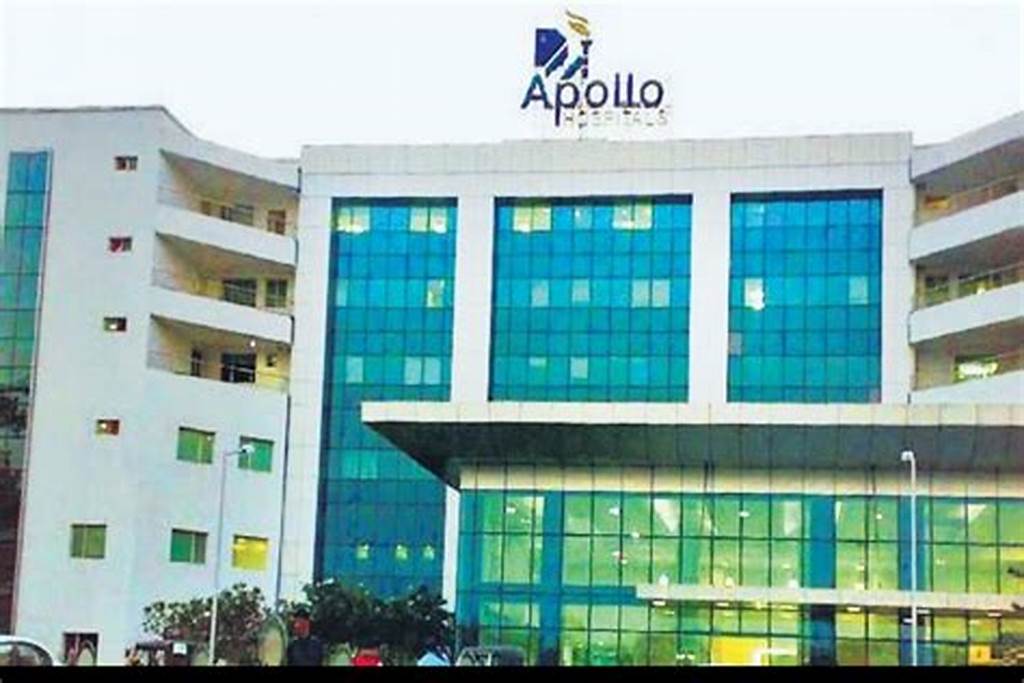
Chennai Hospitals
Chennai's healthcare system with major hospitals, exemplifies both the progress and challenges of Indian healthcare. With global standards in clinical excellence and technological adoption, the city continues to address fundamental questions of access, affordability, and equitable distribution.
More in tamilnadu

Tamil Nadu India
Tamil Nadu is a state of many dimensions — spiritual yet progressive, historic yet futuristic. From ancient temples and classical arts to modern engineering hubs and vibrant cities, Tamil Nadu reflects the essence of a thriving civilization rooted in tradition yet eager to shape the future.