

Chhattisgarh, with its rich cultural heritage, abundant natural resources, and growing infrastructure, continues to develop as a significant state in India's central region.
📘 Wikipedia Overview
Wikipedia Title : Chhattisgarh
Excerpt : Chhattisgarh is a landlocked state in Central India. It is the ninth largest state by area, and with a population of roughly 30 million, the seventeenth most populous. It borders seven states – Uttar Pradesh to the north, Madhya Pradesh to the northwest, Maharashtra to the southwest, Jharkhand to the northeast, Odisha to the east, Andhra Pradesh and Telangana to the south. Formerly a part of Madhya Pradesh, it was granted statehood on 1 November 2000 with Raipur as the designated state capital. ( Wikipedia )
🏞️ Geography
Chhattisgarh spans approximately 135,192 square kilometers, characterized by diverse landscapes including the fertile plains of the Mahanadi River, dense forests covering about 40% of the state, and the hilly terrains of the Bastar region. The state is rich in mineral resources, particularly coal and iron ore, contributing significantly to its industrial development.
🏛️ History
Historically known as Dakshin Kosala, Chhattisgarh has been part of various empires such as the Maurya, Satavahana, and Kalachuri dynasties. The region has a rich tribal heritage, with numerous archaeological sites and ancient temples. It was part of Madhya Pradesh until it attained statehood on November 1, 2000.( Wikipedia )
🧑🤝🧑 People & Ethnicity
The state has a diverse population comprising various tribal communities, including Gonds, Oraons, and Baigas, who have preserved their distinct cultures and traditions. The official language is Hindi, but Chhattisgarhi is widely spoken. Other languages include Gondi, Halbi, and Kurukh.( Wikipedia, la enciclopedia libre )
🕌 Culture & Festivals
Chhattisgarh boasts a vibrant cultural scene with folk dances like Panthi, Raut Nacha, and Soowa. Festivals such as Bastar Dussehra, celebrated over 75 days, and Madai Mela are integral to the state's cultural identity. The region is also known for its handicrafts, including bell metal (Dhokra) art and terracotta works.
🏙️ Major Cities
Raipur : The capital city, serving as the administrative and industrial hub.
Bilaspur : Known for its educational institutions and as a commercial center.
Durg : An important industrial city with a strong steel industry presence.
Bhilai : Home to the Bhilai Steel Plant, one of India's largest.
Korba : A major power generation center with several thermal power plants.
🛕 Temples & Palaces
Chhattisgarh is home to numerous ancient temples and palaces, including:
Bhoramdeo Temple : Often referred to as the 'Khajuraho of Chhattisgarh' due to its intricate erotic sculptures.
Rajim Group of Temples : A significant pilgrimage site known for its ancient temples dedicated to Lord Vishnu.
Kawardha Palace : A heritage palace showcasing colonial architecture.
🍛 Cuisine
The state's cuisine is predominantly vegetarian, with rice as the staple. Popular dishes include:
Chana Samosa : A spicy snack filled with chickpeas.
Faraa : Steamed rice dumplings.
Bara : Lentil-based fritters.
Thethri and Khurmi : Traditional snacks made during festivals.( Wikipedia )
🏥 Healthcare
Chhattisgarh has been working to improve its healthcare infrastructure, especially in rural and tribal areas. The state has implemented various health schemes and established primary health centers to provide accessible medical services.
🏭 Industries & Economy
The state's economy is primarily driven by:
Mining : Rich in minerals like coal, iron ore, and bauxite.
Steel Production : Home to major steel plants, including the Bhilai Steel Plant.
Power Generation : Significant contributor to India's electricity supply through thermal and hydroelectric plants.
Agriculture : Cultivation of rice, maize, and pulses.
Textiles : Traditional weaving and handloom industries.
🛣️ Transportation
Roads : A network of national and state highways connects major cities and towns.
Railways : Extensive rail connectivity with major junctions in Raipur, Bilaspur, and Durg.
Airports : Swami Vivekananda Airport in Raipur is the primary airport, offering flights to major Indian cities.
🎓 Education
Chhattisgarh has several educational institutions, including:
Indian Institute of Technology (IIT) Bhilai : A premier engineering institute.( fr.wikipedia.org )
National Institute of Technology (NIT) Raipur : Offers various engineering and technology programs.
Guru Ghasidas Vishwavidyalaya : A central university located in Bilaspur.
🌉 Infrastructure & Dams
The state has developed several infrastructure projects, including:
Hasdeo Bango Dam : A significant hydroelectric project.
Gangrel Dam : Provides irrigation and drinking water.
Bridges and road networks are continually being developed to enhance connectivity.
🐟 Fishing & Cattle Farming
Fishing is practiced in the state's numerous rivers and reservoirs, contributing to local livelihoods. Cattle farming is also prevalent, supporting the dairy industry and providing employment in rural areas.
🧘 Tourism & Adventure
Chhattisgarh offers diverse tourism opportunities:
Wildlife Sanctuaries : Such as Barnawapara and Udanti.( Wikipedia )
Waterfalls : Chitrakote and Tirathgarh waterfalls are major attractions.
Caves : Kotumsar and Kailash caves in the Bastar region.
Tribal Tourism : Exploring the rich tribal heritage and culture.
🏛️ Government & Politics
Chhattisgarh has a unicameral legislature with 90 seats. The state has seen governance by major national parties, including the Bharatiya Janata Party (BJP) and the Indian National Congress (INC). The current Chief Minister is Vishnu Deo Sai.( fr.wikipedia.org )
Chhattisgarh, with its rich cultural heritage, abundant natural resources, and growing infrastructure, continues to develop as a significant state in India's central region.
More in india
Indian Economy
The Indian economy presents a complex picture of impressive achievements alongside persistent challenges. Its strengths include a large, youthful population; a vibrant entrepreneurial ecosystem; strong service sectors; and accelerating digital adoption.

Nuclear Bomb - What if?
Nuclear weapons are stored and maintained under extremely rigorous security and safety protocols. The most effective protection remains prevention of nuclear conflict through international diplomacy, arms control agreements, and crisis management mechanisms.

Indian Entertainment
When one thinks of Indian entertainment on a global scale, Bollywood immediately springs to mind. Based primarily in Mumbai, the Hindi film industry is a behemoth, producing a vast number of films annually, often characterized by their vibrant musical numbers

Indian Industry
India's economy has evolved into a multifaceted system encompassing traditional sectors like agriculture and textiles, as well as cutting-edge industries such as pharmaceuticals, information technology, and renewable energy.

Indian Cities
From the bustling metropolises that pulse with economic energy to the ancient centers steeped in history and culture, India's cities are the vibrant heartbeats of this diverse nation. These urban landscapes are dynamic microcosm.

Latest News
The political landscape is currently abuzz with discussions surrounding upcoming state elections in several regions. Parties are actively campaigning, focusing on issues ranging from economic development and job creation to social welfare programs.

Union Territories of India
Union territories are federal territories governed directly by the Central Government of India. Some UTs have their own legislatures and elected governments, while others are administered by appointed administrators or lieutenant governors.
Indian States
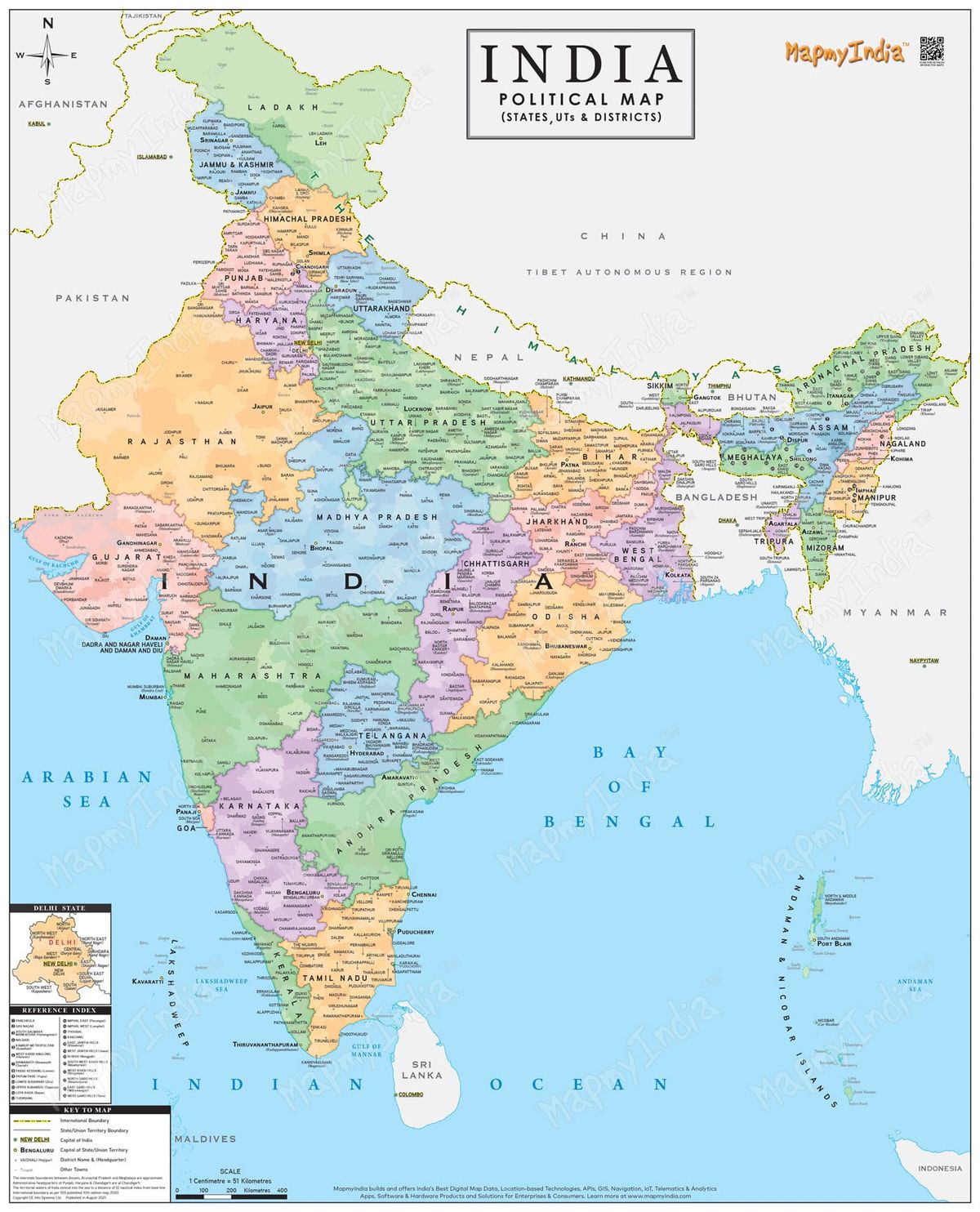
India comprises 28 states and 8 union territories, each with unique geographical features, economic strengths, cultural heritage, and governance structures. Each of these administrative divisions contributes uniquely to the nation's vibrant mosaic.
More in news

Ayurveda
Discover the ancient wisdom of Ayurveda from the heart of Kerala with AyurKerala—a comprehensive resource for personalized wellness rooted in tradition. This platform offers in-depth guidance on Ayurvedic philosophy, dosha analysis, dietary and lifestyle recommendations, herbal remedies,

Chandigarh India
The history of the area around Chandigarh dates back to the Indus Valley Civilization. Archaeological findings have revealed settlements in the region dating back thousands of years. However, the modern city of Chandigarh is a relatively recent creation.

Lakshadweep India
Lakshadweep is shrouded in mystery, with limited archaeological evidence. Local legends attribute the first settlement to the period of Cheraman Perumal, the last ruler of the Chera dynasty of Kerala.

Delhi India
Delhi's history spans several millennia, with evidence of continuous habitation from at least the 6th century BCE. It has served as the capital of numerous empires and kingdoms, each leaving its indelible mark on the city's landscape and culture.

Puducherry
Puducherry's history can be traced back to ancient times, with archaeological evidence suggesting Roman trade links in the vicinity. However, its documented history begins with the arrival of European traders. The Portuguese were the first to establish a factory in Puducherry in the 16th century.

Ladakh India
adakh's history is deeply intertwined with Tibetan culture and Buddhism. Archaeological evidence suggests settlements dating back to the Bronze Age. By the 1st century CE, Ladakh was part of the Kushan Empire. In the following centuries, it came under the influence of various Tibetan kingdoms.

Jammu and Kashmir India
The culture of Jammu and Kashmir is a vibrant blend of Hindu, Muslim, Sikh, and Buddhist traditions, reflecting the region's diverse history and geography. Distinct cultural identities are found in the Jammu, Kashmir Valley, and Ladakh regions.