

Dadra and Nagar Haveli: Unlike the surrounding areas, Dadra and Nagar Haveli was under Portuguese rule from 1783 until the mid-20th century.
A Union of Coastal and Inland Charms
Wikipedia Link: https://en.wikipedia.org/wiki/Dadra_and_Nagar_Haveli_and_Daman_and_Diu
Wikipedia Excerpt: "Dadra and Nagar Haveli and Daman and Diu is a union territory in western India. It was created on 26 January 2020 by merging the former union territories of Dadra and Nagar Haveli and Daman and Diu."
History
The history of these regions is distinct before their merger.
Dadra and Nagar Haveli: Unlike the surrounding areas, Dadra and Nagar Haveli was under Portuguese rule from 1783 until the mid-20th century. Following India's independence, local administrations took over, and after a prolonged struggle for liberation led by volunteers, the territory was freed from Portuguese rule in 1954. It was administered by a local body called the Varishta Panchayat until 1961, when it officially became a union territory of India.
Daman and Diu: Daman and Diu were also under Portuguese colonial rule for over four centuries. 4 Diu was occupied by the Portuguese in 1535, and Daman in 1559. These coastal enclaves remained under Portuguese control even after India's independence. They were liberated by the Indian government in December 1961 and became part of the union territory of Goa, Daman and Diu. When Goa became a state in 1987, Daman and Diu continued as a separate union territory. 5
Merger: In December 2019, the Parliament of India passed legislation to merge the two union territories of Dadra and Nagar Haveli and Daman and Diu into a single union territory, which came into effect on January 26, 2020. 6 This merger aimed to improve administrative efficiency and streamline governance.
Culture
The merged union territory exhibits a diverse cultural landscape influenced by its tribal heritage, Portuguese colonial past in Daman and Diu, and proximity to Gujarat and Maharashtra. 8
Dadra and Nagar Haveli: The region is predominantly tribal, and the culture is rich with the traditions of tribes like Varli, Dhodia, Kokna, and others. 9 Their unique customs, dances, music, and festivals form the core of the local culture. 10 Folk dances such as Tarpa dance (Varli tribe) and Gheraiya dance are vibrant expressions of their social life. 11
Daman and Diu: The Portuguese influence is significant, particularly in the architecture and some social customs. Christian festivals like Christmas are celebrated with enthusiasm alongside Hindu festivals. 12 Gujarati and Marathi cultural elements are also prominent due to the proximity to these states. Traditional folk dances like Mando (influenced by Portuguese music) are unique to this region.
Art and Architecture
The art and architecture of the union territory reflect its diverse cultural influences.
Dadra and Nagar Haveli: Traditional tribal art forms like the Warli paintings are distinctive, using simple geometric shapes to depict scenes from daily life and nature. 13 The architecture is primarily functional, with houses built using local materials.
Daman and Diu: The Portuguese colonial architecture is evident in the forts, churches, and some public buildings. 14 The forts of Daman (Moti Daman and Nani Daman) are significant structures showcasing European military architecture. 15 Churches like the Se Cathedral in Diu and the Bom Jesus Church in Daman are historical landmarks. 16 The architecture often features elements like arched gateways, intricate carvings, and use of laterite stone.
Major Cities
The prominent urban centers in the union territory are:
Silvassa (Dadra and Nagar Haveli): It serves as the capital of the merged union territory and is the largest town. As per the 2011 census (for Dadra and Nagar Haveli), its population was around 38,773.
Daman: A coastal town and a former capital of the erstwhile Daman and Diu. 17 It has historical significance and is a commercial center. As per the 2011 census (for Daman), its population was around 44,282. 18
Diu: An island town with historical importance and tourism potential. 19 As per the 2011 census (for Diu), its population was around 52,074. 20
Temples and Palaces
The union territory has a mix of temples and historical structures, though not grand palaces in the traditional sense.
Dadra and Nagar Haveli: Several temples dedicated to Hindu deities are present, reflecting the religious beliefs of the tribal and other communities. 21
Daman and Diu: Besides the prominent churches, there are also Hindu temples. 22 Diu, with its historical connections, has some old temples. 23 The forts in Daman and Diu, while primarily military structures, hold historical significance and showcase the architectural styles of the Portuguese era. 24
Geography
The union territory comprises two distinct geographical areas:
Dadra and Nagar Haveli: An inland territory situated in the western part of India, nestled between Maharashtra and Gujarat. It is characterized by hilly terrain, forests, and the Damanganga River flowing through it. 25
Daman and Diu: Two coastal enclaves. Daman is situated on the coast of Gujarat, separated by the Damanganga River. Diu is an island off the coast of Gujarat in the Arabian Sea. 26 Both Daman and Diu have coastal plains and beaches. 27
The climate across the union territory is generally tropical, with hot summers, a monsoon season bringing substantial rainfall, and mild winters. 28
People and Ethnicity
The population of the merged union territory (as per the 2011 census for the former entities) is diverse.
Dadra and Nagar Haveli: The majority of the population consists of various tribal communities, including Varli, Dhodia, Kokna, Kolgha, and Bhil. 29 There is also a significant population of people who have migrated from other parts of India. 30
Daman and Diu: The population is a mix of people with Gujarati and Marathi roots, along with the descendants of the Portuguese and those who migrated after its liberation. There is also a Christian community with a historical presence.
Cuisine
The cuisine of the union territory is influenced by the local tribal traditions and the neighboring states of Gujarat and Maharashtra, with a touch of Portuguese influence in Daman and Diu.
Dadra and Nagar Haveli: Tribal cuisine often features locally available ingredients like forest produce, millets, rice, lentils, and vegetables. 31 Traditional cooking methods are employed.
Daman and Diu: Seafood is a staple, with dishes featuring fish, prawns, and crabs prepared in various styles. 32 Gujarati and Maharashtrian dishes are also popular. 33 In Daman and Diu, some dishes may have a subtle Portuguese influence.
Healthcare
The healthcare infrastructure in the union territory includes government hospitals, primary health centers, and private clinics. Efforts are ongoing to improve healthcare access, particularly in the tribal regions of Dadra and Nagar Haveli. 34 Major hospitals are located in Silvassa and the main towns of Daman and Diu. 35
Religions
Hinduism is the majority religion across the union territory. 36 Islam and Christianity also have a presence.
Dadra and Nagar Haveli: The tribal communities have their own distinct religious beliefs and practices, often centered around nature worship and local deities.
Daman and Diu: Besides Hinduism, there is a significant Christian population due to the Portuguese colonial legacy, with several old churches being important religious sites. 37
Tourism
Tourism is an important sector in the union territory, attracting visitors with its beaches, historical sites, natural beauty, and cultural diversity. 38
Dadra and Nagar Haveli: Key attractions include Dudhani (for water sports), Swaminarayan Temple, Tribal Cultural Museum, and the lush green landscapes.
Daman and Diu: Popular tourist spots include the forts of Moti Daman and Nani Daman, Jampore Beach, Devka Beach, Ghogla Beach (Diu), Naida Caves (Diu), and the churches.
Waterways
Daman and Diu, being coastal regions, have waterways associated with the Arabian Sea. 41 Fishing boats and small ferries operate along the coast and around Diu island. 42 Dadra and Nagar Haveli has the Damanganga River, which is primarily used for irrigation and water supply, with limited recreational boating in some areas like Dudhani. 43
Politics and Government
The union territory is administered by an Administrator appointed by the President of India. The headquarters of the administration is in Silvassa. The union territory sends two members to the Lok Sabha (lower house of the Indian Parliament). Local governance is carried out through municipalities and panchayats.
Transportation
The union territory has a developing transportation network.
Roads
Roads are the primary mode of transport, connecting the towns, villages, and tourist spots. National Highways and state highways pass through the territory.
Airports
There are no major commercial airports within the union territory. The nearest airports with regular flights are in Surat (Gujarat) for Daman and Silvassa, and Diu Airport for Diu.
Rail Services
The railway network is limited. Vapi (Gujarat) is the nearest major railway station for Daman and Silvassa, providing connections to other parts of India. Diu has a railway station, but its connectivity is not extensive.
Major Train Stations
The most relevant major train station for accessing the union territory is Vapi (VAPI) in Gujarat, which serves Daman and Silvassa. Diu (DIU) is a station on a smaller network.
Bridges
Bridges span the Damanganga River in Daman and Dadra and Nagar Haveli, facilitating connectivity. Bridges also connect the mainland to Diu island.
Pilgrimages
The union territory has various religious sites that attract local pilgrims. Temples in Dadra and Nagar Haveli and churches and temples in Daman and Diu are visited by devotees.
IT Industry
The IT industry in the union territory is in a nascent stage. There are some small-scale IT service providers, but it is not a major economic sector.
Colleges and Universities
The union territory has a few colleges offering general education and vocational courses. There are no universities located within the territory itself; colleges are often affiliated with universities in neighboring states.
Education System
The education system follows the national pattern. The administration runs schools in the union territory.
Dams
The union territory has a few small dams and reservoirs, primarily for irrigation and water supply, especially on the Damanganga River in Dadra and Nagar Haveli.
Fishing
Fishing is an important economic activity in Daman and Diu due to their coastal location. A variety of fish and seafood are caught.
Cattle Farming
Cattle farming is practiced in the rural areas, mainly for milk production and agricultural purposes.
Agriculture
Agriculture is practiced in parts of the union territory, with rice, sugarcane, and fruits being some of the main crops.
Industries
The industrial sector includes small and medium-scale units, particularly in Dadra and Nagar Haveli, with a focus on textiles, chemicals, plastics, and engineering goods. Daman and Diu have industries related to fishing and tourism.
Food Industry
The food processing industry is developing, primarily focusing on processing agricultural produce and seafood.
Milk Industry
The milk industry is small-scale, catering mainly to local consumption.
Textile Industry
Textiles are a significant industry in Dadra and Nagar Haveli, with numerous manufacturing units. Daman and Diu also have some textile-related activities.
More in india
Indian Economy
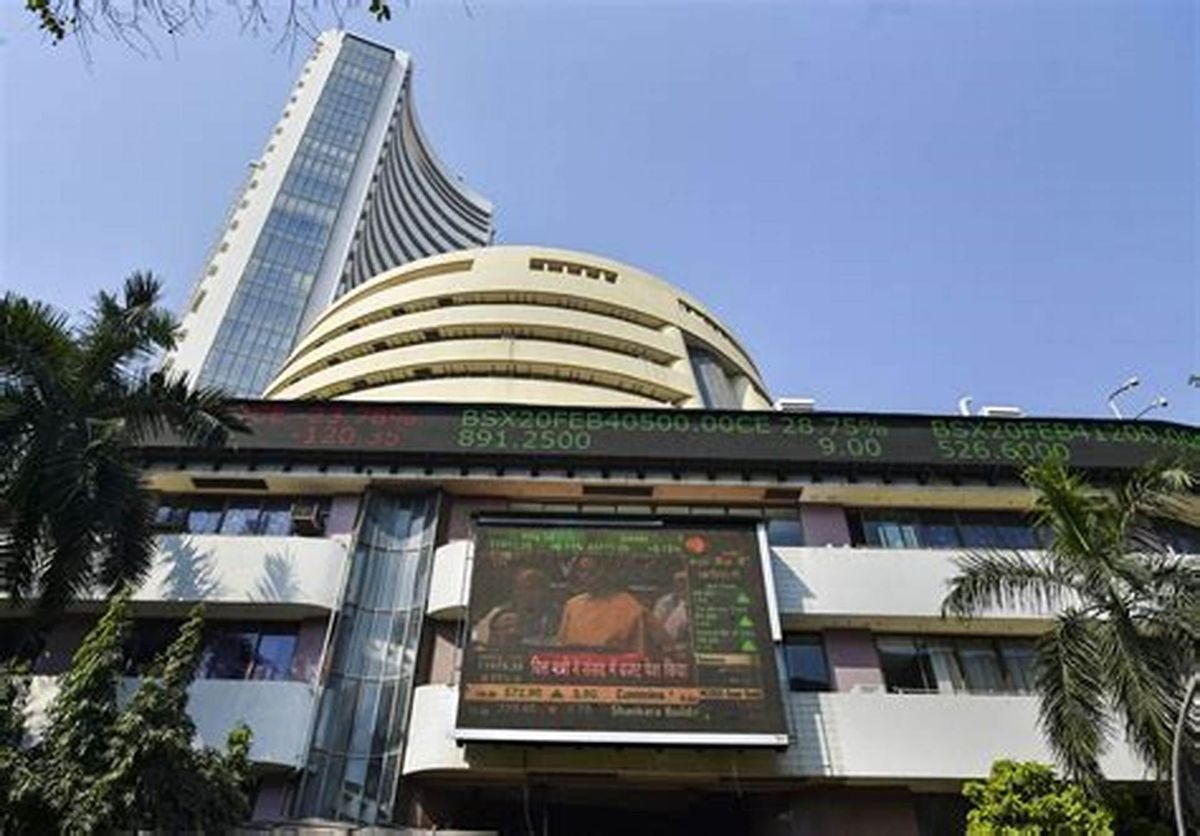
The Indian economy presents a complex picture of impressive achievements alongside persistent challenges. Its strengths include a large, youthful population; a vibrant entrepreneurial ecosystem; strong service sectors; and accelerating digital adoption.

Nuclear Bomb - What if?
Nuclear weapons are stored and maintained under extremely rigorous security and safety protocols. The most effective protection remains prevention of nuclear conflict through international diplomacy, arms control agreements, and crisis management mechanisms.

Indian Entertainment
When one thinks of Indian entertainment on a global scale, Bollywood immediately springs to mind. Based primarily in Mumbai, the Hindi film industry is a behemoth, producing a vast number of films annually, often characterized by their vibrant musical numbers

Indian Industry
India's economy has evolved into a multifaceted system encompassing traditional sectors like agriculture and textiles, as well as cutting-edge industries such as pharmaceuticals, information technology, and renewable energy.

Indian Cities
From the bustling metropolises that pulse with economic energy to the ancient centers steeped in history and culture, India's cities are the vibrant heartbeats of this diverse nation. These urban landscapes are dynamic microcosm.

Latest News
The political landscape is currently abuzz with discussions surrounding upcoming state elections in several regions. Parties are actively campaigning, focusing on issues ranging from economic development and job creation to social welfare programs.

Union Territories of India
Union territories are federal territories governed directly by the Central Government of India. Some UTs have their own legislatures and elected governments, while others are administered by appointed administrators or lieutenant governors.
Indian States
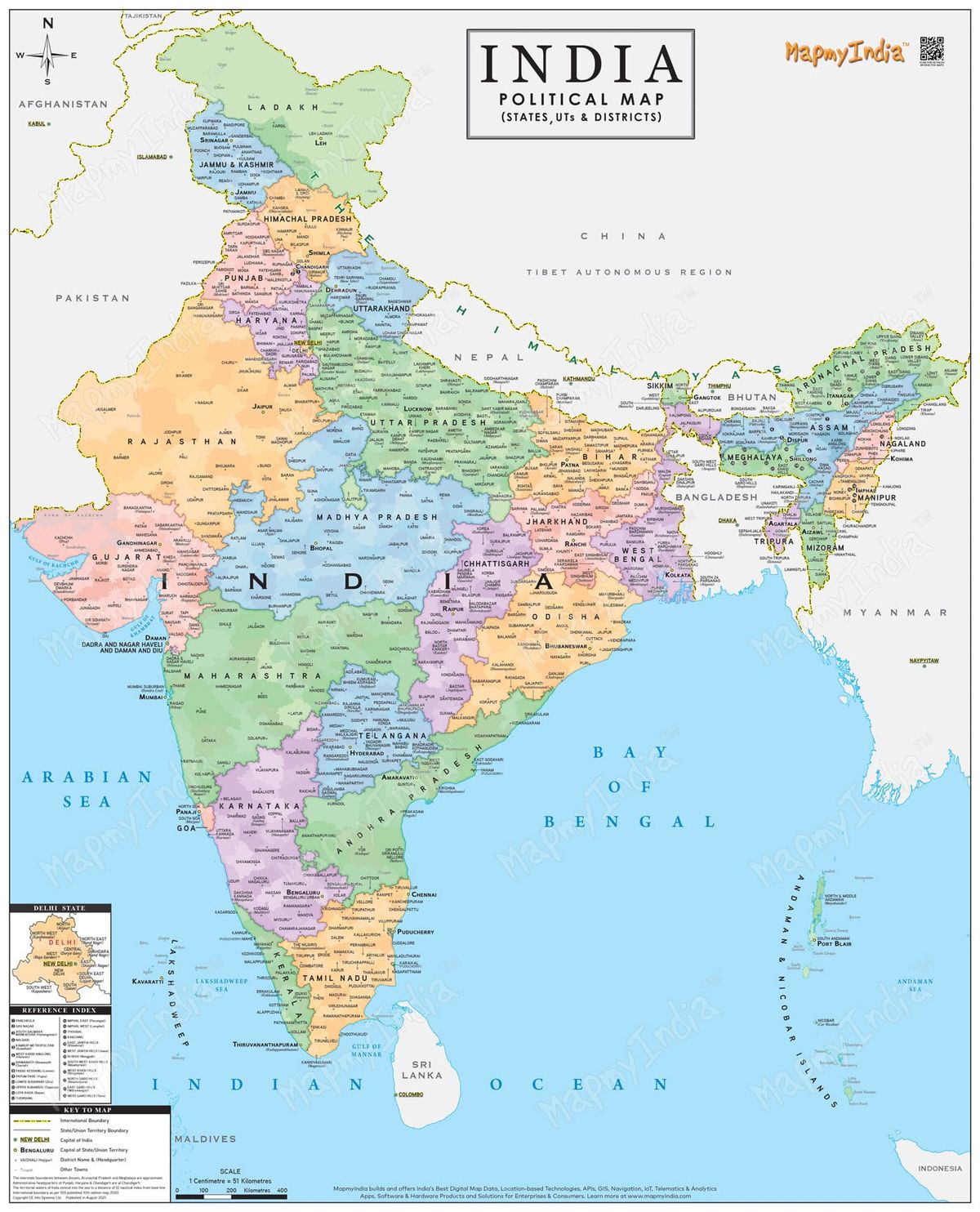
India comprises 28 states and 8 union territories, each with unique geographical features, economic strengths, cultural heritage, and governance structures. Each of these administrative divisions contributes uniquely to the nation's vibrant mosaic.
More in news

Ayurveda
Discover the ancient wisdom of Ayurveda from the heart of Kerala with AyurKerala—a comprehensive resource for personalized wellness rooted in tradition. This platform offers in-depth guidance on Ayurvedic philosophy, dosha analysis, dietary and lifestyle recommendations, herbal remedies,

Lakshadweep India
Lakshadweep is shrouded in mystery, with limited archaeological evidence. Local legends attribute the first settlement to the period of Cheraman Perumal, the last ruler of the Chera dynasty of Kerala.

Delhi India
Delhi's history spans several millennia, with evidence of continuous habitation from at least the 6th century BCE. It has served as the capital of numerous empires and kingdoms, each leaving its indelible mark on the city's landscape and culture.

Puducherry
Puducherry's history can be traced back to ancient times, with archaeological evidence suggesting Roman trade links in the vicinity. However, its documented history begins with the arrival of European traders. The Portuguese were the first to establish a factory in Puducherry in the 16th century.

Ladakh India
adakh's history is deeply intertwined with Tibetan culture and Buddhism. Archaeological evidence suggests settlements dating back to the Bronze Age. By the 1st century CE, Ladakh was part of the Kushan Empire. In the following centuries, it came under the influence of various Tibetan kingdoms.

Jammu and Kashmir India
The culture of Jammu and Kashmir is a vibrant blend of Hindu, Muslim, Sikh, and Buddhist traditions, reflecting the region's diverse history and geography. Distinct cultural identities are found in the Jammu, Kashmir Valley, and Ladakh regions.

Kerala India
Kerala is located on the southwestern Malabar Coast of India.37 It is a narrow strip of land bordered by the Arabian Sea to the west and the Western Ghats to the east.38 The state can be divided into three geographical zones: the coastal lowlands, the midlands, and the highlands (Western Ghats).