

Delhi's history spans several millennia, with evidence of continuous habitation from at least the 6th century BCE. It has served as the capital of numerous empires and kingdoms, each leaving its indelible mark on the city's landscape and culture.
A Metropolis of Millennia
Wikipedia Link: https://en.wikipedia.org/wiki/Delhi
Wikipedia Excerpt: "Delhi (/ˈdɛli/ (listen)), officially the National Capital Territory (NCT) of Delhi, is a city and a union territory of India containing New Delhi, the capital of India. Situated along the Yamuna river, Delhi is a large metropolitan region in northern India."
History
Delhi's history spans several millennia, with evidence of continuous habitation from at least the 6th century BCE. It has served as the capital of numerous empires and kingdoms, each leaving its indelible mark on the city's landscape and culture. Legend links its earliest settlement to Indraprastha, the capital of the Pandavas in the Mahabharata.
The historical significance of Delhi rose with the Delhi Sultanate, a series of Muslim dynasties that ruled from the 13th to the 16th centuries. Qutbuddin Aibak established the Delhi Sultanate in 1206, and subsequent dynasties like the Khaljis, Tughlaqs, Sayyids, and Lodis built magnificent structures that still stand today.
In the 16th century, the Mughal Empire established its capital in Delhi, and under rulers like Shah Jahan, the city reached its zenith with the construction of iconic landmarks like the Red Fort and Jama Masjid. The decline of the Mughal Empire in the 18th century led to invasions and a period of instability.
The British East India Company gradually gained control, and Delhi became the capital of British India in 1911. After India's independence in 1947, Delhi was declared the capital of the newly formed nation. It has since grown into a sprawling metropolis, absorbing surrounding towns and villages. In 1956, Delhi was designated a Union Territory, and in 1991, it was formally named the National Capital Territory (NCT) of Delhi with its own legislative assembly and government.
Culture
Delhi's culture is a vibrant mosaic, reflecting its long history as a melting pot of diverse influences. It seamlessly blends traditions from across India, shaped by the various empires and communities that have called it home.
The city is a hub for performing arts, with numerous venues hosting music concerts, dance performances (classical and contemporary), and theatrical productions in various languages. Urdu poetry and literature have a strong historical connection to Delhi. Qawwali music, a devotional form of Sufi singing, is also popular.
Festivals from all over India are celebrated with enthusiasm in Delhi. Diwali, Holi, Eid, Christmas, and Gurpurab are major festivals that bring together people from different religious backgrounds. The India International Trade Fair and the Delhi Book Fair are significant annual events.
Delhi's cultural landscape is also shaped by its numerous educational institutions, museums, and art galleries, fostering intellectual and artistic pursuits.
Art and Architecture
Delhi's architectural landscape is a captivating journey through time, showcasing styles from different eras. The Qutub Minar complex represents early Islamic architecture in India. The Tughlaqabad Fort and the Hauz Khas complex exemplify the more austere style of the Tughlaq dynasty.
Mughal architecture reached its pinnacle in Delhi with masterpieces like the Red Fort (Lal Qila), Jama Masjid, Humayun's Tomb, and Purana Qila. These structures are characterized by their grand scale, intricate marble inlay work, and of Persian, Islamic, and Indian styles.
The British colonial era left its mark with buildings like India Gate, Rashtrapati Bhavan, and Connaught Place, showcasing Indo-Saracenic and Art Deco influences.
Post-independence Delhi features modern architectural designs, including government buildings, commercial complexes, and residential areas. Contemporary art thrives in the city's numerous galleries. Traditional crafts like pottery, weaving, and jewelry making continue to be practiced.
Major Cities
Delhi itself is a large metropolitan region comprising two main parts: Old Delhi (the historic walled city) and New Delhi (planned by the British as the imperial capital). Over time, Delhi has expanded to include numerous urban agglomerations and satellite cities within the National Capital Region (NCR), such as:
Noida (Uttar Pradesh)
Gurugram (Haryana)
Faridabad (Haryana)
Ghaziabad (Uttar Pradesh)
However, within the administrative boundaries of the NCT of Delhi, the primary urban areas are Old Delhi and New Delhi, which have merged into a vast metropolis. The population of the NCT of Delhi was over 16.78 million as per the 2011 census, and it has grown significantly since then.
Temples and Palaces
Delhi is dotted with numerous temples and historical palaces, reflecting its long and varied history. Some prominent temples include:
Akshardham Temple: A sprawling complex dedicated to Swaminarayan, known for its intricate carvings and exhibitions.
Lotus Temple: A Baháʼí House of Worship known for its distinctive lotus-shaped architecture.
Birla Mandir (Lakshmi Narayan Temple): A significant Hindu temple dedicated to Lakshmi and Narayan.
Gurudwara Bangla Sahib: A prominent Sikh gurdwara known for its healing waters.
Cathedral Church of the Redemption: An Anglican cathedral designed by Henry Medd.
Historical palaces and forts include:
Red Fort (Lal Qila): A UNESCO World Heritage Site and the iconic Mughal fort.
Purana Qila (Old Fort): Believed to be built on the site of Indraprastha, with structures from different periods.
Humayun's Tomb: A UNESCO World Heritage Site and a precursor to the Taj Mahal.
Feroz Shah Kotla: The ruins of a 14th-century fortress built by Sultan Feroz Shah Tughlaq.
Geography
Delhi is situated on the banks of the Yamuna River in northern India. It lies on the Indo-Gangetic Plain and is characterized by a relatively flat terrain with some low hills and ridges, such as the Delhi Ridge, which is an extension of the Aravalli Range. The climate is humid subtropical, with hot summers, a monsoon season, and cool winters. Delhi experiences extreme temperatures, ranging from scorching heat in May and June to cold waves in December and January.
People and Ethnicity
Delhi is a highly diverse city, attracting migrants from all parts of India for economic and educational opportunities. As per the 2011 census, the population of Delhi was over 16.78 million. While there is no single dominant ethnic group, people from various linguistic and cultural backgrounds reside in the city. Significant communities include those with roots in Uttar Pradesh, Bihar, Punjab, Rajasthan, and West Bengal, among others. This migration contributes to the city's cosmopolitan character.
Cuisine
Delhi's cuisine is a delectable reflection of its multicultural population and historical influences. It ranges from the rich Mughlai dishes to spicy street food and regional Indian specialties.
Mughlai cuisine, with its aromatic biryanis, kebabs, and rich curries, has a strong presence. Popular dishes include butter chicken, biryani, nihari, and various types of kebabs.
Delhi is also famous for its street food, such as chaat (savory snacks), gol gappe (pani puri), aloo tikki , samosas , and chole bhature . Paranthas (stuffed flatbreads) from Chandni Chowk are legendary.
Being a melting pot, Delhi also offers a wide variety of regional Indian cuisines, from South Indian dosas and idlis to Bengali fish curry and Punjabi chole bhature.
Healthcare
Delhi has a well-developed healthcare infrastructure, comprising a network of government and private hospitals, clinics, and diagnostic centers. It serves not only the residents of Delhi but also a large number of patients from neighboring states. Major government hospitals include AIIMS (All India Institute of Medical Sciences), Safdarjung Hospital, and Lok Nayak Jai Prakash Narayan Hospital. Numerous private hospitals offer specialized medical care.
Religions
Delhi is a city where various religions coexist. Hinduism is the majority religion. Islam has a significant presence, with historical ties to the city's past rulers. Sikhism has a strong community, particularly after the partition of India. Christianity, Jainism, Buddhism, and other faiths also have followers in Delhi, contributing to its religious diversity. The city is home to numerous religious sites of different faiths, reflecting this pluralism.
Tourism
Tourism is a significant contributor to Delhi's economy,attracting both domestic and international visitors. Its rich history, architectural marvels, cultural attractions, and vibrant markets draw a large number of tourists. Key attractions include:
Historical Monuments: Red Fort, Qutub Minar, Humayun's Tomb, India Gate, Lotus Temple, Jama Masjid.
Museums: National Museum, National Rail Museum, Crafts Museum.
Gardens: Lodhi Garden, Garden of Five Senses.
Shopping: Chandni Chowk, Connaught Place, Dilli Haat.
Religious Sites: Akshardham Temple, Gurudwara Bangla Sahib, Jama Masjid.
Waterways
The Yamuna River flows through Delhi, but it is not a major waterway for transportation within the city. Boat rides are offered for recreational purposes at some locations.
Hill Stations
Delhi is located on the plains and does not have any hill stations within its territory. However, it serves as a gateway to several popular hill stations in the nearby states of Himachal Pradesh and Uttarakhand, such as Shimla, Mussoorie, and Nainital.
Elephants
Elephants are not commonly found in the urban areas of Delhi. However, they may occasionally be seen as part of religious processions or at specific events. Wildlife sanctuaries and zoos in the Delhi NCR may house elephants.
Politics and Government
Delhi is a union territory with a unique political structure. It has a Lieutenant Governor (LG) appointed by the President of India, who is the constitutional head. There is also an elected legislative assembly and a Council of Ministers headed by a Chief Minister, who is the head of the government. The Delhi government has powers over various subjects, but certain key areas like law and order and land are under the jurisdiction of the central government. Delhi sends 7 members to the Lok Sabha (lower house of the Indian Parliament).
Transportation
Delhi has a well-developed and extensive transportation network.
Roads
Delhi has a large network of roads, including national highways, state highways, and local roads. 56 Ring Road and Outer Ring Road are major arterial roads. However, the high population density leads to significant traffic congestion.
Airports
Indira Gandhi International Airport (DEL) is one of the busiest airports in India, serving both domestic and international flights and connecting Delhi to major cities worldwide.
Rail Services
Delhi is a major railway hub and the headquarters of the Northern Railway zone. It has several major railway stations connecting it to all parts of India. 61 The Delhi Metro is a modern and extensive rapid transit system that serves as the backbone of public transportation within the city and its suburbs.
Major Train Stations
Some of the major railway stations in Delhi include:
New Delhi Railway Station (NDLS)
Old Delhi Railway Station (DLI)
Hazrat Nizamuddin Railway Station (NZM)
Anand Vihar Terminal (ANVT)
Sarai Rohilla Railway Station (DEE)
Bridges
Delhi has numerous bridges spanning the Yamuna River and various canals and flyovers to manage traffic flow within the city.
Pilgrimages
Delhi is an important pilgrimage center for various religions. Significant pilgrimage sites include:
Nizamuddin Dargah: The shrine of the Sufi saint Nizamuddin Auliya.
Gurudwara Bangla Sahib: A prominent Sikh shrine.
Akshardham Temple: A large Hindu temple complex.
Jama Masjid: One of the largest mosques in India.
Sacred Heart Cathedral: A major Catholic church.
IT Industry
Delhi NCR, including Gurugram and Noida, has emerged as a major IT and software hub in India. While the core NCT of Delhi also has IT companies and a growing startup ecosystem, the larger NCR region is a more significant center for the IT industry, attracting major multinational corporations and startups.
Colleges and Universities
Delhi is a major center for higher education, with numerous prestigious colleges and universities:
University of Delhi (DU): One of the largest and most prestigious universities in India.
Jawaharlal Nehru University (JNU): A leading public research university.
Indian Institute of Technology Delhi (IIT Delhi).
All India Institute of Medical Sciences (AIIMS), Delhi.
Jamia Millia Islamia (JMI).
Guru Gobind Singh Indraprastha University (GGSIPU).
Education System
The education system in Delhi follows the national pattern (10+2+3). The Directorate of Education, Delhi, oversees school education. Delhi has a high literacy rate and a large number of government and private schools and colleges.
Dams
Delhi does not have any major dams within its territory. It relies on water supply from neighboring states through canals and the Yamuna River.
Fishing
Fishing is not a significant economic activity in Delhi due to the pollution levels in the Yamuna River and the lack of extensive natural water bodies within the urban area.
Cattle Farming
Cattle farming is present on the outskirts of Delhi, primarily for milk production, but it is not a major agricultural activity within the densely populated urban core.
Agriculture
Agriculture is limited within the NCT of Delhi due to urbanization. 80 However, some agricultural land exists on the city's fringes, where crops like wheat, rice, and vegetables are grown.
Industries
Delhi's economy is primarily service-based, with significant contributions from IT, telecommunications, finance, tourism, and retail. Manufacturing industries are present but less dominant than the service sector.
Food Industry
Delhi has a large and diverse food industry, encompassing restaurants, catering services, food processing units, and the wholesale and retail of food products.
Milk Industry
The milk industry in Delhi is well-organized, with both cooperative and private dairies catering to the large demand for milk and dairy products.
Automobile Industry
While Delhi NCR (Gurugram and Faridabad) is a major automobile manufacturing hub, the core NCT of Delhi primarily serves as a major market and has ancillary industries and service centers related to the automobile sector.
Textile Industry
Delhi has a textile industry that includes both traditional handloom and power loom units, as well as garment manufacturing. Markets like Chandni Chowk are major centers for textile trade.
More in india
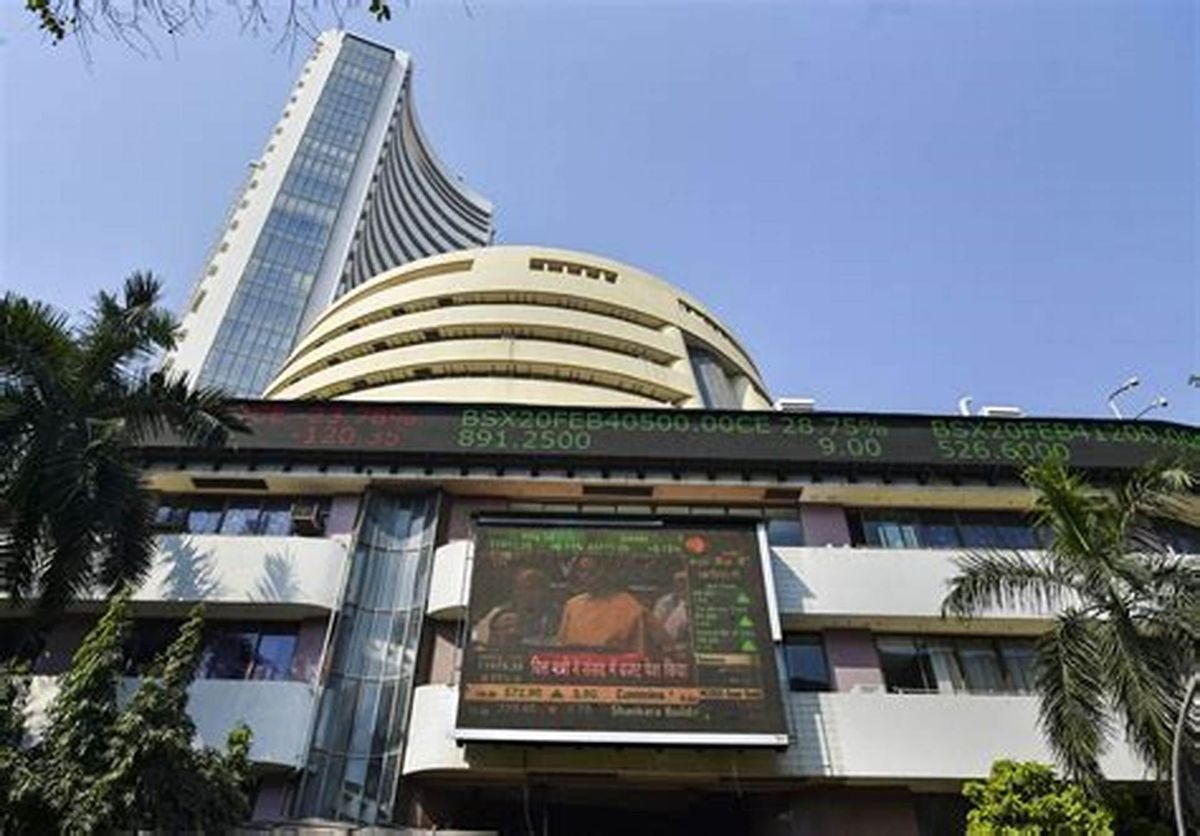
Indian Economy
The Indian economy presents a complex picture of impressive achievements alongside persistent challenges. Its strengths include a large, youthful population; a vibrant entrepreneurial ecosystem; strong service sectors; and accelerating digital adoption.

Nuclear Bomb - What if?
Nuclear weapons are stored and maintained under extremely rigorous security and safety protocols. The most effective protection remains prevention of nuclear conflict through international diplomacy, arms control agreements, and crisis management mechanisms.

Indian Entertainment
When one thinks of Indian entertainment on a global scale, Bollywood immediately springs to mind. Based primarily in Mumbai, the Hindi film industry is a behemoth, producing a vast number of films annually, often characterized by their vibrant musical numbers

Indian Industry
India's economy has evolved into a multifaceted system encompassing traditional sectors like agriculture and textiles, as well as cutting-edge industries such as pharmaceuticals, information technology, and renewable energy.

Indian Cities
From the bustling metropolises that pulse with economic energy to the ancient centers steeped in history and culture, India's cities are the vibrant heartbeats of this diverse nation. These urban landscapes are dynamic microcosm.

Latest News
The political landscape is currently abuzz with discussions surrounding upcoming state elections in several regions. Parties are actively campaigning, focusing on issues ranging from economic development and job creation to social welfare programs.

Union Territories of India
Union territories are federal territories governed directly by the Central Government of India. Some UTs have their own legislatures and elected governments, while others are administered by appointed administrators or lieutenant governors.
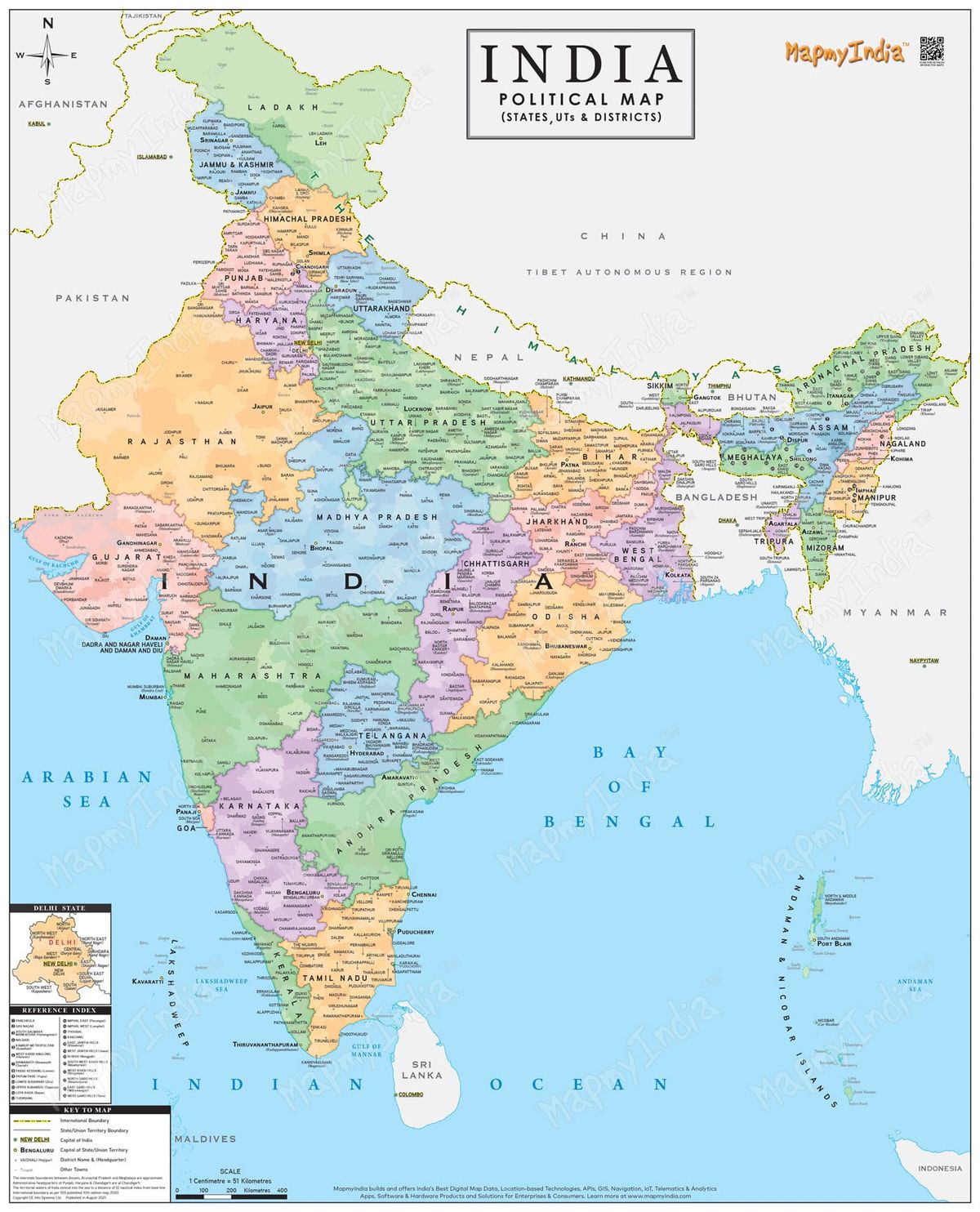
Indian States
India comprises 28 states and 8 union territories, each with unique geographical features, economic strengths, cultural heritage, and governance structures. Each of these administrative divisions contributes uniquely to the nation's vibrant mosaic.
More in news

Ayurveda
Discover the ancient wisdom of Ayurveda from the heart of Kerala with AyurKerala—a comprehensive resource for personalized wellness rooted in tradition. This platform offers in-depth guidance on Ayurvedic philosophy, dosha analysis, dietary and lifestyle recommendations, herbal remedies,

Chandigarh India
The history of the area around Chandigarh dates back to the Indus Valley Civilization. Archaeological findings have revealed settlements in the region dating back thousands of years. However, the modern city of Chandigarh is a relatively recent creation.

Lakshadweep India
Lakshadweep is shrouded in mystery, with limited archaeological evidence. Local legends attribute the first settlement to the period of Cheraman Perumal, the last ruler of the Chera dynasty of Kerala.

Puducherry
Puducherry's history can be traced back to ancient times, with archaeological evidence suggesting Roman trade links in the vicinity. However, its documented history begins with the arrival of European traders. The Portuguese were the first to establish a factory in Puducherry in the 16th century.

Ladakh India
adakh's history is deeply intertwined with Tibetan culture and Buddhism. Archaeological evidence suggests settlements dating back to the Bronze Age. By the 1st century CE, Ladakh was part of the Kushan Empire. In the following centuries, it came under the influence of various Tibetan kingdoms.

Jammu and Kashmir India
The culture of Jammu and Kashmir is a vibrant blend of Hindu, Muslim, Sikh, and Buddhist traditions, reflecting the region's diverse history and geography. Distinct cultural identities are found in the Jammu, Kashmir Valley, and Ladakh regions.

Kerala India
Kerala is located on the southwestern Malabar Coast of India.37 It is a narrow strip of land bordered by the Arabian Sea to the west and the Western Ghats to the east.38 The state can be divided into three geographical zones: the coastal lowlands, the midlands, and the highlands (Western Ghats).