

Delhi navigates the complex challenge of preserving its layered heritage while developing the infrastructure needed for a 21st-century megacity. Delhi's significance extends beyond its administrative role, functioning as a living museum of Indian history serving.
India's Historic Capital - A Comprehensive Guide
Delhi, India's national capital territory, encompasses both the historic city of Delhi and New Delhi, the country's official capital and seat of government. This sprawling metropolis represents a remarkable tapestry of history, culture, and politics, having served as the capital for numerous empires throughout its nearly 3,000-year history. Today's Delhi blends magnificent monuments from various historical eras with contemporary infrastructure, creating a unique urban landscape that serves as the political nerve center of the world's largest democracy.
Historical Evolution & Heritage
Delhi's storied past is visible in its monuments and urban layout:
Old Delhi (Shahjahanabad): Built by Mughal Emperor Shah Jahan in the 17th century, featuring the Red Fort and Jama Masjid
New Delhi: Designed by British architects Edwin Lutyens and Herbert Baker in the early 20th century as the imperial capital
Seven historical cities of Delhi, including Qutub Complex (Lal Kot), Siri, Tughlaqabad, Jahanpanah, Firozabad, and Purana Qila
Modern Delhi: Post-independence development expanding in all directions
Historical Forts & Monuments
Delhi's landscape is punctuated by magnificent historical structures:
Red Fort (Lal Qila)
UNESCO World Heritage Site built by Shah Jahan in 1639
Served as the main residence of Mughal emperors for nearly 200 years
Annual Independence Day address by the Prime Minister delivered from its ramparts
Impressive red sandstone architecture with distinctive Mughal elements
Purana Qila
Ancient fortress believed to be built on the site of Indraprastha, the legendary city from the Mahabharata
Construction spanning multiple rulers, particularly Sher Shah Suri and Humayun
Archaeological evidence of continuous habitation dating back 2,500 years
Sound and light show recounting Delhi's history
Qutub Complex
UNESCO World Heritage Site featuring the Qutub Minar, a 73-meter victory tower
Built by Qutub-ud-din Aibak in the late 12th century
Iron Pillar of Delhi demonstrating remarkable metallurgical achievements
Complex showcasing Indo-Islamic architectural beginnings in India
Humayun's Tomb
UNESCO World Heritage Site and architectural precursor to the Taj Mahal
Built in 1570 by Humayun's widow, Bega Begum
First garden-tomb on the Indian subcontinent
Recently restored to its original grandeur
Museums & Cultural Institutions
Delhi hosts world-class museums preserving India's heritage:
National Museum: Housing artifacts spanning 5,000 years of Indian art and history
National Gallery of Modern Art: Showcasing Indian modern art movements
Indira Gandhi National Centre for the Arts: Research center for Indian arts and culture
National Rail Museum: Chronicling India's railway heritage
National Science Centre: Interactive exhibits on scientific principles
Crafts Museum: Displaying traditional crafts from across India
Gandhi Smriti: Memorial where Mahatma Gandhi spent his final days
Nehru Memorial Museum & Library: Housed in the former residence of India's first Prime Minister
Geography & Environment
Rivers & Waterways
The Yamuna River forms Delhi's eastern boundary:
Sacred river in Hindu tradition
Major tributary of the Ganges
Historical settlements concentrated along its banks
Severe pollution challenges from industrial and domestic waste
Ongoing remediation efforts by government agencies
Climate
Delhi experiences a monsoon-influenced humid subtropical climate:
Extremely hot summers (April-June) with temperatures frequently exceeding 40°C
Monsoon season (July-September) bringing moderate rainfall
Mild, fog-prone winters (December-February) with occasional cold snaps
Spring (February-March) and autumn (October-November) offering pleasant weather
Environmental Challenges
The capital territory faces significant environmental issues:
Air pollution reaching critical levels, particularly during winter months
Water pollution in the Yamuna River
Declining groundwater tables due to over-extraction
Urban heat island effect intensifying summer temperatures
Flooding in low-lying areas during heavy monsoon rainfall
Loss of natural drainage channels through urban development
Demographics & Society
With approximately 30 million inhabitants in its metropolitan area, Delhi NCR (National Capital Region) ranks among the world's largest urban agglomerations. The population reflects remarkable diversity:
Social Composition
Delhi's social fabric includes:
Hindi-speaking majority with significant Punjabi, Urdu, Bengali, and South Indian communities
Religious diversity with Hindus forming the majority, alongside substantial Muslim, Sikh, Jain, Christian, and other religious groups
Large migrant population from across India seeking economic opportunities
International diplomatic community
Traditional caste structures existing alongside modern social mobility
Living Standards
Extreme variation characterizes Delhi's living conditions:
Upscale neighborhoods like Lutyens' Delhi, Vasant Vihar, and Greater Kailash
Middle-class residential colonies in East, West, and South Delhi
Unauthorized colonies with limited infrastructure
Informal settlements and slums, including Kathputli Colony and Yamuna Pushta
Resettlement colonies established by government agencies
This socioeconomic diversity creates parallel lives within the same city, with vastly different experiences of urban amenities, housing quality, and public services.
Infrastructure & Urban Systems
Airports
Delhi's aviation infrastructure centers around:
Indira Gandhi International Airport: India's busiest airport handling over 70 million passengers annually
Terminal 3, one of the world's largest airport terminals
Cargo facilities supporting extensive import-export operations
Hindon Airport in Ghaziabad serving as a secondary facility
Planned Jewar International Airport in Greater Noida to add significant capacity
Railways
Delhi serves as a crucial railway hub:
New Delhi Railway Station: One of India's busiest with over 350 trains daily
Old Delhi Railway Station (Delhi Junction): Historic terminal serving northern routes
Hazrat Nizamuddin Railway Station: Major terminal for southern destinations
Anand Vihar Terminal: Modern facility serving eastern routes
Sarai Rohilla and Delhi Cantt stations serving additional corridors
As the headquarters of the Northern Railway zone, Delhi connects to all parts of India through the national railway network.
Delhi Metro
The Delhi Metro system stands as one of the world's most extensive and successful rapid transit systems:
Network spanning over 390 kilometers with 285 stations
Color-coded lines serving Delhi and satellite cities in the NCR
Airport Express Line connecting the international terminal to the city center
Daily ridership exceeding 6 million passengers (pre-pandemic)
Continued expansion with Phase IV adding significant suburban coverage
Integration with other transport modes through multimodal terminals
The system has transformed urban mobility in the capital region while setting new standards for public infrastructure in India.
Suburban Rail
The Delhi Suburban Railway provides additional connectivity:
Ring Railway circling central Delhi
Services to satellite towns including Sonipat, Panipat, Rohtak, and Rewari
Integration with metro at key interchange stations
Delhi-Meerut Regional Rapid Transit System (RRTS) under construction
Planned expansion to improve connectivity with surrounding regions
Road Network and Transportation
Road infrastructure includes:
Ring Road and Outer Ring Road encircling the city
Multiple expressways connecting to satellite cities
Eastern and Western Peripheral Expressways (KMP Expressway) redirecting through traffic
Extensive bus network operated by Delhi Transport Corporation (DTC) and cluster bus system
Auto-rickshaws and cycle-rickshaws providing last-mile connectivity
App-based ride-hailing services
Growing cycling infrastructure in certain districts
Long-Distance Bus Services
Interstate bus services operate from:
Kashmere Gate ISBT (Interstate Bus Terminal): Connecting to northern states
Anand Vihar ISBT: Serving eastern destinations
Sarai Kale Khan ISBT: Routes to southern states
Premium Volvo services to popular regional destinations
State-operated and private carriers offering various service levels
Governance & Administration
Delhi's unique status as the National Capital Territory creates a complex administrative structure:
Lieutenant Governor appointed by the President of India
Elected Delhi Legislative Assembly and Chief Minister
New Delhi Municipal Council (NDMC) for the central government district
Municipal Corporation of Delhi for the majority of the territory
Delhi Development Authority (DDA) overseeing planning and housing
Cantonment Board for Delhi Cantonment area
Special provisions for areas housing central government institutions
This multilayered governance creates both challenges and opportunities for urban management.
Water Management
Water resources management involves:
Primary dependence on the Yamuna and water agreements with neighboring states
Treatment plants at Wazirabad, Chandrawal, and other locations
Groundwater extraction contributing substantially to supply
Significant disparities in water access between neighborhoods
Yamuna Action Plan addressing river pollution
Periodic shortages during summer months
Waste Management
The city generates approximately 10,000 tons of solid waste daily:
Primary landfills at Bhalswa, Ghazipur, and Okhla nearing capacity
Door-to-door collection implemented in most areas
Waste-to-energy plants at Okhla, Ghazipur, and Narela-Bawana
Increasing focus on segregation at source
Challenges with legacy dump sites requiring remediation
Economy & Business Landscape
Delhi's economy reflects its status as a national capital and commercial center:
Government & Public Sector
As the seat of national government, Delhi houses:
Parliament of India and Supreme Court
Central government ministries and departments
Diplomatic missions and international organizations
Public sector undertakings and statutory bodies
Defense establishments and security agencies
Service Sector
The service economy dominates Delhi's economic landscape:
Financial and insurance services
Information technology and business process outsourcing
Retail trade, both organized and unorganized
Tourism and hospitality
Real estate and construction
Professional services including legal, accounting, and consulting
Information Technology
While not as prominent as Bangalore or Hyderabad, Delhi NCR's IT sector is significant:
Major development centers in Noida, Gurgaon, and Delhi
Software development and IT-enabled services
Business process outsourcing operations
Technology startups and incubators
Hardware distribution networks
Trade & Commerce
Delhi functions as a major trading hub:
Connaught Place (Rajiv Chowk) serving as the traditional central business district
Nehru Place as an IT products marketplace
Chandni Chowk as a historic wholesale market
Specialized markets including Karol Bagh (electronics and apparel), Sadar Bazaar (household items), and Dariba Kalan (jewelry)
NSIC Exhibition Complex and Pragati Maidan hosting major trade shows
Manufacturing
Manufacturing activities include:
Small-scale industries in designated industrial areas
Textile and garment production
Food processing and packaging
Pharmaceutical manufacturing
Printing and publishing
Electronics assembly and repair
Markets & Commercial Centers
Commercial activity spans traditional markets to modern retail:
Chandni Chowk and Khari Baoli: Historic trading districts dating to Mughal era
Sadar Bazaar: Wholesale market for household goods
Janpath and Palika Bazaar: Popular tourist and local shopping areas
Khan Market: Upscale retail area
Specialized markets like Daryaganj (books), Kinari Bazaar (wedding items), and Chawri Bazaar (paper products)
Modern malls including Select Citywalk, DLF Emporio, and Pacific Mall
Education & Knowledge Economy
Delhi serves as India's premier educational center:
Higher Education
The city hosts prestigious institutions:
University of Delhi: Historic institution with numerous affiliated colleges
Jawaharlal Nehru University: Premier research university
Indian Institute of Technology Delhi: Leading engineering institution
All India Institute of Medical Sciences: Top medical institution
Jamia Millia Islamia and Ambedkar University
National Law University and numerous specialized institutions
Research Institutions
Delhi houses key research organizations:
Council of Scientific and Industrial Research (CSIR) laboratories
Indian Council of Medical Research (ICMR)
Indian Council of Agricultural Research (ICAR)
Defence Research and Development Organisation (DRDO)
Indian Council of Historical Research (ICHR)
Indian Statistical Institute Delhi Centre
Schools
The school education landscape includes:
Central government schools (Kendriya Vidyalayas)
Delhi government schools
Private schools affiliated with various boards
International schools serving diplomatic and expatriate communities
Religious and minority institution schools
Culture & Lifestyle
Cuisine & Food Scene
Delhi's culinary landscape reflects its cosmopolitan character:
Old Delhi street food including paratha, jalebi, and chaat
Mughlai cuisine featuring rich kormas, biryanis, and kebabs
Punjabi influences prominent in butter chicken and dal makhani
International cuisines concentrated in diplomatic enclaves and upscale districts
Distinct food cultures in different neighborhoods
Street food markets at Chandni Chowk, Nizamuddin, and Karol Bagh
Famous dining establishments include:
Karim's near Jama Masjid for Mughlai cuisine
Paranthe Wali Gali in Chandni Chowk for stuffed flatbreads
Khan Chacha in Khan Market for kebabs
Bukhara at ITC Maurya for Northwest Frontier cuisine
Saravana Bhavan for South Indian dishes
Accommodation
The hospitality sector spans all categories:
Luxury hotels in central Delhi and diplomatic enclaves
Heritage properties repurposing historic buildings
Mid-range business hotels distributed throughout the city
Budget accommodations clustered in Paharganj and Karol Bagh
Boutique hotels in residential colonies
Service apartments catering to long-term visitors
Religious Sites & Practices
Delhi's religious landscape showcases remarkable diversity:
Jama Masjid: One of India's largest mosques
Akshardham Temple: Vast Hindu temple complex
Bangla Sahib Gurudwara: Major Sikh place of worship
Lotus Temple (Bahá'í House of Worship): Architectural marvel open to all faiths
Cathedral Church of the Redemption: Anglican church in the colonial district
ISKCON Temple: Modern Hindu temple with elaborate architecture
Kalka Ji Mandir: Ancient Hindu temple dedicated to Goddess Kali
Religious festivals transform neighborhoods throughout the year, with processions, temporary installations, and communal celebrations.
Shopping & Retail
Retail options range from heritage markets to luxury malls:
Connaught Place: Colonial-era shopping district
Khan Market: Upscale shopping area
Dilli Haat: Crafts bazaar showcasing products from across India
Sarojini Nagar and Lajpat Nagar: Popular for budget fashion
South Extension and Greater Kailash: Middle and upper-middle class retail
Luxury malls including DLF Emporio and The Chanakya
Festivals & Celebrations
Major cultural events include:
Diwali celebrations illuminating the entire city
Durga Puja in CR Park and other Bengali enclaves
Republic Day Parade along Rajpath
Ramlila performances during Dussehra
Phoolwalon Ki Sair showcasing Hindu-Muslim cultural harmony
Delhi International Arts Festival
India International Trade Fair at Pragati Maidan
Entertainment & Arts
Cultural offerings include:
Performing arts at Kamani Auditorium and Siri Fort Auditorium
Musical concerts at India Habitat Centre and Nehru Park
Traditional music performances at Triveni Kala Sangam
Contemporary art galleries in Lado Sarai and Shahpur Jat
Theater productions by established and experimental groups
Cultural festivals throughout the year
Film & Cinema
While not a major film production center like Mumbai, Delhi's film scene includes:
Diverse cinema halls from premium multiplexes to single-screen theaters
Annual Delhi International Film Festival
Film shooting locations throughout the city
Film appreciation societies and clubs
Growing independent filmmaking community
Urban Challenges & Future Outlook
Delhi faces several critical urban challenges:
Air pollution requiring comprehensive mitigation strategies
Water security with growing demand and limited local sources
Traffic congestion despite extensive public transportation
Housing affordability crisis affecting middle and lower-income groups
Urban sprawl extending the metropolitan footprint
Balancing development with environmental sustainability
Preserving heritage while accommodating growth
Key development initiatives include:
Delhi Master Plan 2041 guiding future development
Transit-oriented development along metro corridors
Redevelopment of government housing and office complexes
Smart city applications for urban management
Central Vista redevelopment reshaping the government district
Urban renewal projects in historic areas
As India's capital territory continues to grow, it navigates the complex challenge of preserving its layered heritage while developing the infrastructure needed for a 21st-century megacity. Delhi's significance extends beyond its administrative role, functioning as a living museum of Indian history while simultaneously serving as the political heart of the world's largest democracy.
The city's resilience, demonstrated through multiple historical transformations, suggests the capacity to address its current challenges. Delhi's future will depend on balancing its multiple identities—as national capital, cultural repository, economic center, and home to millions—while creating sustainable urban systems that improve quality of life for all its residents.
More in delhi

Delhi Airport
Indira Gandhi International Airport is as a testament to India's aviation prowess and Delhi's significance as the nation's capital. With its record-breaking passenger volumes, extensive global connectivity, and ambitious expansion plans, IGI Airport continues to set new benchmarks.
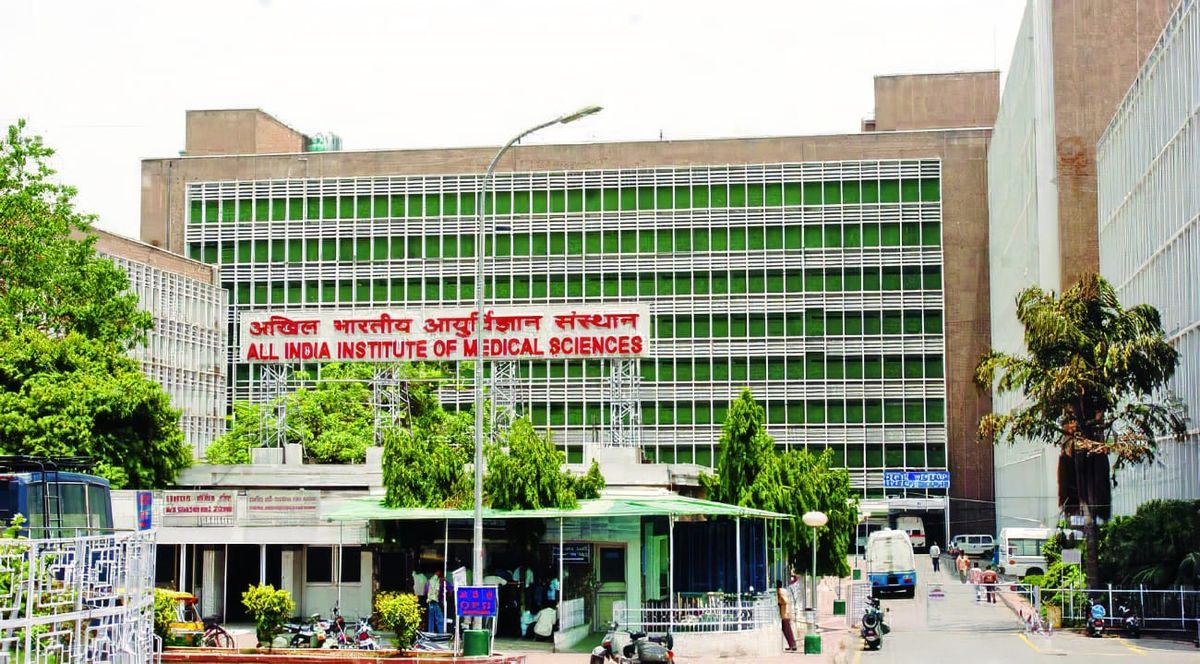
Delhi Hospitals
Delhi's healthcare system and hospitals encapsulates both the achievements and contradictions of Indian healthcare. While its premier institutions represent global standards in clinical excellence, significant portions of the population still struggle for access to basic services.
More in indian capital

Panaji - Panjim Goa
Panaji (also known as Panjim), the capital city of Goa, sits at the mouth of the Mandovi River. Panaji faces several key challenges including balancing tourism development with environmental sustainability.