

Hyderabad's dual identity—embracing both its Nizam-era heritage and position as a global technology hub—creates a unique urban character. This balance between historical preservation and forward-looking development distinguishes it from other Indian metropolises.
The City of Nizams and Technology
Hyderabad, the capital of Telangana state, stands as a remarkable confluence of historical grandeur and technological innovation. Founded in 1591 by Muhammad Quli Qutb Shah, the city has evolved from the seat of the wealthy Nizams to one of India's leading technology centers while maintaining its unique cultural identity characterized by a distinctive Indo-Persian heritage.
Historical Landmarks & Heritage
Charminar
The iconic Charminar ("Four Minarets") stands as Hyderabad's defining monument:
Built in 1591 by Muhammad Quli Qutb Shah to commemorate the end of a plague epidemic
Four ornate 56-meter-high minarets surrounding a mosque on the upper floor
Central location at the intersection of the original city's four primary thoroughfares
Surrounding Laad Bazaar (Choodi Bazaar) famous for bangles and traditional crafts
Golconda Fort
This medieval fortress and former diamond trading center showcases remarkable engineering:
Acoustic design allowing sounds from the entrance gate to be heard at the hilltop pavilion
Sophisticated water supply system and architectural innovations
Diamond mining history, with legendary stones like the Koh-i-Noor originating from its mines
Sound and light show recounting the fort's history
Impressive Fateh Darwaza (Victory Gate) and other architectural features
Qutb Shahi Tombs
This necropolis contains mausoleums of the Qutb Shahi dynasty rulers:
Distinctive blend of Persian, Pashtun and Hindu architectural styles
Extensive gardens surrounding the domed structures
Ongoing restoration work by the Aga Khan Trust for Culture
Significant examples of Indo-Persian funerary architecture
Falaknuma Palace
This opulent former palace of the Nizams now functions as a luxury hotel:
Built in 1893 in the shape of a scorpion
Lavish interiors featuring the world's longest dining table and valuable art collections
Panoramic views of the city from its elevated position
Blend of Italian and Tudor architectural elements
Museums
Hyderabad hosts several notable museums:
Salar Jung Museum: One of India's largest, housing the collection of Nawab Salar Jung III
Nizam's Museum: Showcasing gifts and artifacts from the Asaf Jahi dynasty
Birla Science Museum and Planetarium: Interactive science exhibits and astronomy programs
City Museum at Purani Haveli: Chronicling Hyderabad's urban evolution
Telangana State Archaeology Museum: Housing prehistoric to medieval artifacts
Demographics & Population
With approximately 10 million inhabitants in its metropolitan area, Hyderabad ranks as India's fourth-largest urban agglomeration. The population reflects the city's unique history:
Social Composition
Hyderabad's social fabric includes:
Telugu-speaking majority with significant Urdu-speaking populations
Historic Muslim influence from the Nizam period coexisting with Hindu majority
Diverse migrant communities from across India drawn by educational and employment opportunities
Growing international expatriate population connected to technology and pharmaceutical sectors
Distinctive cultural identity expressed through language (Hyderabadi dialect/Dakhni), cuisine, and traditions
The Old City area maintains stronger connections to the Nizam-era cultural practices, while newer districts, particularly in the west, reflect contemporary cosmopolitan India.
Geography & Environment
Rivers & Water Bodies
Hyderabad's hydrology centers around:
Musi River flowing through the city center, with the historic Purana Pul (Old Bridge) spanning it
Hussain Sagar Lake, a heart-shaped artificial lake created in 1563, featuring the monolithic Buddha statue
Osman Sagar and Himayat Sagar reservoirs serving as important water sources
Durgam Cheruvu (Secret Lake) in the Hitec City area
Climate
The city experiences a tropical wet and dry climate:
Hot summers (March-June) with temperatures frequently exceeding 40°C
Monsoon season (June-September) bringing moderate rainfall
Pleasant winters (November-February) with temperatures rarely falling below 15°C
Located on the Deccan Plateau at approximately 500 meters elevation, moderating the climate
Environmental Challenges
Key environmental issues include:
Air quality concerns in high-traffic areas
Encroachment on water bodies reducing natural drainage capacity
Flooding in low-lying areas during intense monsoon rainfall
Urban heat island effect intensifying summer temperatures
Water scarcity during drought years
Infrastructure & Urban Development
Airports
Rajiv Gandhi International Airport (RGIA) in Shamshabad serves as the primary aviation hub:
Located approximately 20 kilometers from the city center
Modern terminal handling over 21 million passengers annually
Connected to the city by the Outer Ring Road and the PV Narasimha Rao Elevated Expressway
Metro connectivity under construction
Cargo operations supporting pharmaceutical exports
Railways
The railway network includes:
Secunderabad Railway Station: The zone's headquarters and primary terminal
Hyderabad Deccan Station (Nampally): Serving central Hyderabad
Kacheguda Railway Station: Historic terminal with distinctive architecture
Multiple suburban stations enabling regional connectivity
Hyderabad serves as the headquarters of the South Central Railway zone of Indian Railways.
Suburban Rail Network
The Multi-Modal Transport System (MMTS) provides suburban rail service:
Phase I connecting major residential and commercial zones
Phase II expansion extending the network to additional suburbs
Integration with metro stations at key interchange points
Operated jointly by South Central Railway and the state government
Metro System
Hyderabad Metro Rail, one of India's largest metro projects in public-private partnership:
Red Line from Miyapur to LB Nagar
Blue Line from Nagole to Raidurg
Green Line from JBS to MGBS
Airport connectivity line under construction
Modern stations with commercial development at major junctions
The system utilizes modern technology including driverless train capability and integrated smart card ticketing.
Road Network and Transportation
Road infrastructure includes:
158-kilometer Outer Ring Road encircling the metropolitan area
Inner Ring Road connecting central districts
PV Narasimha Rao Elevated Expressway linking the airport
Historic Pathergatti and Charminar pedestrian zone
Extensive bus network operated by Telangana State Road Transport Corporation (TSRTC)
Auto-rickshaws and ride-hailing services
Planned Regional Ring Road to connect satellite towns
Long-Distance Bus Services
TSRTC and private operators provide:
Services from Mahatma Gandhi Bus Station (MGBS), one of Asia's largest
Jubilee Bus Station (JBS) serving northern destinations
Premium services to major cities in south and central India
Airport connectivity services
Specialized tourism packages to regional destinations
Urban Management & Development
City Administration
The Greater Hyderabad Municipal Corporation (GHMC) administers the city across 5 zones and 150 wards. Additionally:
Hyderabad Metropolitan Development Authority (HMDA) oversees planning for the larger metropolitan region
Hyderabad Metropolitan Water Supply and Sewerage Board manages water resources
Telangana State Southern Power Distribution Company handles electricity distribution
Hyderabad Traffic Police manages the complex traffic patterns
Water Management
Water security remains a significant focus:
Primary dependence on Krishna and Godavari rivers through pipeline projects
Himayat Sagar and Osman Sagar reservoirs supplementing urban supply
Groundwater levels declining in many areas
Water treatment plants at Patancheru, Asifnagar, and other locations
Periodic shortages during summer months in certain neighborhoods
Waste Management
The city generates approximately 4,500 tons of solid waste daily:
Door-to-door collection implemented in most neighborhoods
Transfer stations facilitating efficient transport to processing centers
Waste-to-energy plants at Jawaharnagar
Increasing focus on segregation at source
Challenges with legacy dump sites requiring remediation
Economy & Business Landscape
Information Technology Sector
HITEC City (Hyderabad Information Technology and Engineering Consultancy City) and the expanded Cyberabad area form the technology core:
Major campuses for companies including Microsoft, Google, Amazon, Facebook, and IBM
Specialized IT parks including Raheja Mindspace, Gachibowli Financial District, and Q City
Business process outsourcing and knowledge process outsourcing operations
Hardware manufacturing and electronics cluster
The sector employs hundreds of thousands of professionals, with the western corridor from Gachibowli to Financial District forming India's second-largest IT cluster after Bengaluru.
Pharmaceutical Industry
Hyderabad accounts for approximately 40% of India's pharmaceutical production:
Genome Valley biotechnology cluster
Major research facilities for Indian and multinational pharmaceutical companies
Bulk drug manufacturing units in surrounding districts
Contract research organizations supporting global drug development
Specialized pharmaceutical export infrastructure at the airport
Film Industry
Telugu cinema (Tollywood) makes Hyderabad a major film production center:
Ramoji Film City, one of the world's largest film studio complexes
Production facilities throughout the city
Post-production and visual effects studios
Film educational institutions and training centers
Annual Hyderabad International Film Festival
The industry generates significant employment in creative and technical roles while contributing to the city's cultural influence.
Traditional Industries
Legacy sectors continue to contribute significantly:
Pearls and jewelry making, particularly in Laad Bazaar
Handloom production including the famous Pochampally ikat textiles
Bidriware metalcraft demonstrating Persian influences
Zari embroidery and other traditional handicrafts
Food processing, particularly for regional snacks and preserved foods
Markets & Commercial Centers
Commercial landscape spans traditional bazaars to modern retail:
Begum Bazaar, one of the largest wholesale markets
Koti Sultan Bazaar for textiles and general merchandise
Moazzam Jahi Market, recently restored historic fruit market
Specialized markets for agricultural produce at Bowenpally and Gudimalkapur
Modern retail at GVK One, Inorbit Mall, and other shopping centers
Culture & Lifestyle
Cuisine & Food Scene
Hyderabadi cuisine forms a distinctive culinary tradition:
Hyderabadi biryani, the city's signature dish, with distinctive preparation methods
Haleem, particularly popular during Ramzan
Distinctive desserts including qubani ka meetha (apricot dessert) and double ka meetha
Irani chai culture with chai and Osmania biscuits
Street foods including mirchi bajji, shawarma, and paaya
Famous dining establishments include:
Paradise for biryani
Cafe Niloufer for Irani chai
Pista House for haleem
Shah Ghouse for traditional Hyderabadi cuisine
Historic Irani cafes in the Old City area
Accommodation
The hospitality sector includes:
Luxury heritage properties like Taj Falaknuma Palace
Business hotels clustered in Banjara Hills, Jubilee Hills, and Gachibowli
Budget accommodations near transportation hubs
Service apartments catering to technology professionals
Boutique hotels offering distinctive experiences
Religious Sites & Practices
Hyderabad's religious landscape demonstrates remarkable diversity:
Mecca Masjid near Charminar, one of India's largest mosques
Birla Mandir offering panoramic city views
Spanish Mosque with distinctive Moorish architecture
St. Joseph's Cathedral in Gunfoundry
Gurudwara Saheb Secunderabad serving the Sikh community
Shri Jagannath Temple modeled after the Puri original
Distinctive religious celebrations include:
Bonalu, a Telangana traditional festival honoring the goddess Mahakali
Bathukamma, featuring elaborate floral arrangements
Processions during Muharram
Grand Ganesh Chaturthi immersion processions at Hussain Sagar
Shopping & Retail
Retail options range from heritage markets to luxury malls:
Laad Bazaar for traditional bangles and wedding items
Begum Bazaar for wholesale goods
Tobacco Bazaar for textile trading
Abids and Sultan Bazaar for general retail
High-end retail at GVK One, Inorbit Mall, and City Center Mall
Nampally Exhibition Grounds hosting seasonal exhibitions
Festivals & Celebrations
Major cultural events include:
Decennial Sammakka Saralamma Jatara drawing millions
Bonalu celebrations in historic temples
Literary festivals including the Hyderabad Literary Festival
Numaish annual exhibition running for 45 days
Hyderabad Marathon utilizing the Outer Ring Road
Deccan Festival celebrating local cultural heritage
Education
The city hosts prestigious educational institutions:
University of Hyderabad, a premier central university
Osmania University, one of India's oldest
Indian School of Business
International Institute of Information Technology
Specialized institutions like NALSAR University of Law
Numerous engineering and medical colleges
Urban Challenges & Future Outlook
Hyderabad faces several urban challenges:
Traffic congestion, particularly in the IT corridor
Housing affordability pressures in central and western districts
Water security for the growing population
Integration of the historic core with newer developments
Balancing rapid growth with environmental sustainability
Key development initiatives include:
Musi Riverfront Development Project revitalizing the central waterway
Strategic Road Development Program addressing traffic bottlenecks
Regional Ring Road connecting satellite towns
Transit-oriented development along metro corridors
Heritage conservation in the Old City area
Hyderabad's dual identity—embracing both its Nizam-era heritage and position as a global technology hub—creates a unique urban character. This balance between historical preservation and forward-looking development distinguishes it from other Indian metropolises.
The city's growth trajectory focuses on leveraging its established strengths in information technology and pharmaceuticals while improving quality of life through enhanced infrastructure and services. With continued investment in connectivity to its surrounding regions and international markets, Hyderabad is positioning itself as a major urban center not just within India but on the global stage.
As it expands, Hyderabad's challenge will be maintaining its distinctive cultural heritage—visible in its monuments, cuisine, language, and festivals—while accommodating the cosmopolitan influences brought by its increasingly diverse population. This delicate balance between tradition and modernity will define Hyderabad's evolution in the coming decades.
More in hyderabad

Hyderabad Airport
Rajiv Gandhi International Airport stands as a remarkable example of modern aviation infrastructure that successfully balances operational excellence, sustainability, and regional economic development. Its impressive growth trajectory, commitment to environmental responsibility.
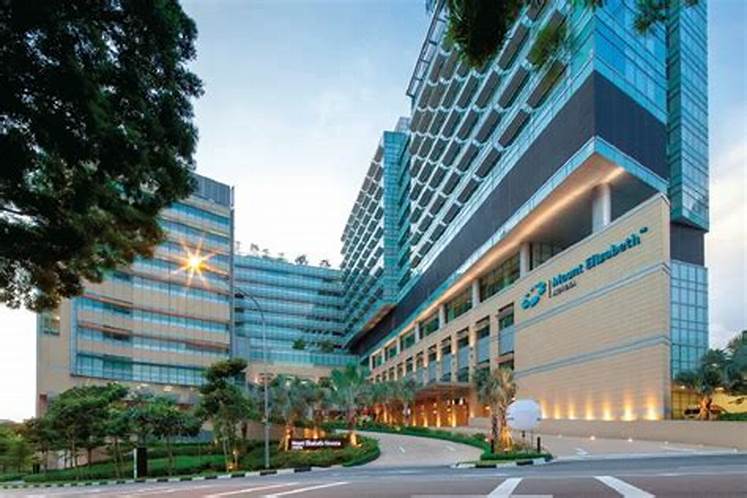
Hyderabad Hospitals
Hyderabad's healthcare system and hospitals, exemplifies the progress and challenges of Indian healthcare in the 21st century. While its leading institutions compete with global standards in clinical excellence and technological adoption.