

India boasts its own unique culinary traditions, influenced by local ingredients and cultural practices. From the spicy curries of the South to the rich gravies of the North, Indian food offers a journey that tantalizes the taste buds and nourishes the soul.
Introduction to Indian Food
Indian cuisine is a vibrant tapestry of flavors, colors, and aromas, reflecting the country's rich cultural heritage and diverse geography. Each region of India boasts its own unique culinary traditions, influenced by local ingredients, historical events, and cultural practices. From the spicy curries of the South to the rich gravies of the North, Indian food offers a gastronomic journey that tantalizes the taste buds and nourishes the soul.
Key Characteristics of Indian Cuisine
Spices and Herbs : Indian food is renowned for its extensive use of spices and herbs. Common spices include cumin, coriander, turmeric, and garam masala, while herbs like cilantro and mint add freshness to dishes. These ingredients not only enhance flavor but also offer numerous health benefits.
North Indian Cuisine : Characterized by rich, creamy gravies, tandoori dishes, and bread like naan and roti. Popular dishes include butter chicken, paneer tikka, and biryani.
South Indian Cuisine : Known for its use of rice, coconut, and tamarind. Dishes like dosa, sambar, appam, and fish curry are staples.
East Indian Cuisine : Features seafood, mustard oil, and sweets like rasgulla and sandesh.
West Indian Cuisine : Includes a variety of vegetarian dishes, spicy curries, and snacks like pav bhaji and dhokla.
Vegetarianism : India has a significant vegetarian population, and its cuisine offers a plethora of vegetarian options. Lentils, beans, and vegetables are often cooked with spices to create hearty and flavorful dishes.
Street Food : Indian street food is a culinary adventure in itself. From the spicy and tangy chaat to the savory samosas and vada pav, street food reflects the creativity and resourcefulness of Indian cooks.
Festive Foods : Indian festivals are celebrated with special foods that vary by region and occasion. For example, sweets like ladoo and jalebi are common during Diwali, while savory dishes like biryani are enjoyed during Eid.
Conclusion
Indian food is more than just a meal; it is an experience that brings people together and celebrates the country's rich cultural diversity. Whether you are savoring a simple dal or indulging in a complex curry, Indian cuisine offers a delightful blend of flavors that leave a lasting impression.
More in indian food

Jackfruit - Chakka
From sweet chips to diabetic-friendly flour, jackfruit has become a superfood success story in Kerala. Its transformation reflects not just agricultural potential but also Kerala’s cultural richness, innovation, and sustainable approach to food.

Indian Agriculture
Indian agriculture stands at a crossroads, balancing its traditional role as a livelihood provider with emerging demands for sustainability, efficiency, and nutritional security. The sector's evolution will determine not just India's food future but also its ability to address rural prosperity
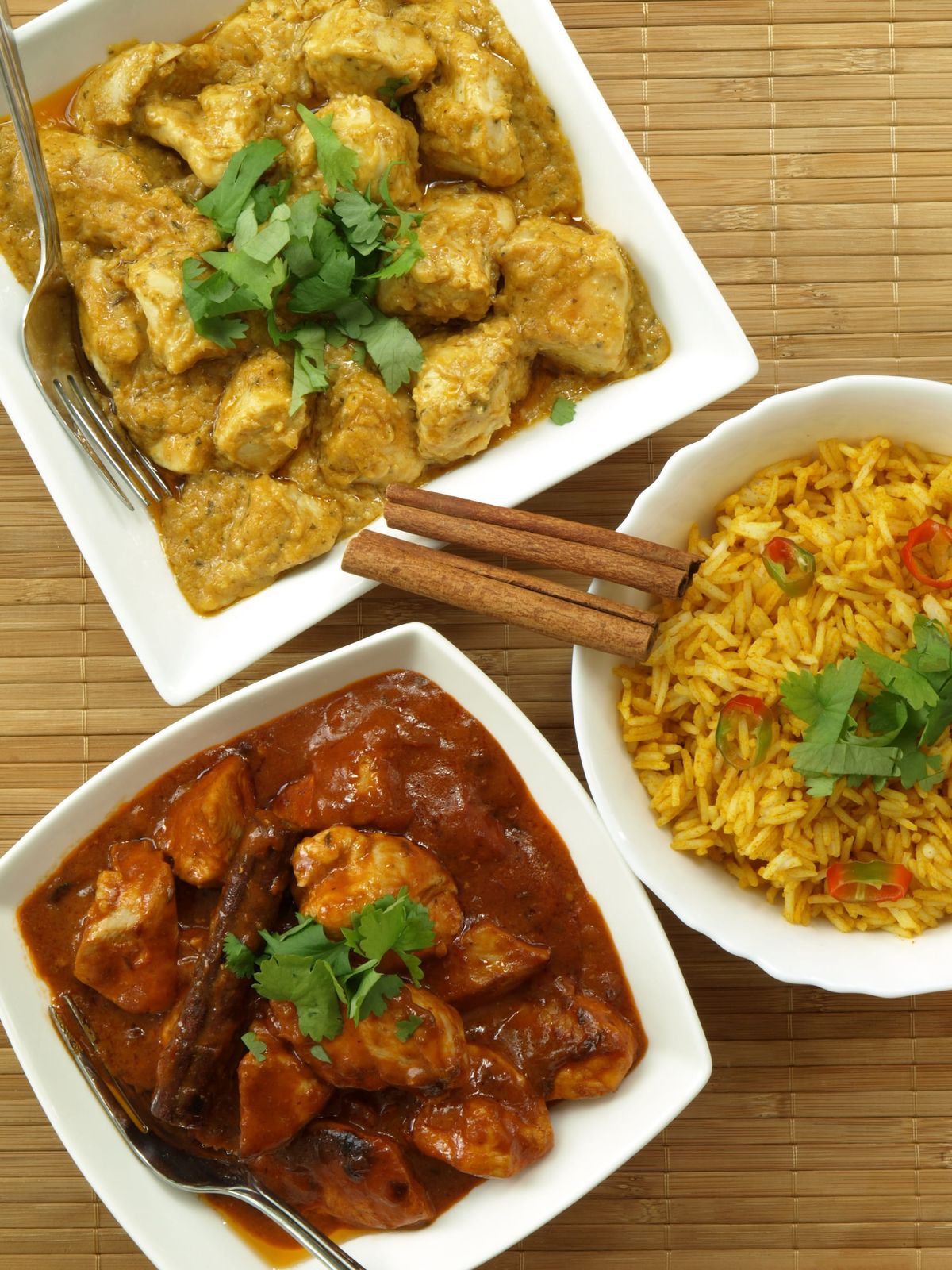
Indian Food Industry
Indian food represents one of humanity's great culinary achievements—a living tradition that spans thousands of years while continuously evolving. From the agricultural fields to restaurant tables worldwide, Indian cuisine embodies diversity, innovation, and deep cultural meaning.

Indian cuisine
India's culinary landscape is as diverse as its people, with each region offering distinct flavors and specialties: It encompasses a vast array of flavors, ingredients, and cooking techniques, reflecting the country's diverse geography and rich heritage.

Indian Vegetables
India's vegetable sector is a vital component of its agricultural economy, providing nutrition, employment, and export earnings. With continued investment in infrastructure, research, and sustainable practices, India is poised to strengthen its position in the global vegetable market.

Indian Fruits
Indian fruits are a remarkable blend of flavor, nutrition, cultural relevance, and economic potential. With increasing investments in technology, infrastructure, and global market access, India is well-positioned to lead the world.

Indian Food Trends
he diversity of Indian food is unparalleled, ranging from the robust tandoori dishes of Punjab to the delicate steamed delights of the Northeast, and from coastal seafood feasts in Kerala to the rich vegetarian platters of Gujarat.

Indian Industry
India's economy has evolved into a multifaceted system encompassing traditional sectors like agriculture and textiles, as well as cutting-edge industries such as pharmaceuticals, information technology, and renewable energy.
More in india
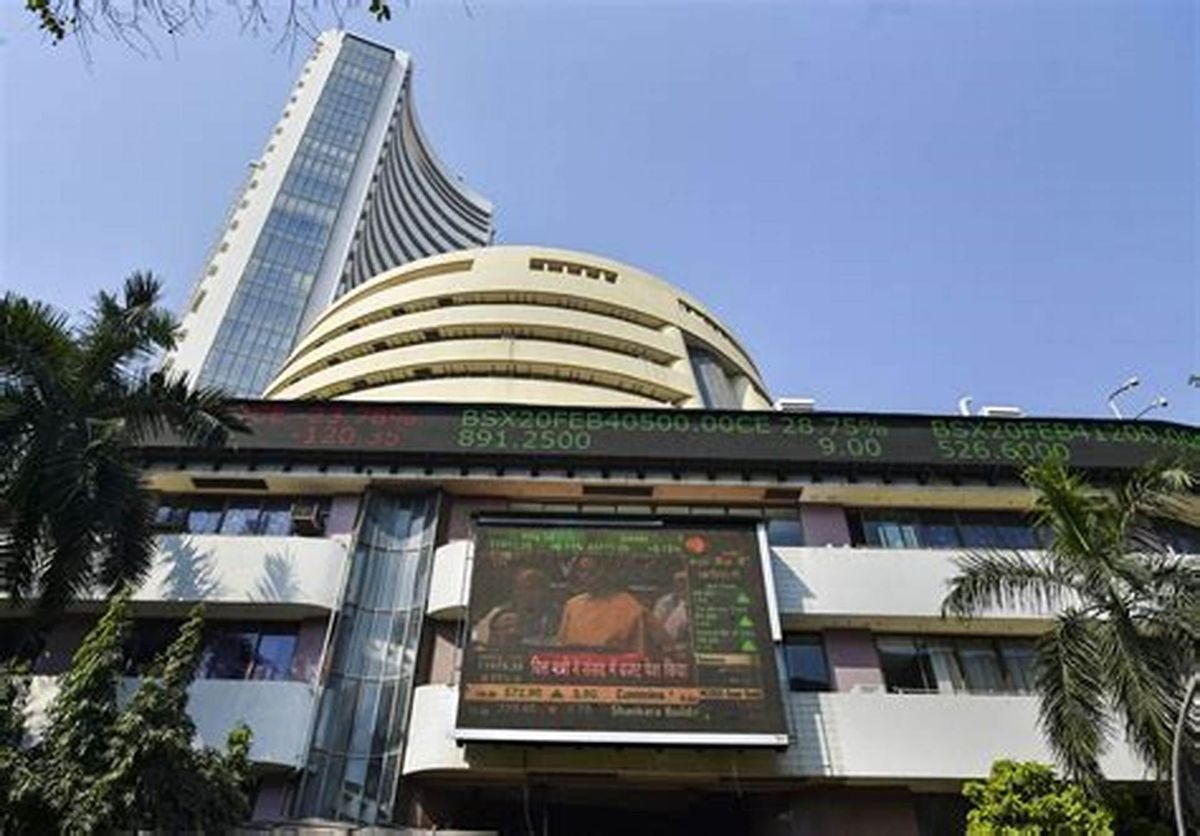
Indian Economy
The Indian economy presents a complex picture of impressive achievements alongside persistent challenges. Its strengths include a large, youthful population; a vibrant entrepreneurial ecosystem; strong service sectors; and accelerating digital adoption.

Nuclear Bomb - What if?
Nuclear weapons are stored and maintained under extremely rigorous security and safety protocols. The most effective protection remains prevention of nuclear conflict through international diplomacy, arms control agreements, and crisis management mechanisms.

Indian Entertainment
When one thinks of Indian entertainment on a global scale, Bollywood immediately springs to mind. Based primarily in Mumbai, the Hindi film industry is a behemoth, producing a vast number of films annually, often characterized by their vibrant musical numbers

Indian Cities
From the bustling metropolises that pulse with economic energy to the ancient centers steeped in history and culture, India's cities are the vibrant heartbeats of this diverse nation. These urban landscapes are dynamic microcosm.

Latest News
The political landscape is currently abuzz with discussions surrounding upcoming state elections in several regions. Parties are actively campaigning, focusing on issues ranging from economic development and job creation to social welfare programs.

Union Territories of India
Union territories are federal territories governed directly by the Central Government of India. Some UTs have their own legislatures and elected governments, while others are administered by appointed administrators or lieutenant governors.
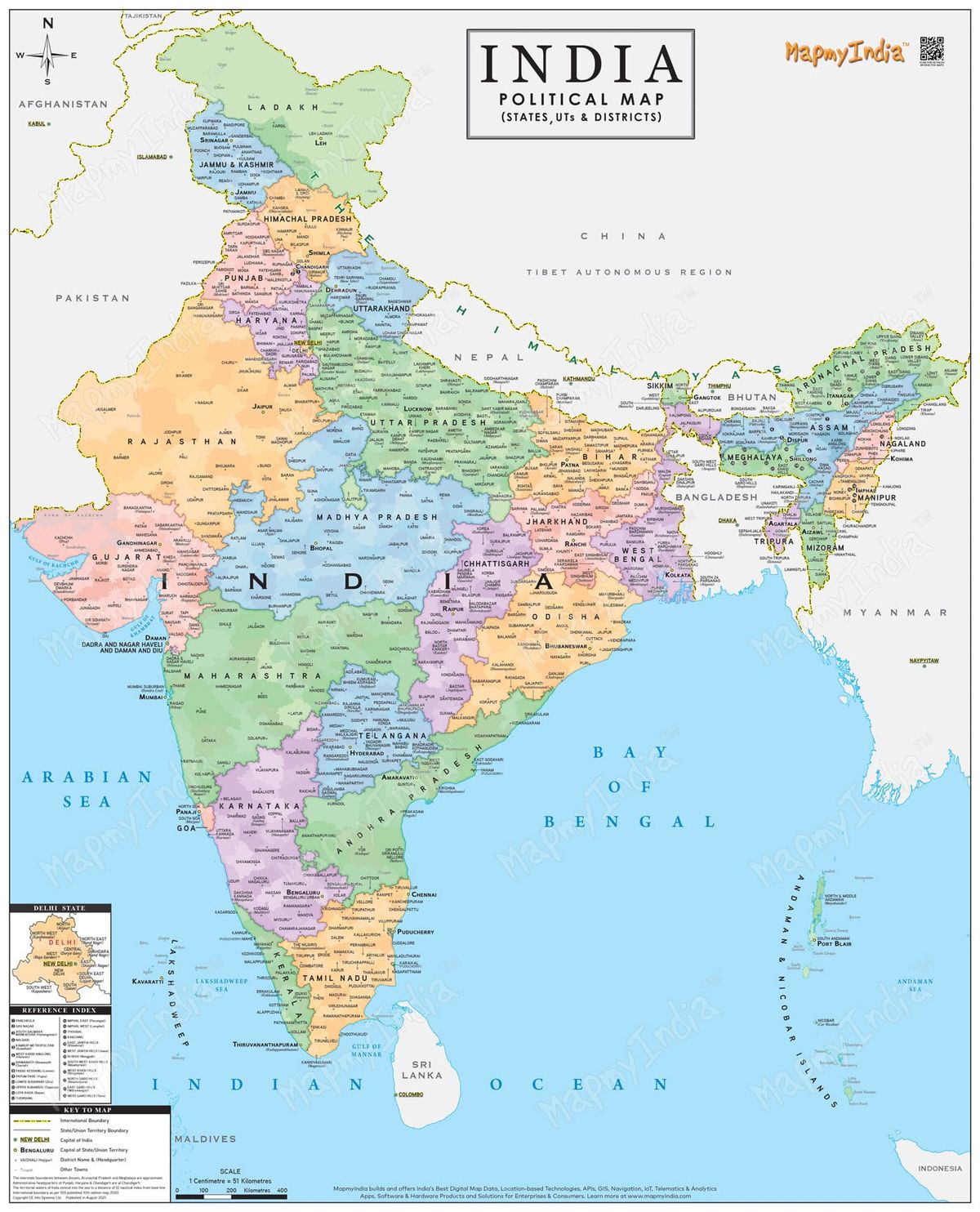
Indian States
India comprises 28 states and 8 union territories, each with unique geographical features, economic strengths, cultural heritage, and governance structures. Each of these administrative divisions contributes uniquely to the nation's vibrant mosaic.

Andaman and Nicobar Islands India
The history of the Andaman and Nicobar Islands is marked by isolation and late integration into the Indian mainland's narrative. Archaeological evidence suggests human habitation on these islands dating back several thousand years.
More in news

Ayurveda
Discover the ancient wisdom of Ayurveda from the heart of Kerala with AyurKerala—a comprehensive resource for personalized wellness rooted in tradition. This platform offers in-depth guidance on Ayurvedic philosophy, dosha analysis, dietary and lifestyle recommendations, herbal remedies,

Chandigarh India
The history of the area around Chandigarh dates back to the Indus Valley Civilization. Archaeological findings have revealed settlements in the region dating back thousands of years. However, the modern city of Chandigarh is a relatively recent creation.

Lakshadweep India
Lakshadweep is shrouded in mystery, with limited archaeological evidence. Local legends attribute the first settlement to the period of Cheraman Perumal, the last ruler of the Chera dynasty of Kerala.

Delhi India
Delhi's history spans several millennia, with evidence of continuous habitation from at least the 6th century BCE. It has served as the capital of numerous empires and kingdoms, each leaving its indelible mark on the city's landscape and culture.

Puducherry
Puducherry's history can be traced back to ancient times, with archaeological evidence suggesting Roman trade links in the vicinity. However, its documented history begins with the arrival of European traders. The Portuguese were the first to establish a factory in Puducherry in the 16th century.

Ladakh India
adakh's history is deeply intertwined with Tibetan culture and Buddhism. Archaeological evidence suggests settlements dating back to the Bronze Age. By the 1st century CE, Ladakh was part of the Kushan Empire. In the following centuries, it came under the influence of various Tibetan kingdoms.

Jammu and Kashmir India
The culture of Jammu and Kashmir is a vibrant blend of Hindu, Muslim, Sikh, and Buddhist traditions, reflecting the region's diverse history and geography. Distinct cultural identities are found in the Jammu, Kashmir Valley, and Ladakh regions.