

he diversity of Indian food is unparalleled, ranging from the robust tandoori dishes of Punjab to the delicate steamed delights of the Northeast, and from coastal seafood feasts in Kerala to the rich vegetarian platters of Gujarat.
The Culinary Tapestry of India: A Comprehensive Exploration of Indian Food
India’s culinary landscape is a vibrant tapestry woven through thousands of years of history, shaped by geography, religion, trade, climate, and culture. The diversity of Indian food is unparalleled, ranging from the robust tandoori dishes of Punjab to the delicate steamed delights of the Northeast, and from coastal seafood feasts in Kerala to the rich vegetarian platters of Gujarat. Beyond just being a cultural expression, food in India is also a massive economic driver—powering agriculture, exports, and industries across the nation.
🍛 Regional Specialties
North India
Punjab : Known for butter chicken, dal makhani, sarson da saag, and tandoori roti. Rich dairy-based cuisine.
Kashmir : Famous for Rogan Josh, Yakhni, and Wazwan—a traditional multi-course meal.
Uttar Pradesh : Offers kebabs from Lucknow, kachoris, and Awadhi biryanis.
South India
Tamil Nadu : Spicy chettinad curries, dosas, idlis, and sambhar.
Kerala : Coconut-infused seafood curries, appams, vegetable and chicken stews, and Malabar biryani.
Andhra & Telangana : Pungent pickles, biryanis, and hot curries.
East India
West Bengal : Known for macher jhol (fish curry), mishti doi (sweet yogurt), and shorshe ilish (mustard hilsa).
Odisha : Temple food of Jagannath Temple, pakhala bhat (fermented rice).
Assam & Northeast : Steamed, fermented dishes with bamboo shoots, pork, and minimal oil.
West India
Rajasthan : Dal baati churma, gatte ki sabzi, and ker sangri—drought-resilient dishes.
Gujarat : Thali meals with thepla, dhokla, undhiyu, and farsan snacks.
Maharashtra : Vada pav, puran poli, misal pav, and spicy seafood in Konkan.
🥦 Vegetarian Food in India
India is the world's largest consumer of vegetarian food. Rooted in Hindu, Jain, and Buddhist traditions , vegetarianism thrives across:
Gujarat and Rajasthan : Lentil- and gram-based dishes.
South India : Rice and lentil combinations like idli and dosa.
Temple Cuisine : Offerings like Mahaprasad in Odisha and Satvik bhojan in North India avoid onion, garlic, and root vegetables.
Popular vegetarian recipes:
Chole Bhature
Paneer Butter Masala
Baingan Bharta
Palak Paneer
Khichdi
🌾 Food Production and Cultivation
India is a global agricultural superpower :
Largest producer of milk, pulses, and spices.
2nd in rice, wheat, fruits, and vegetables.
5th in fish production (aquaculture and marine).
Major cultivars: Basmati rice, turmeric, cardamom, mangoes, tea, and sugarcane .
Key cultivation regions:
Punjab, Haryana : Wheat and rice.
Andhra Pradesh, Maharashtra : Cotton, sugarcane, pulses.
Northeast : Organic farming and horticulture.
Kerala : Spices like black pepper, cardamom, and cloves.
🧊 Storage and Transportation
India faces significant post-harvest losses (30–40% in perishables), primarily due to:
Inadequate cold chain infrastructure .
Poor rural road connectivity .
Limited warehousing and grain silos .
To address this:
Mega Food Parks are being developed.
NABARD and FSSAI support farm-to-fork chains.
eNAM (electronic National Agriculture Market) digitizes farm produce marketing.
🌍 Food Exports
India is a major food exporter:
Basmati Rice : Exported to the Middle East, Europe, and the US.
Spices : $4B+ market with chili, turmeric, cumin leading.
Processed Food : Namkeen, snacks, mango pulp, ready-to-eat meals.
Seafood : Frozen shrimp and fish exported mainly to the US, Japan, and Southeast Asia.
Meat: A lot of beef and goat meat are exported to the Middle Eastern Countries
Top export destinations: USA, UAE, Bangladesh, Vietnam, and Saudi Arabia.
♻️ Sustainability and Food Security
India is focusing on climate-resilient agriculture :
Adoption of zero-budget natural farming and organic farming .
Promotion of millets (declared the "International Year of Millets 2023") for their drought resistance.
Use of drip irrigation and solar-powered cold storage in remote areas.
Food security is ensured by:
Public Distribution System (PDS) and buffer stocks.
Midday meals in schools.
National Food Security Act (NFSA), 2013.
🧑🍳 Indian Recipes and Cooking Traditions
Cooking in India is deeply traditional:
Ayurvedic principles are still used (e.g., use of turmeric for its anti-inflammatory benefits).
Use of spices like cumin, coriander, asafoetida (hing), fenugreek , and ghee.
Common utensils: pressure cookers, tandoors, tawas (flat griddles), brass vessels.
Food is often cooked fresh and served hot, emphasizing hospitality—“ Atithi Devo Bhava ” (Guest is God).
🏭 Food Processing Industry
The Indian food processing sector is one of the largest in the world , contributing over 10% of the country's GDP in manufacturing .
Top companies : ITC, Britannia, Amul, Nestlé, Dabur, Parle, Haldiram’s.
Key segments: Packaged foods, dairy, frozen foods, confectionery, and beverages.
Government schemes like PMKSY (Pradhan Mantri Kisan Sampada Yojana) support cold chains and food parks.
📦 Packaged and Modern Indian Food
Rapid urbanization has led to:
Growth in ready-to-eat and frozen meals .
Increase in online grocery through platforms like BigBasket, Blinkit, and Swiggy Instamart.
Packaged spice blends and pickles (MDH, Everest, Mother's Recipe).
📈 Conclusion: The Future of Indian Food
India's food ecosystem is at the intersection of tradition and innovation . With the world embracing Indian flavors, the country is poised to grow not just as a consumer market, but as a global leader in sustainable food production, agri-tech, and culinary heritage . From ancient Ayurvedic recipes to AI-driven food logistics, India’s food journey is both deep-rooted and forward-looking.
More in indian food

Jackfruit - Chakka
From sweet chips to diabetic-friendly flour, jackfruit has become a superfood success story in Kerala. Its transformation reflects not just agricultural potential but also Kerala’s cultural richness, innovation, and sustainable approach to food.

Indian Agriculture
Indian agriculture stands at a crossroads, balancing its traditional role as a livelihood provider with emerging demands for sustainability, efficiency, and nutritional security. The sector's evolution will determine not just India's food future but also its ability to address rural prosperity
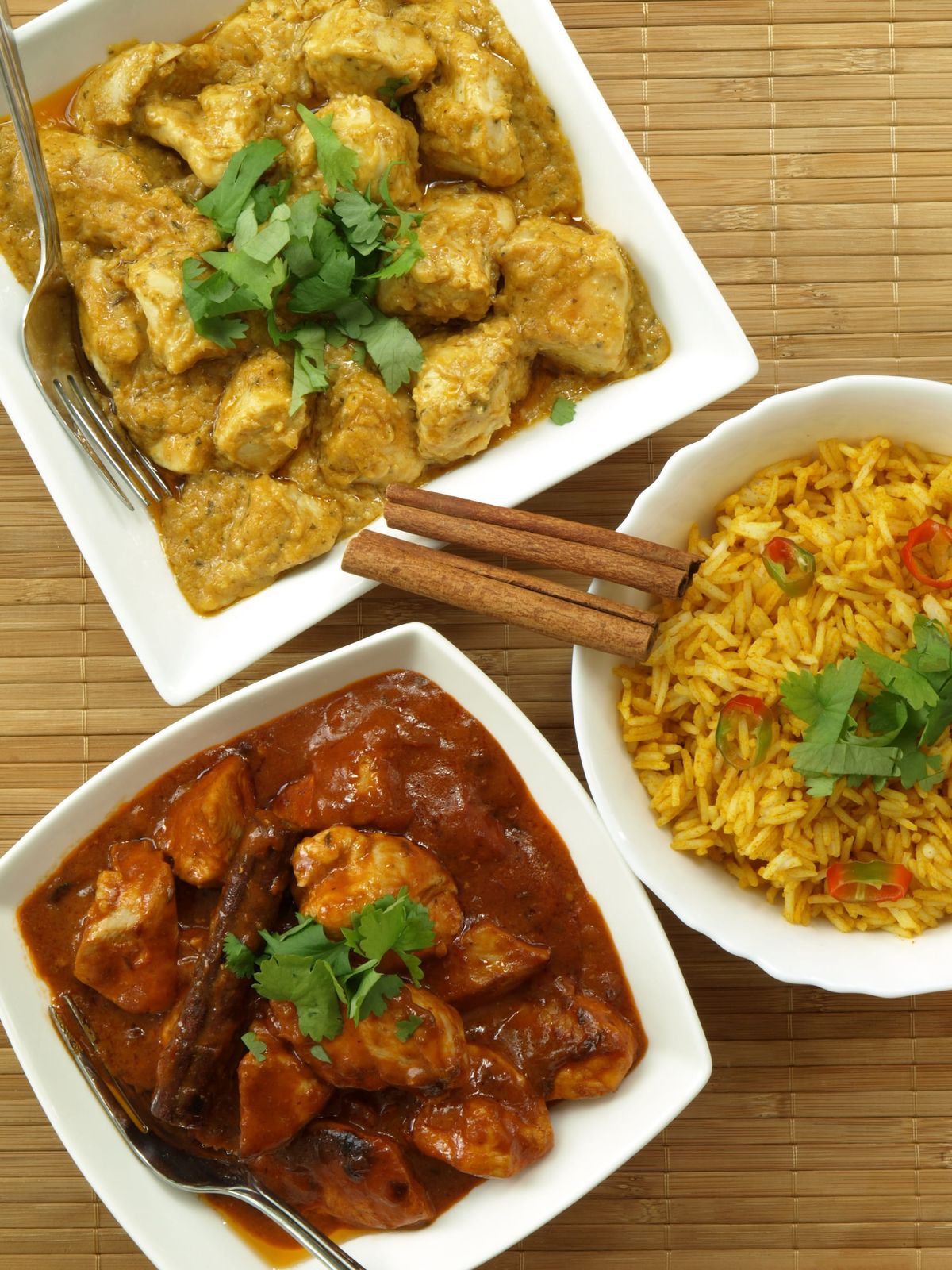
Indian Food Industry
Indian food represents one of humanity's great culinary achievements—a living tradition that spans thousands of years while continuously evolving. From the agricultural fields to restaurant tables worldwide, Indian cuisine embodies diversity, innovation, and deep cultural meaning.

Indian cuisine
India's culinary landscape is as diverse as its people, with each region offering distinct flavors and specialties: It encompasses a vast array of flavors, ingredients, and cooking techniques, reflecting the country's diverse geography and rich heritage.

Indian Vegetables
India's vegetable sector is a vital component of its agricultural economy, providing nutrition, employment, and export earnings. With continued investment in infrastructure, research, and sustainable practices, India is poised to strengthen its position in the global vegetable market.

Indian Fruits
Indian fruits are a remarkable blend of flavor, nutrition, cultural relevance, and economic potential. With increasing investments in technology, infrastructure, and global market access, India is well-positioned to lead the world.

Indian Industry
India's economy has evolved into a multifaceted system encompassing traditional sectors like agriculture and textiles, as well as cutting-edge industries such as pharmaceuticals, information technology, and renewable energy.

Rajasthan India
Rajasthan: The Regal Heartland of India Rajasthan, India's largest state by area, is a vibrant tapestry of royal heritage, desert landscapes, and rich traditions. Located in the northwestern part of India, this land of kings is famed for its majestic palaces, imposing forts, colorful festivals, and enduring folklore t
More in keralafood

Kerala India
Kerala is located on the southwestern Malabar Coast of India.37 It is a narrow strip of land bordered by the Arabian Sea to the west and the Western Ghats to the east.38 The state can be divided into three geographical zones: the coastal lowlands, the midlands, and the highlands (Western Ghats).