

India's culinary landscape is as diverse as its people, with each region offering distinct flavors and specialties: It encompasses a vast array of flavors, ingredients, and cooking techniques, reflecting the country's diverse geography and rich heritage.
Indian cuisine is a vibrant tapestry woven from centuries of cultural, religious, and regional influences. It encompasses a vast array of flavors, ingredients, and cooking techniques, reflecting the country's diverse geography and rich heritage.
🌍 Regional Cuisines: A Culinary Mosaic
India's culinary landscape is as diverse as its people, with each region offering distinct flavors and specialties:
North India
Characterized by hearty dishes, the north boasts rich curries, tandoori preparations, and an array of breads like naan and paratha. Staples include wheat, dairy, and meats, with popular dishes like butter chicken and paneer tikka.
South India
Known for its use of rice, coconut, and lentils, southern cuisine offers dishes like dosa, idli, and sambar. The flavors are often tangy and spicy, with a variety of chutneys and pickles.
East India
This region emphasizes rice and fish, especially in Bengali cuisine, which is renowned for its sweets like rasgulla and sandesh. Mustard oil and panch phoron (a five-spice blend) are common flavoring agents.
West India
Western India presents a mix of vegetarian and non-vegetarian dishes. Gujarati cuisine is predominantly vegetarian with a sweet undertone, while Goan cuisine, influenced by Portuguese colonization, features seafood and pork dishes like vindaloo.
🥬 Dietary Practices and Religious Influences
Dietary habits in India are deeply intertwined with religious beliefs:
Hinduism : Many Hindus practice vegetarianism, avoiding beef due to the cow's sacred status. However, dietary practices can vary widely among different communities.
Islam : Muslims abstain from pork and consume halal meats.
Jainism : Jains follow strict vegetarianism, avoiding root vegetables to prevent harm to microorganisms, and often exclude onions and garlic from their diet.
Christianity and Other Religions : Dietary practices among Christians and other religious groups are diverse, with some communities consuming beef and pork.
🍗 Meat, Fish, and Poultry Consumption
While vegetarianism is prevalent, especially in the north and west, non-vegetarian dishes are integral to many regional cuisines:
Meat : Chicken and mutton are widely consumed across the country.
Fish : Coastal regions like Kerala, Bengal, and Goa have a rich tradition of fish-based dishes.
Poultry : Eggs and chicken are common in various preparations, from curries to street food.
🌾 Key Ingredients and Spices
Indian cooking utilizes a plethora of ingredients:
Grains : Rice and wheat are staples, with regional preferences influencing their prominence.
Legumes : Lentils (dal), chickpeas, and beans are essential protein sources, especially in vegetarian diets.
Spices : A defining feature of Indian cuisine, spices like turmeric, cumin, coriander, and garam masala blends impart depth and complexity to dishes.
🌐 Food Exports and Industry
India is a significant player in the global food market:
Exports : In 2022-23, India's food and beverage exports reached $48.6 billion, with rice being a major contributor.
Major Companies : Prominent food processing companies include Kohinoor Foods, KRBL, and Gujarat Ambuja Exports, which play vital roles in both domestic markets and exports.
🛡️ Challenges and Quality Concerns
Despite its strengths, the Indian food industry faces challenges:
Contamination Issues : In 2024, Indian spices came under scrutiny globally due to the detection of carcinogenic ethylene oxide in products from major brands, leading to recalls and increased regulatory oversight.
Regulatory Measures : The Spices Board of India has advised manufacturers to cease using ethylene oxide and ensure compliance with international safety standards.
More in food

People of India
The Indian way of life defies simple characterization, embodying both timeless continuity and dynamic change. What remains consistent is the extraordinary capacity for synthesis—integrating new influences while maintaining core cultural values.

Indian Vegetables
India's vegetable sector is a vital component of its agricultural economy, providing nutrition, employment, and export earnings. With continued investment in infrastructure, research, and sustainable practices, India is poised to strengthen its position in the global vegetable market.

Indian Food Trends
he diversity of Indian food is unparalleled, ranging from the robust tandoori dishes of Punjab to the delicate steamed delights of the Northeast, and from coastal seafood feasts in Kerala to the rich vegetarian platters of Gujarat.

Kerala Food
Kerala cuisine is not just food; it is a celebration of life, land, and legacy. Each dish tells a story of migration, community, and adaptation. Whether it's a humble thoran or a rich biryani, every bite of Kerala food connects you to the lush landscapes and layered traditions of God's Own Country.
More in indian food

Jackfruit - Chakka
From sweet chips to diabetic-friendly flour, jackfruit has become a superfood success story in Kerala. Its transformation reflects not just agricultural potential but also Kerala’s cultural richness, innovation, and sustainable approach to food.

Indian Agriculture
Indian agriculture stands at a crossroads, balancing its traditional role as a livelihood provider with emerging demands for sustainability, efficiency, and nutritional security. The sector's evolution will determine not just India's food future but also its ability to address rural prosperity
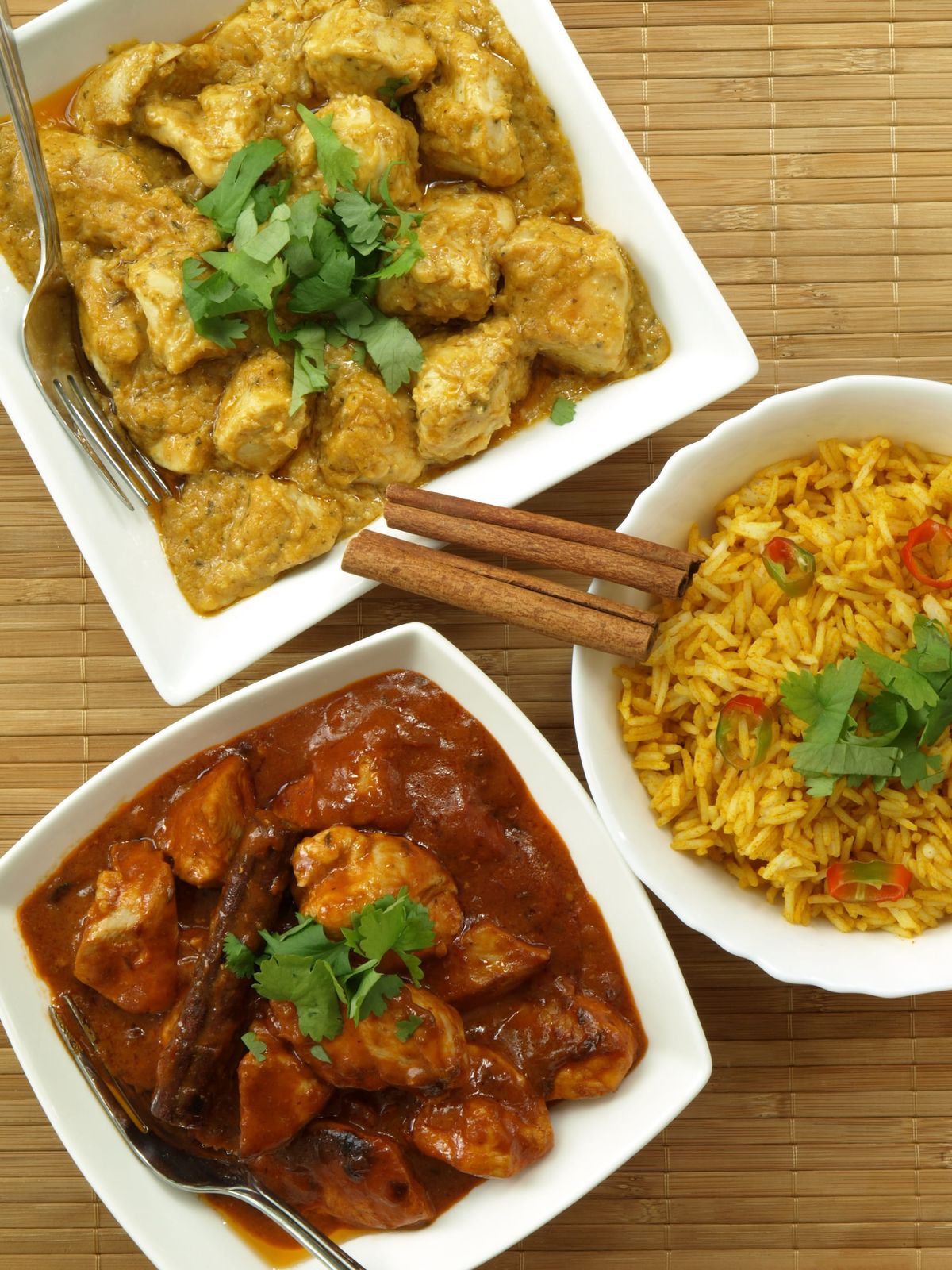
Indian Food Industry
Indian food represents one of humanity's great culinary achievements—a living tradition that spans thousands of years while continuously evolving. From the agricultural fields to restaurant tables worldwide, Indian cuisine embodies diversity, innovation, and deep cultural meaning.

Indian Fruits
Indian fruits are a remarkable blend of flavor, nutrition, cultural relevance, and economic potential. With increasing investments in technology, infrastructure, and global market access, India is well-positioned to lead the world.

Indian Industry
India's economy has evolved into a multifaceted system encompassing traditional sectors like agriculture and textiles, as well as cutting-edge industries such as pharmaceuticals, information technology, and renewable energy.

Rajasthan India
Rajasthan: The Regal Heartland of India Rajasthan, India's largest state by area, is a vibrant tapestry of royal heritage, desert landscapes, and rich traditions. Located in the northwestern part of India, this land of kings is famed for its majestic palaces, imposing forts, colorful festivals, and enduring folklore t

Indian Food Explored
India boasts its own unique culinary traditions, influenced by local ingredients and cultural practices. From the spicy curries of the South to the rich gravies of the North, Indian food offers a journey that tantalizes the taste buds and nourishes the soul.
More in keralafood

Kerala India
Kerala is located on the southwestern Malabar Coast of India.37 It is a narrow strip of land bordered by the Arabian Sea to the west and the Western Ghats to the east.38 The state can be divided into three geographical zones: the coastal lowlands, the midlands, and the highlands (Western Ghats).