

India's vegetable sector is a vital component of its agricultural economy, providing nutrition, employment, and export earnings. With continued investment in infrastructure, research, and sustainable practices, India is poised to strengthen its position in the global vegetable market.
Certainly! Here's a comprehensive article on Indian Vegetables: Cultivation, Irrigation, Storage, Transportation, Availability, Statewide Production, Adaptation, and Exports :
🥦 Indian Vegetables: Cultivation, Infrastructure, and Global Reach
India stands as the second-largest producer of vegetables globally, following China. The country's diverse agro-climatic zones facilitate the cultivation of a wide array of vegetables, contributing significantly to both domestic consumption and international exports.
🌱 Cultivation and Irrigation Practices
Major Vegetable Crops
India's vegetable basket includes:
Potato : Predominantly grown in Uttar Pradesh, West Bengal, and Bihar.
Onion : Maharashtra, Karnataka, and Madhya Pradesh are leading producers.
Tomato : Andhra Pradesh, Madhya Pradesh, and Karnataka dominate production.
Brinjal (Eggplant) : West Bengal and Odisha are major contributors.
Cabbage and Cauliflower : Extensively cultivated in West Bengal and Bihar.
Jackfruit: Kerala and Tamil Nadu produces the vast quantity of jackfruit and is transported to various parts of India.
Irrigation Techniques
Efficient irrigation is crucial for vegetable cultivation:
Drip Irrigation : Widely adopted for crops like tomato and capsicum, especially in water-scarce regions.
Sprinkler Systems : Utilized for leafy vegetables to ensure uniform water distribution.
Traditional Methods : Still prevalent in many regions, though modernization efforts are underway.
🏬 Storage and Transportation Infrastructure
Post-harvest management is vital to reduce losses:
Cold Storage Facilities : India has been expanding its cold storage capacity to preserve perishable vegetables.
Refrigerated Transport : The use of reefer trucks is increasing, ensuring freshness during transit.
Processing Units : Value addition through processing (e.g., frozen vegetables) is gaining momentum.
📊 State-wise Production Overview
India's vegetable production is concentrated in several key states:
West Bengal : Leading in overall vegetable production, with significant outputs of brinjal and cabbage.
Uttar Pradesh : Major producer of potatoes and peas.
Bihar : Known for substantial production of cauliflower and okra.
Madhya Pradesh : Significant contributor to tomato and onion production.
Maharashtra : Dominates in onion production and has a growing area under capsicum cultivation.
🌍 Export Dynamics
India's vegetable exports have been on an upward trajectory:
Export Value : In the financial year 2023-24, fruit and vegetable exports rose by 14% to $3.7 billion.
Key Markets : United States, Europe, Middle East, and neighboring countries like Bangladesh and Nepal.
Major Exported Vegetables : Onions, okra, bitter gourd, and green chilies are among the top exported items.
🔄 Adaptation and Innovation
To meet both domestic and global demands, India is focusing on:
High-Yield Varieties : Development of disease-resistant and high-yield vegetable varieties.
Protected Cultivation : Use of greenhouses and polyhouses for crops like capsicum and cucumber.
Organic Farming : Increasing adoption of organic practices to cater to health-conscious consumers.
🛡️ Government Initiatives
Several programs support the vegetable sector:
Operation Greens : Aims to stabilize the supply and prices of tomato, onion, and potato (TOP) crops by promoting Farmer Producer Organizations (FPOs), agri-logistics, and processing facilities.
Mission for Integrated Development of Horticulture (MIDH) : Provides financial assistance for the development of the horticulture sector, including vegetables.
🧭 Conclusion
India's vegetable sector is a vital component of its agricultural economy, providing nutrition, employment, and export earnings. With continued investment in infrastructure, research, and sustainable practices, India is poised to strengthen its position in the global vegetable market.
More in vegetables
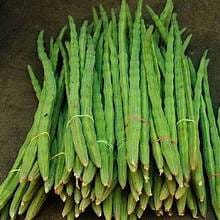
Moringa - Sahajan - Senjana
The Moringa tree is not just another green plant—it is a potential lifesaver in the fight against malnutrition and disease. As its popularity slowly grows in health circles, it’s imperative to ensure that this miracle tree is not only celebrated but also protected from waste and ignorance.

Vegetarianism
Indian vegetarian cuisine is diverse, flavorful, and deeply rooted in tradition. Whether you’re craving Kerala’s coconut-infused curries, Gujarat’s sweet-spicy thalis, or Jain fasting foods, India offers endless plant-based delights.

Indian cuisine
India's culinary landscape is as diverse as its people, with each region offering distinct flavors and specialties: It encompasses a vast array of flavors, ingredients, and cooking techniques, reflecting the country's diverse geography and rich heritage.
More in food

People of India
The Indian way of life defies simple characterization, embodying both timeless continuity and dynamic change. What remains consistent is the extraordinary capacity for synthesis—integrating new influences while maintaining core cultural values.

Indian Food Trends
he diversity of Indian food is unparalleled, ranging from the robust tandoori dishes of Punjab to the delicate steamed delights of the Northeast, and from coastal seafood feasts in Kerala to the rich vegetarian platters of Gujarat.

Kerala Food
Kerala cuisine is not just food; it is a celebration of life, land, and legacy. Each dish tells a story of migration, community, and adaptation. Whether it's a humble thoran or a rich biryani, every bite of Kerala food connects you to the lush landscapes and layered traditions of God's Own Country.
More in indian food

Jackfruit - Chakka
From sweet chips to diabetic-friendly flour, jackfruit has become a superfood success story in Kerala. Its transformation reflects not just agricultural potential but also Kerala’s cultural richness, innovation, and sustainable approach to food.

Indian Agriculture
Indian agriculture stands at a crossroads, balancing its traditional role as a livelihood provider with emerging demands for sustainability, efficiency, and nutritional security. The sector's evolution will determine not just India's food future but also its ability to address rural prosperity
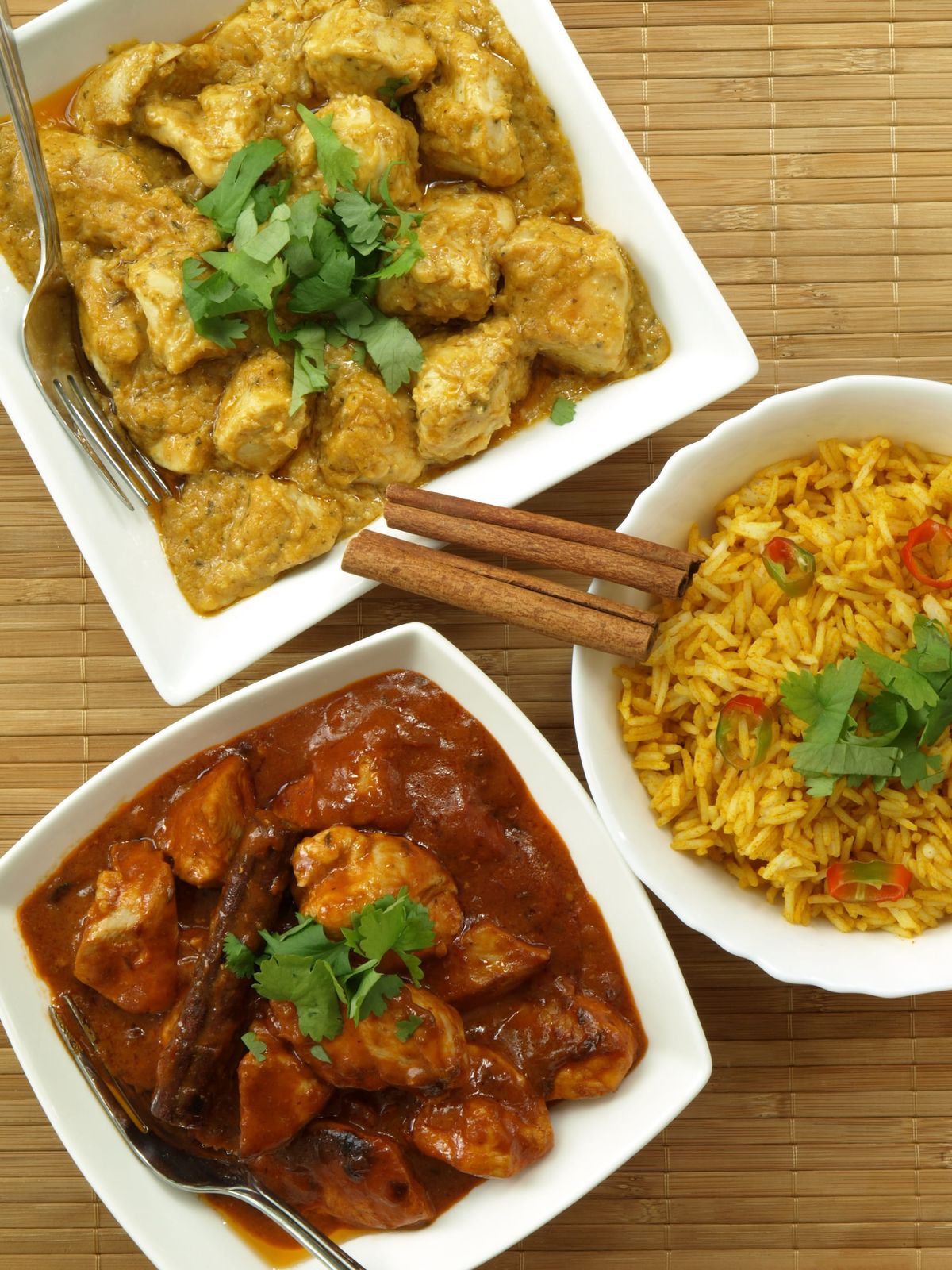
Indian Food Industry
Indian food represents one of humanity's great culinary achievements—a living tradition that spans thousands of years while continuously evolving. From the agricultural fields to restaurant tables worldwide, Indian cuisine embodies diversity, innovation, and deep cultural meaning.

Indian Fruits
Indian fruits are a remarkable blend of flavor, nutrition, cultural relevance, and economic potential. With increasing investments in technology, infrastructure, and global market access, India is well-positioned to lead the world.

Indian Industry
India's economy has evolved into a multifaceted system encompassing traditional sectors like agriculture and textiles, as well as cutting-edge industries such as pharmaceuticals, information technology, and renewable energy.

Rajasthan India
Rajasthan: The Regal Heartland of India Rajasthan, India's largest state by area, is a vibrant tapestry of royal heritage, desert landscapes, and rich traditions. Located in the northwestern part of India, this land of kings is famed for its majestic palaces, imposing forts, colorful festivals, and enduring folklore t

Indian Food Explored
India boasts its own unique culinary traditions, influenced by local ingredients and cultural practices. From the spicy curries of the South to the rich gravies of the North, Indian food offers a journey that tantalizes the taste buds and nourishes the soul.