

Kerala cuisine is not just food; it is a celebration of life, land, and legacy. Each dish tells a story of migration, community, and adaptation. Whether it's a humble thoran or a rich biryani, every bite of Kerala food connects you to the lush landscapes and layered traditions of God's Own Country.
Kerala Cuisine: A Culinary Journey Through God’s Own Country
Kerala, nestled along the southwestern coast of India, is renowned for its lush landscapes, serene backwaters, and rich cultural traditions. But one of its most captivating aspects is its diverse and deeply flavorful cuisine , which reflects the region's geography, history, religious diversity, and trade influences. Known for its generous use of coconut, spices, and rice, Kerala's culinary offerings are a vibrant blend of vegetarian and non-vegetarian delights.
1. Vegetarian Delicacies: Simplicity with Complexity
Vegetarian food in Kerala is primarily associated with the Hindu population and temple traditions. The dishes are typically light, balanced, and packed with flavor, thanks to the use of coconut, curry leaves, mustard seeds, green chilies, and turmeric.
Avial : A semi-thick mixture of vegetables cooked with grated coconut, yogurt, and coconut oil.
Thoran : A dry dish made of finely chopped vegetables like cabbage, beans, or carrot, sautéed with coconut and tempered spices.
Olan : A light, subtle curry made with white pumpkin, coconut milk, and black-eyed peas.
Kaalan : A sour curry made with yogurt, coconut, and raw banana or yam.
Sambar and Rasam : Staple lentil-based dishes, with regional Kerala twists using native vegetables and spice blends.
These vegetarian preparations are often part of a grand feast known as "Onasadya," served during the harvest festival of Onam , where over 25 different dishes are traditionally laid out on a banana leaf.
2. Non-Vegetarian Specialties: From Land and Sea
Kerala's abundant coastline and backwaters make seafood a staple, while meats like chicken, beef, pork, and duck are central to the diets of the Christian and Muslim communities.
Meen Curry : A tangy and spicy fish curry made with kokum or tamarind and spiced coconut paste.
Karimeen Pollichathu : Pearl spot fish marinated in spices, wrapped in banana leaves, and grilled.
Chemmeen Curry : Prawn curry with coconut milk and roasted spices.
Fish Moilee : A mildly spiced fish stew simmered in coconut milk, popular in Christian households.
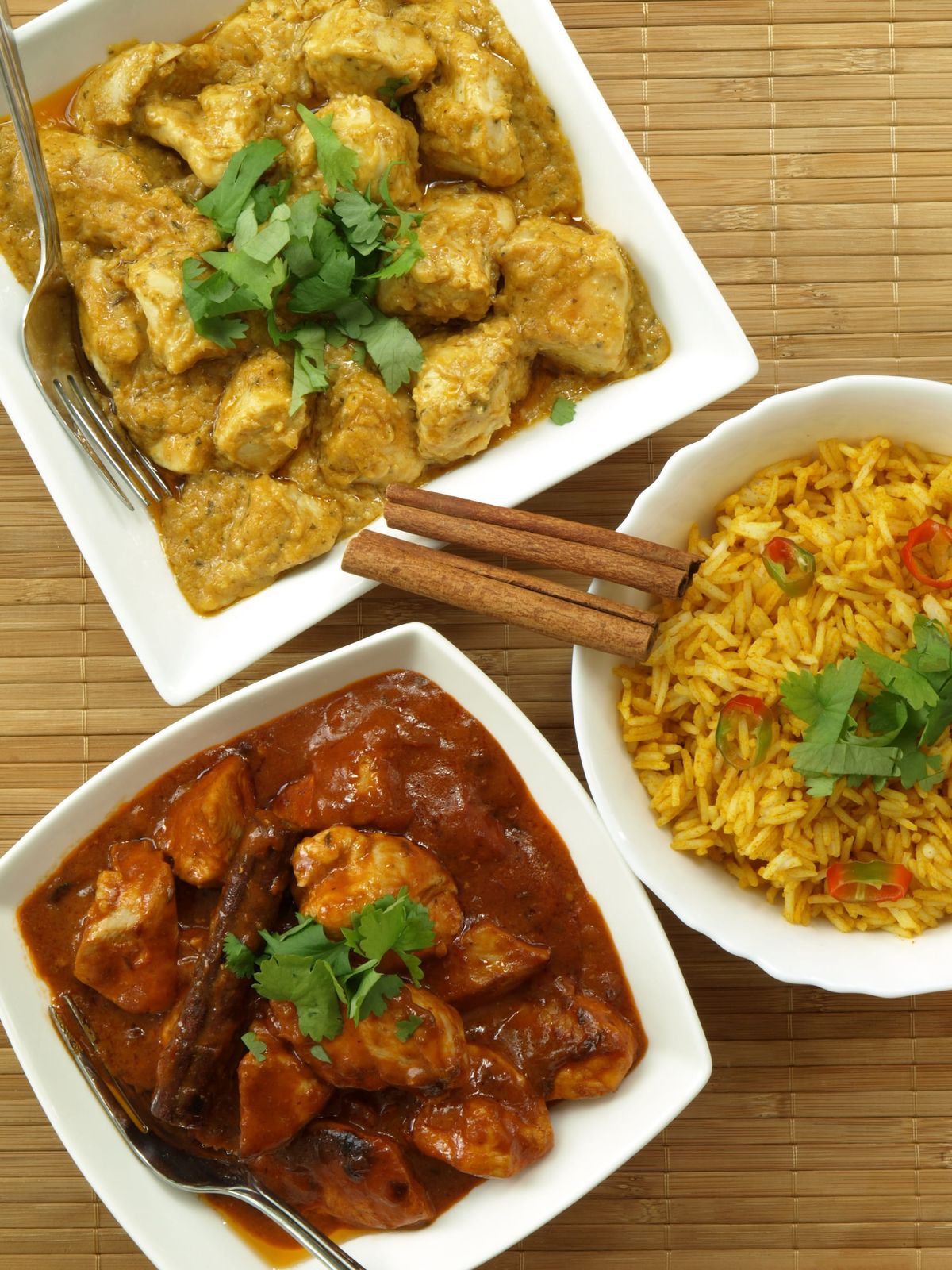
Nadan Kozhi Curry : Traditional spicy chicken curry.
Thalassery Chicken Biryani : A Malabar specialty biryani with fragrant rice and chicken.
Beef Ularthiyathu : A dry beef fry with coconut slices and spices.
Pork Peralan : This is spicy and semi-dry pork dish sometimes with added coconut chips.
Duck Roast : Common in festive Christian feasts, cooked with rich spices and coconut.
3. Regional Distinctions: Malabar and Travancore Cuisines
The Malabar region, influenced heavily by Arab traders, is known for rich, spice-laden dishes and the liberal use of ghee.
Pathiri : Rice pancakes served with curry.
Kuzhi Mandi : Yemeni-influenced rice and meat dish.
Kallummakkaya (Mussels) Curry : A seafood delicacy in Kozhikode.
This region leans more towards vegetarianism, with subtle and less spicy dishes.
Kootu Curry : A dry dish of yam and chickpeas.
Inji Puli : Tamarind and ginger chutney.
Theeyal : Roasted coconut-based curry.
4. Onasadya: The Grand Vegetarian Feast
One of Kerala's most iconic culinary events is the Onasadya , a 26+ item vegetarian feast served on banana leaves during Onam . Key dishes include:
Parippu (dal)
Sambar
Avial
Pachadi and Kichadi (yogurt-based sides)
Olan, Erissery
Banana chips and Sharkara Varatti (jaggery-coated chips)
Pappadam
Payasam varieties like Ada Pradhaman and Parippu Payasam
Each dish plays a symbolic role, representing various aspects of life and harvest.
5. Global Adaptation and Popularity
With a growing diaspora and global curiosity in Indian cuisine, Kerala dishes have found their place in restaurants from Dubai to New York. Dishes like appam with stew, Kerala parotta with beef, and banana leaf meals are now staples in international Indian dining experiences. Vegan and gluten-free eaters find Kerala cuisine appealing due to its rice and coconut base.
6. Traditional Cooking Techniques and Ingredients
Kerala cuisine extensively uses:
Coconut (grated, milk, oil)
Spices (black pepper, cardamom, cloves, cinnamon)
Tamarind and Kokum
Fresh Curry Leaves and Mustard Seeds Traditional cooking is done in clay pots over wood fires, giving a smoky flavor that modern adaptations often strive to replicate.
Conclusion
Kerala cuisine is not just food; it is a celebration of life, land, and legacy. Each dish tells a story of migration, community, and adaptation. Whether it's a humble thoran or a rich biryani, every bite of Kerala food connects you to the lush landscapes and layered traditions of God's Own Country.
More in indian food

Jackfruit - Chakka
From sweet chips to diabetic-friendly flour, jackfruit has become a superfood success story in Kerala. Its transformation reflects not just agricultural potential but also Kerala’s cultural richness, innovation, and sustainable approach to food.

Indian Agriculture
Indian agriculture stands at a crossroads, balancing its traditional role as a livelihood provider with emerging demands for sustainability, efficiency, and nutritional security. The sector's evolution will determine not just India's food future but also its ability to address rural prosperity
Indian Food Industry
Indian food represents one of humanity's great culinary achievements—a living tradition that spans thousands of years while continuously evolving. From the agricultural fields to restaurant tables worldwide, Indian cuisine embodies diversity, innovation, and deep cultural meaning.

Indian cuisine
India's culinary landscape is as diverse as its people, with each region offering distinct flavors and specialties: It encompasses a vast array of flavors, ingredients, and cooking techniques, reflecting the country's diverse geography and rich heritage.

Indian Vegetables
India's vegetable sector is a vital component of its agricultural economy, providing nutrition, employment, and export earnings. With continued investment in infrastructure, research, and sustainable practices, India is poised to strengthen its position in the global vegetable market.

Indian Fruits
Indian fruits are a remarkable blend of flavor, nutrition, cultural relevance, and economic potential. With increasing investments in technology, infrastructure, and global market access, India is well-positioned to lead the world.

Indian Food Trends
he diversity of Indian food is unparalleled, ranging from the robust tandoori dishes of Punjab to the delicate steamed delights of the Northeast, and from coastal seafood feasts in Kerala to the rich vegetarian platters of Gujarat.

Indian Industry
India's economy has evolved into a multifaceted system encompassing traditional sectors like agriculture and textiles, as well as cutting-edge industries such as pharmaceuticals, information technology, and renewable energy.
More in news

Latest News
The political landscape is currently abuzz with discussions surrounding upcoming state elections in several regions. Parties are actively campaigning, focusing on issues ranging from economic development and job creation to social welfare programs.

Ayurveda
Discover the ancient wisdom of Ayurveda from the heart of Kerala with AyurKerala—a comprehensive resource for personalized wellness rooted in tradition. This platform offers in-depth guidance on Ayurvedic philosophy, dosha analysis, dietary and lifestyle recommendations, herbal remedies,

Andaman and Nicobar Islands India
The history of the Andaman and Nicobar Islands is marked by isolation and late integration into the Indian mainland's narrative. Archaeological evidence suggests human habitation on these islands dating back several thousand years.

Dadra and Nagar Haveli and Daman and Diu India
Dadra and Nagar Haveli: Unlike the surrounding areas, Dadra and Nagar Haveli was under Portuguese rule from 1783 until the mid-20th century.

Chandigarh India
The history of the area around Chandigarh dates back to the Indus Valley Civilization. Archaeological findings have revealed settlements in the region dating back thousands of years. However, the modern city of Chandigarh is a relatively recent creation.

Lakshadweep India
Lakshadweep is shrouded in mystery, with limited archaeological evidence. Local legends attribute the first settlement to the period of Cheraman Perumal, the last ruler of the Chera dynasty of Kerala.

Delhi India
Delhi's history spans several millennia, with evidence of continuous habitation from at least the 6th century BCE. It has served as the capital of numerous empires and kingdoms, each leaving its indelible mark on the city's landscape and culture.

Puducherry
Puducherry's history can be traced back to ancient times, with archaeological evidence suggesting Roman trade links in the vicinity. However, its documented history begins with the arrival of European traders. The Portuguese were the first to establish a factory in Puducherry in the 16th century.
More in kerala food

Wayanad Kerala
Wayanad offers far more than scenic vistas and adventure opportunities—it provides a window into the complex interplay between humanity and nature in one of India's most beautiful highland regions. As local communities work to define a sustainable path forward, Wayanad continues to evolve