

Kerala is located on the southwestern Malabar Coast of India.37 It is a narrow strip of land bordered by the Arabian Sea to the west and the Western Ghats to the east.38 The state can be divided into three geographical zones: the coastal lowlands, the midlands, and the highlands (Western Ghats).
Kerala: God's Own Country
Wikipedia Link: https://en.wikipedia.org/wiki/Kerala
Wikipedia Excerpt: "Kerala (/ˈkɛrələ/ (listen) KERALA (Malayalam: കേരളം, Kēraḷaṁ [keːɾaɭɐm] (listen))) is a state on the Malabar Coast of India. 1 It was formed on 1 November 1956 following the passage of the States Reorganisation Act, by combining Malayalam-speaking 2 regions of the erstwhile states of Travancore-Cochin and Madras 3 Presidency. 4 Geographically, Kerala encompasses the narrow, coastal plain of the Malabar Coast, the midlands and the forests of the Western Ghats. 5 With 2.8% of India's land area, it is the 21st largest Indian state by area. With close to 33 million inhabitants as per the 2011 census, Kerala is the thirteenth-most populous state in India. It is also the most densely populated state in India, with 859 people per square kilometre."
History
Kerala's history stretches back millennia, with evidence of early human settlements dating to the Neolithic age. The region had trade relations with ancient civilizations, including the Romans and Arabs, drawn by its spices. 6 Cheras, Pandyas, and Cholas were among the early ruling dynasties. The later medieval period saw the rise of smaller kingdoms like Venad, Kochi, and Kozhikode (Calicut), which played significant roles in maritime trade. 7
The arrival of European powers, starting with the Portuguese in the 15th century, significantly impacted Kerala's political and economic landscape. 8 They were followed by the Dutch and the British, who eventually gained dominance. The princely states of Travancore and Cochin, under British paramountcy, witnessed social and administrative reforms in the 19th and early 20th centuries. 9
The Indian independence movement saw active participation from Kerala. 10 After independence, the Malayalam-speaking regions were unified on November 1, 1956, to form the state of Kerala. 11 The state has since been known for its progressive social policies and high literacy rates. 12
Culture
Kerala's culture is a rich tapestry woven from ancient traditions and diverse influences. 13 Known for its vibrant art forms, classical music, and unique customs, the state holds a special place in India's cultural map. 14
Kathakali, a classical dance-drama known for its elaborate costumes and expressive storytelling, originated in Kerala. 15 Other significant art forms include Mohiniyattam (a graceful classical dance), Theyyam (a ritualistic folk art), and Koodiyattam (an ancient form of Sanskrit theatre).
Kerala's music includes Carnatic classical music, Sopanam music (temple music), and various folk music traditions. 16 Festivals are celebrated with great enthusiasm. Onam, the harvest festival, is the most significant, marked by elaborate feasts (Sadhya), boat races (Vallamkali), and floral carpets (Pookkalam). 17 Vishu (the Malayalam New Year) and Thrissur Pooram (a spectacular temple festival with caparisoned elephants) are also major celebrations. 18
Malayalam is the primary language spoken, with a rich literary tradition. 19
Art and Architecture
Kerala's art and architecture are distinctive, reflecting its climate, geography, and cultural influences. Traditional Kerala architecture is characterized by sloping tiled roofs, gabled windows, and the use of locally sourced materials like wood and laterite. The nalukettu (traditional courtyard house) is a classic example.
Temple architecture in Kerala has its own unique style, often featuring circular or square sreekovils (sanctum sanctorum) with conical or tiered roofs. The Padmanabhaswamy Temple in Thiruvananthapuram and the Vadakkunnathan Temple in Thrissur are prominent examples.
Kerala is known for its mural paintings, depicting scenes from Hindu epics, found in temples and palaces. 20 Wood carvings, especially on temple chariots and house facades, are intricate and detailed. 21 Traditional crafts include the making of Aranmula mirrors (a unique metal alloy mirror) and various items from coconut shells and coir. 22
Major Cities
Thiruvananthapuram (Trivandrum): The capital and largest city of Kerala, a major center for government, education, and technology. 23 As per the 2011 census, its population was around 752,490.
Kochi (Cochin): A major port city and commercial hub, known for its historical sites and cosmopolitan culture. 24 Its population was approximately 677,900 in 2011.
Kozhikode (Calicut): A historical city with a rich trading past and cultural heritage. Its population was around 609,224 in 2011.
Thrissur: The cultural capital of Kerala, known for its temples and the Thrissur Pooram festival. 25 Its population was around 315,957 in 2011.
Kollam (Quilon): 26 An ancient port city with a long history of maritime trade. 27 Its population was around 349,033 in 2011.
Temples and Palaces
Kerala is often referred to as "God's Own Country" due to its numerous temples and sacred sites. 28 Some prominent temples include:
Sree Padmanabhaswamy Temple, Thiruvananthapuram: A very old and significant temple dedicated to Lord Vishnu, known for its wealth and architectural grandeur. 29
Sabarimala Ayyappan Temple: One of the most visited pilgrimage centers in India, dedicated to Lord Ayyappan. 30
Guruvayur Temple: A major Krishna temple, often called the "Dwarka of the South." 31
Vadakkunnathan Temple, Thrissur: An ancient Shiva temple known for its traditional Kerala architecture and mural paintings. 32
Kerala also has a few notable palaces, reflecting its royal history: 33
Kanakakkunnu Palace, Thiruvananthapuram: A historical palace now used for cultural events. 34
Mattancherry Palace (Dutch Palace), Kochi: A Portuguese-built palace later renovated by the Dutch, known for its Kerala murals. 35
Hill Palace, Kochi: The largest archaeological museum in Kerala and the former residence of the Maharaja of Kochi. 36
Geography
Kerala is located on the southwestern Malabar Coast of India. 37 It is a narrow strip of land bordered by the Arabian Sea to the west and the Western Ghats to the east. 38 The state can be divided into three geographical zones: the coastal lowlands, the midlands, and the highlands (Western Ghats). 39 It boasts a network of backwaters, interconnected lagoons, and rivers. 40 The climate is tropical and humid, with heavy rainfall during the monsoon seasons. 41 Kerala is known for its lush greenery, diverse flora and fauna, and high biodiversity. 42
People and Ethnicity
According to the 2011 Census, the population of Kerala is 33,406,061. The majority of the people are Malayalis, speaking the Malayalam language. 43 The ethnic composition is diverse, with significant populations of Hindus, Christians, and Muslims, who have coexisted peacefully for centuries. 44 There are also smaller tribal communities residing in the highland regions.
Cuisine
Kerala's cuisine is diverse and flavorful, characterized by the use of coconut, spices, and rice. 45 Seafood is popular in the coastal regions, while a variety of vegetarian dishes are also widely enjoyed. 46 Some popular Kerala dishes include:
Sadya: A grand vegetarian feast served on a banana leaf, especially during Onam. 47
Appam and Stew: Lacy pancakes made from fermented rice batter served with a coconut milk-based stew. 48
Puttu and Kadala Curry: Steamed rice cylinders served with a black chickpea curry. 49
Fish Curry (various styles): Prepared with coconut milk, tamarind, or kokum. 50
Malabar Parotta and Beef Fry: Flaky layered flatbread served with spicy beef. 51
Idiyappam (String Hoppers) and Curry: Rice noodles served with vegetable or meat curry. 52
Waterways and Houseboats
Kerala's backwaters are a unique geographical feature and a major tourist attraction. 53 These interconnected lagoons, lakes, and canals offer scenic cruises, especially in Alleppey (Alappuzha). 54 Houseboats, traditionally known as kettuvallams , are a popular way to experience the backwaters, offering comfortable accommodation and delicious Kerala cuisine on board. 55
Hill Stations
The Western Ghats provide Kerala with several picturesque hill stations: 56
Munnar: Famous for its sprawling tea estates and mist-covered hills. 57
Wayanad: Known for its waterfalls, historical caves, and spice plantations.
Thekkady: Home to the Periyar National Park, known for its wildlife and scenic beauty. 58
Vagamon: Offers adventure activities like paragliding and is known for its scenic meadows. 59
Elephants
Elephants hold a special cultural significance in Kerala and are closely associated with temple festivals, especially Thrissur Pooram. 60 Caparisoned elephants are a majestic sight during these events. Several elephant sanctuaries and care centers are located in the state. 61
Tea Estates and Rubber Plantations
The highlands of Kerala are ideal for cultivating tea and rubber. 62 Munnar, Wayanad, and Idukki are major tea-growing regions with picturesque estates. 63 Rubber plantations are also widespread, contributing significantly to the state's economy. 64
Politics and Government
Kerala has a parliamentary system of government. The Governor is the constitutional head of the state, appointed by the President of India. 65 The Chief Minister is the head of the elected government and leads the Council of Ministers. 66 The state has a unicameral legislature, the Kerala Legislative Assembly. 67 Kerala sends 20 members to the Lok Sabha (lower house of the Indian Parliament) and 9 members to the Rajya Sabha (upper house). The political landscape of Kerala has historically been characterized by strong bi-polar coalitions.
Transportation
Kerala has a well-developed transportation network and national highways.
Roads
Kerala has a dense network of roads connecting all parts of the state. National Highways and state highways are well-maintained. However, the narrow and winding roads in some areas can lead to traffic congestion.
Airports
Kerala has four international airports:
Cochin International Airport (COK): The first fully solar-powered airport in the world.
Thiruvananthapuram International Airport (TRV).
Calicut International Airport (CCJ).
Kannur International Airport (CNN).
These airports provide excellent connectivity to major domestic and international destinations.
Rail Services
Kerala has a well-connected railway network, with major railway stations in all major cities and towns. The Southern Railway zone serves the state.
Major Train Stations
Some of the major train stations in Kerala include:
Thiruvananthapuram Central (TVC)
Ernakulam Junction (ERS) (Kochi)
Ernakulam Town (ERN) (Kochi)
Kozhikode (CLT)
Thrissur (TCR)
Kollam Junction (QLN)
Bridges
Kerala has numerous bridges, both road and rail, across its rivers and backwaters, facilitating seamless transportation.
Healthcare
Kerala is known for its high healthcare standards and accessibility. The state has a well-established network of government and private hospitals, primary health centers, and community health centers. The literacy and awareness levels contribute to better health outcomes. Ayurveda, the traditional system of medicine, is also widely practiced and promoted in Kerala.
IT Industry
Kochi and Thiruvananthapuram are emerging IT hubs in Kerala, with Technopark in Thiruvananthapuram being one of the largest IT parks in India. Infopark in Kochi is another significant IT hub. The state government is actively promoting the IT sector, attracting investments and creating employment opportunities.
Colleges and Universities
Kerala has a high literacy rate and a strong education system with numerous colleges and universities:
University of Kerala, Thiruvananthapuram.
Cochin University of Science and Technology (CUSAT), Kochi.
University of Calicut, Kozhikode.
Mahatma Gandhi University, Kottayam.
Kerala Agricultural University, Thrissur.
Indian Institute of Management Kozhikode (IIM Kozhikode).
National Institute of Technology Calicut (NIT Calicut).
Sree Chitra Tirunal Institute for Medical Sciences and Technology, Thiruvananthapuram (SCTIMST).
Education System
Kerala has a highly developed education system with a strong emphasis on literacy and quality. The state follows the 10+2 pattern of schooling. The Directorate of Public Instruction oversees school education. Kerala consistently ranks high in literacy rates and educational achievements in India.
Dams
Kerala has several dams, primarily built for hydroelectric power generation and irrigation, especially in the Western Ghats region. Some notable dams include the Idukki Dam (an arch dam), Mullaperiyar Dam, and Thenmala Dam.
Fishing
Fishing is a significant economic activity in Kerala, given its long coastline and backwaters. Both marine and inland fishing are practiced. Seafood is a staple part of the Kerala diet.
Cattle Farming
Cattle farming is practiced in Kerala, mainly for milk production. The state has various indigenous and crossbred cattle. Dairy cooperatives play a role in the milk industry.
Agriculture
Agriculture is an important sector, although the land area under cultivation is relatively small due to the state's high population density. Major crops include rice, coconut, rubber, spices (pepper, cardamom, cloves, ginger), and plantation crops like tea and coffee.
Industries
Kerala has a diverse industrial sector, including:
Tourism: A major contributor to the state's economy.
Manufacturing: Including fertilizers, chemicals, electronics, and wood-based products.
Food processing: Based on the state's agricultural and fisheries output.
Shipbuilding: Cochin Shipyard is a major shipbuilding and repair facility.
IT and IT-enabled services: Growing sector in Kochi and Thiruvananthapuram.
Food Industry
The food processing industry in Kerala is significant, focusing on processing coconut, seafood (shrimp), spices, rubber, and other agricultural products.
Milk Industry
The milk industry in Kerala is organized through cooperatives like Milma and private players, catering to the state's consumption needs.
Automobile Industry
Kerala has a limited presence in automobile manufacturing but has a significant number of dealers and service centers. Some auto component manufacturing units are also present.
Pineapple Cultivation
Kerala is a major producer of pineapple in India, with significant cultivation in regions like Vazhakulam. "Vazhakulam Pineapple" even has a Geographical Indication tag.
Textile Industry
Kerala's textile industry includes traditional handloom weaving, producing fabrics like Kasavu sarees (white sarees with golden borders), as well as modern garment manufacturing units. Coir industry, based on coconut fiber, is also a significant part of the textile sector.
More in india
Indian Economy
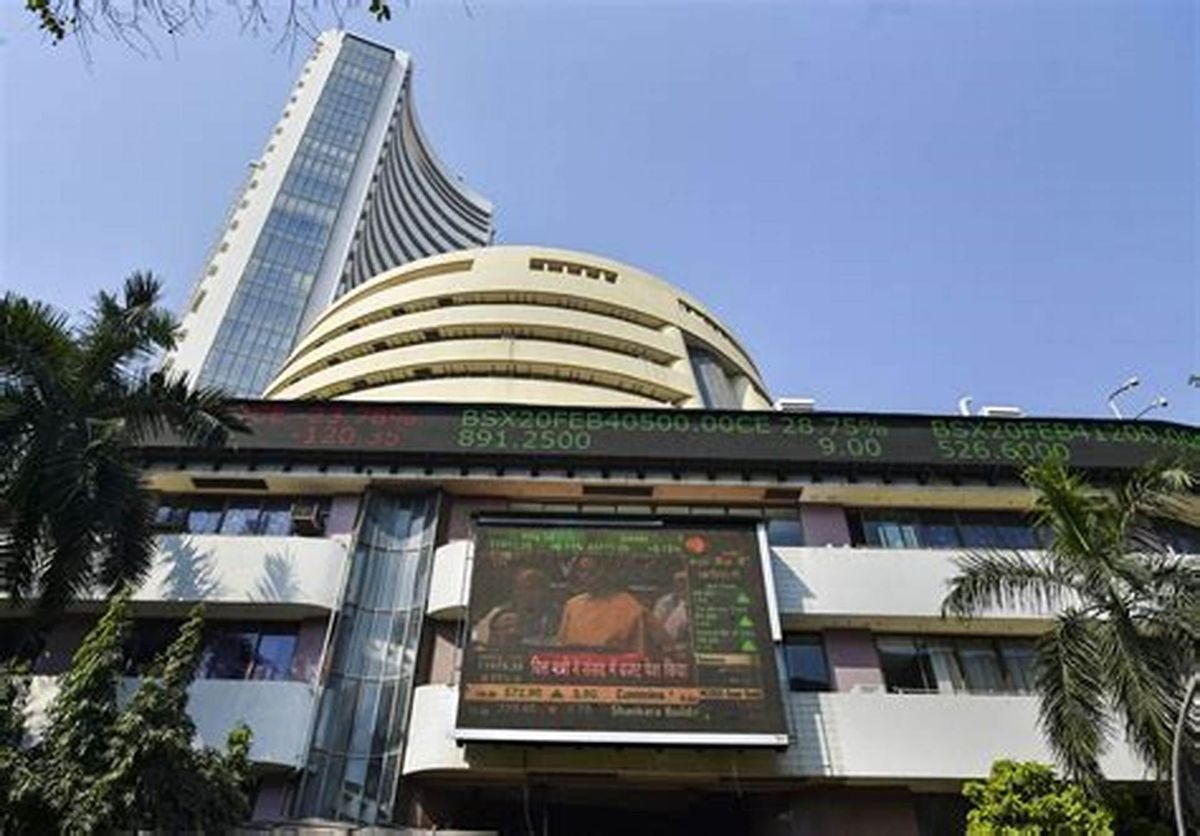
The Indian economy presents a complex picture of impressive achievements alongside persistent challenges. Its strengths include a large, youthful population; a vibrant entrepreneurial ecosystem; strong service sectors; and accelerating digital adoption.

Nuclear Bomb - What if?
Nuclear weapons are stored and maintained under extremely rigorous security and safety protocols. The most effective protection remains prevention of nuclear conflict through international diplomacy, arms control agreements, and crisis management mechanisms.

Indian Entertainment
When one thinks of Indian entertainment on a global scale, Bollywood immediately springs to mind. Based primarily in Mumbai, the Hindi film industry is a behemoth, producing a vast number of films annually, often characterized by their vibrant musical numbers

Indian Industry
India's economy has evolved into a multifaceted system encompassing traditional sectors like agriculture and textiles, as well as cutting-edge industries such as pharmaceuticals, information technology, and renewable energy.

Indian Cities
From the bustling metropolises that pulse with economic energy to the ancient centers steeped in history and culture, India's cities are the vibrant heartbeats of this diverse nation. These urban landscapes are dynamic microcosm.

Latest News
The political landscape is currently abuzz with discussions surrounding upcoming state elections in several regions. Parties are actively campaigning, focusing on issues ranging from economic development and job creation to social welfare programs.

Union Territories of India
Union territories are federal territories governed directly by the Central Government of India. Some UTs have their own legislatures and elected governments, while others are administered by appointed administrators or lieutenant governors.
Indian States
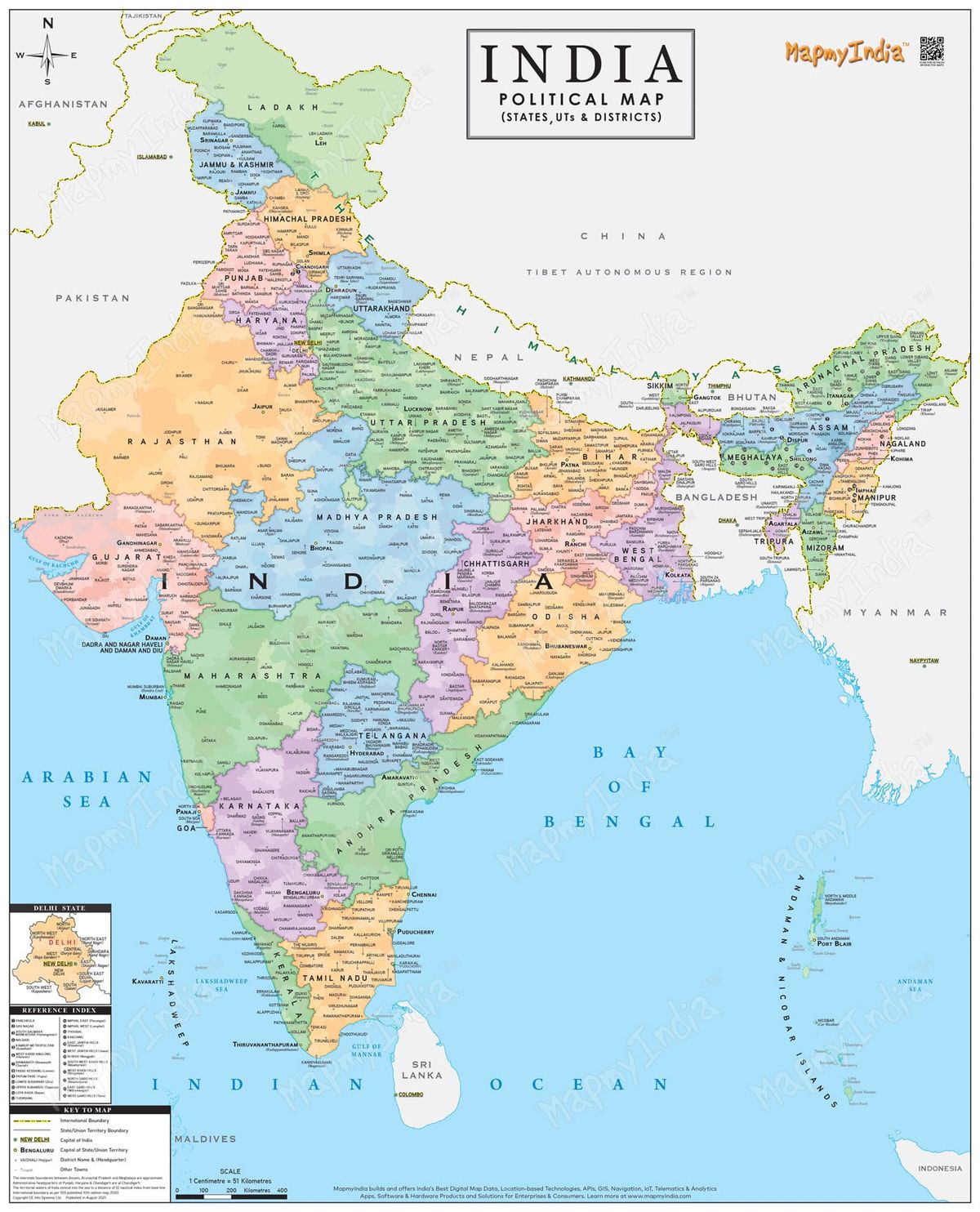
India comprises 28 states and 8 union territories, each with unique geographical features, economic strengths, cultural heritage, and governance structures. Each of these administrative divisions contributes uniquely to the nation's vibrant mosaic.
More in news

Ayurveda
Discover the ancient wisdom of Ayurveda from the heart of Kerala with AyurKerala—a comprehensive resource for personalized wellness rooted in tradition. This platform offers in-depth guidance on Ayurvedic philosophy, dosha analysis, dietary and lifestyle recommendations, herbal remedies,

Chandigarh India
The history of the area around Chandigarh dates back to the Indus Valley Civilization. Archaeological findings have revealed settlements in the region dating back thousands of years. However, the modern city of Chandigarh is a relatively recent creation.

Lakshadweep India
Lakshadweep is shrouded in mystery, with limited archaeological evidence. Local legends attribute the first settlement to the period of Cheraman Perumal, the last ruler of the Chera dynasty of Kerala.

Delhi India
Delhi's history spans several millennia, with evidence of continuous habitation from at least the 6th century BCE. It has served as the capital of numerous empires and kingdoms, each leaving its indelible mark on the city's landscape and culture.

Puducherry
Puducherry's history can be traced back to ancient times, with archaeological evidence suggesting Roman trade links in the vicinity. However, its documented history begins with the arrival of European traders. The Portuguese were the first to establish a factory in Puducherry in the 16th century.

Ladakh India
adakh's history is deeply intertwined with Tibetan culture and Buddhism. Archaeological evidence suggests settlements dating back to the Bronze Age. By the 1st century CE, Ladakh was part of the Kushan Empire. In the following centuries, it came under the influence of various Tibetan kingdoms.

Jammu and Kashmir India
The culture of Jammu and Kashmir is a vibrant blend of Hindu, Muslim, Sikh, and Buddhist traditions, reflecting the region's diverse history and geography. Distinct cultural identities are found in the Jammu, Kashmir Valley, and Ladakh regions.
More in keralafood

Indian cuisine
India's culinary landscape is as diverse as its people, with each region offering distinct flavors and specialties: It encompasses a vast array of flavors, ingredients, and cooking techniques, reflecting the country's diverse geography and rich heritage.

Indian Food Trends
he diversity of Indian food is unparalleled, ranging from the robust tandoori dishes of Punjab to the delicate steamed delights of the Northeast, and from coastal seafood feasts in Kerala to the rich vegetarian platters of Gujarat.