

The soul of Kolkata lies in its resilient spirit, intellectual tradition, and cultural richness that continue to define this eastern Indian metropolis as it moves forward in the 21st century. Kolkata was the first Indian city to develop a metro system:
The City of Joy - A Comprehensive Guide
Kolkata, formerly known as Calcutta, is a vibrant metropolis located in eastern India, serving as the capital of the state of West Bengal. Situated on the eastern bank of the Hooghly River, this historic city blends colonial heritage with Bengali culture, creating a unique urban landscape that has earned it the moniker "City of Joy."
Demographics & People
Kolkata is home to approximately 14.8 million people in its metropolitan area, making it one of India's most populous urban centers. The city's population is predominantly Bengali, though it hosts diverse communities including Marwaris, Biharis, Chinese, Anglo-Indians, and various religious groups. The population density is among the highest in India, with some areas exceeding 24,000 people per square kilometer.
Despite rapid development in certain sectors, economic disparity remains visible. The city houses both affluent neighborhoods with modern amenities and sprawling slums where residents face significant challenges in accessing basic services.
Infrastructure & Transportation
Waterways
The Hooghly River forms Kolkata's western boundary and serves as a crucial waterway. The city operates:
Multiple ferry services connecting various ghats (river banks)
Circular water transport routes serving both commuters and tourists
The Millennium Park riverfront development with recreational boating options
Airports
Netaji Subhas Chandra Bose International Airport, located in Dum Dum (approximately 17 km from the city center), serves as the primary aviation hub for eastern India. The modernized terminal handles both domestic and international flights, with increasing connectivity to global destinations.
Railways
Kolkata boasts an extensive rail network:
Howrah Station, one of India's busiest railway stations, connecting the city to the national railway grid
Sealdah Station, another major terminal handling suburban and long-distance trains
Kolkata Station (Chitpur) serving as a tertiary hub for long-distance trains
The suburban rail network, operated by Eastern Railway and South Eastern Railway, forms the backbone of daily commuter transportation, carrying millions of passengers daily between Kolkata and its surrounding districts.
Metro System
Kolkata was the first Indian city to develop a metro system:
North-South Line (Blue Line): The oldest line running from Dakshineswar to Kavi Subhash
East-West Line (Green Line): Partially operational, connecting Salt Lake to Howrah (under the Hooghly River)
Several additional lines under construction or planned as part of an ambitious expansion project
Road Network and Transportation
Road infrastructure includes:
Major arterial roads like C.R. Avenue, A.J.C. Bose Road, and E.M. Bypass
The Vidyasagar Setu and Howrah Bridge connecting Kolkata with Howrah
Extensive public bus network operated by government and private entities
The iconic yellow Ambassador taxis and newer app-based ride services
Auto-rickshaws operating on fixed routes
Electric trams, though their network has diminished significantly
Long-Distance Bus Services
The city serves as a hub for bus connections to neighboring states and destinations within West Bengal. Major terminals include:
Esplanade Bus Terminal
Babughat Bus Terminal
Salt Lake Bus Terminal
Multiple private bus operators offering services to destinations throughout eastern India
Urban Management & Development
City Administration
Kolkata is governed by the Kolkata Municipal Corporation (KMC), responsible for civic infrastructure and services across 144 wards. The city faces ongoing challenges in:
Maintaining aging infrastructure
Managing population density
Delivering municipal services efficiently
Balancing development with heritage preservation
Waste Management
The city generates over 4,000 tons of solid waste daily. While collection systems have improved, challenges persist in:
Waste segregation at source
Processing and disposal methods
Management of construction debris
Plastic waste reduction
Water Supply & Sources
Kolkata draws water primarily from the Hooghly River, treating it at facilities in Palta and Garden Reach. Water distribution remains inconsistent across neighborhoods, with some areas experiencing regular shortages and quality issues.
Climate & Environmental Challenges
Kolkata experiences a tropical wet-and-dry climate with:
Hot, humid summers (March-June)
Monsoon season (June-September) with heavy rainfall
Mild, dry winters (November-February)
Annual flooding affects low-lying areas, particularly during the monsoon when drainage systems become overwhelmed. Climate change has intensified these challenges, with more frequent extreme weather events.
Economy & Business
Traditional Industries
Several traditional industries have historically defined Kolkata's economy:
Jute manufacturing, once the backbone of the industrial sector
Port-related activities along the Hooghly
Tea trading and processing
Leather production
Handicrafts and traditional manufacturing
Shipping & Ports
The Kolkata Port Trust operates:
Kolkata Dock System on the eastern bank of the Hooghly
Haldia Dock Complex downstream
Facilities handling bulk cargo, containers, and passenger vessels
Despite limitations due to river silting and draft restrictions, the port remains significant for eastern India's trade.
Information Technology Sector
Salt Lake Electronics Complex (Sector V) and New Town have emerged as IT hubs hosting:
Major multinational technology companies
Business process outsourcing operations
Software development centers
IT startups and incubators
The sector has generated significant employment opportunities, though the city faces competition from other Indian tech centers.
Fish & Food Markets
Kolkata's markets form vital economic and cultural spaces:
New Market (Hogg Market): Historic colonial-era shopping complex
College Street: Famous book market
Gariahat Market: Popular retail area
Baghbazar and Maniktala for fresh produce
Lake Market and Sealdah Market for fish and meat
The fishing industry remains important, with major fish markets like Howrah Fish Market and Bentinck Street Market serving both wholesale and retail customers.
Culture & Lifestyle
Food Culture
Kolkata's cuisine reflects its history and diversity:
Bengali dishes emphasizing fish, rice, and mustard
Chinese-Indian fusion food in Tangra (Chinatown)
North Indian influences in various restaurants
Street food culture centered around phuchka (panipuri), jhal muri, and rolls
Traditional sweets like sandesh, rosogolla, and mishti doi
Famous eating districts include Park Street, Esplanade, and College Street, offering everything from upscale dining to affordable street food.
Accommodation
The hospitality sector includes:
Luxury hotels in central and eastern Kolkata
Heritage properties converted into boutique accommodations
Mid-range business hotels
Budget lodgings and hostels
Serviced apartments catering to long-term visitors
Religious Sites & Practices
Kolkata hosts significant religious centers:
Dakshineswar Kali Temple and Kalighat Temple
St. Paul's Cathedral and other colonial-era churches
Nakhoda Mosque and other Islamic centers
Jain temples in Taltala
Chinese temples in Tiretta Bazaar
Parsi fire temple
Various Sikh gurdwaras
The city celebrates religious festivals with extraordinary enthusiasm, particularly Durga Puja, which transforms Kolkata with thousands of elaborate pandals (temporary temples).
Entertainment & Arts
As Bengal's cultural capital, Kolkata offers:
Cinema halls ranging from multiplexes to historic single-screen theaters
The Bengali film industry (Tollywood) producing award-winning cinema
Vibrant theater scene with numerous production houses
Classical and contemporary music performances
Art galleries and exhibitions
Literary festivals and events
Shopping & Retail
Retail options include:
Traditional markets and bazaars
Modern shopping malls like South City Mall, City Centre, and Quest Mall
New Market, a colonial-era shopping complex
College Street book market
Specialty areas like Gariahat for textiles and Hatibagan for household items
Nightlife & Recreation
While more subdued than some other Indian metros, Kolkata's nightlife includes:
Bars and pubs in Park Street and surrounding areas
Cultural performances and concerts
Late-night eateries and coffee houses
Seasonal festivals and events
River cruises on the Hooghly
Festivals & Celebrations
Kolkata's calendar is marked by numerous festivals:
Durga Puja, the grandest celebration transforming the city for five days
Kali Puja coinciding with Diwali
Saraswati Puja, particularly important for students
Christmas celebrations in Park Street
Chinese New Year in Chinatown
Kolkata Book Fair, one of the world's largest non-trade book fairs
Kolkata International Film Festival
Urban Challenges & Future Outlook
Kolkata continues to navigate several challenges:
Balancing heritage preservation with development needs
Managing infrastructure modernization within budget constraints
Addressing housing shortages and slum rehabilitation
Mitigating flooding and climate change impacts
Expanding public transportation capacity
Managing traffic congestion
Reducing pollution and improving air quality
However, the city is undergoing significant transformation through:
Metro expansion projects improving connectivity
Riverfront development initiatives
Smart city applications for urban management
IT sector growth creating economic opportunities
Cultural preservation efforts maintaining the city's unique character
The soul of Kolkata lies in its resilient spirit, intellectual tradition, and cultural richness that continue to define this eastern Indian metropolis as it moves forward in the 21st century.
More in kolkata

Kolkata International Airport
Netaji Subhash Chandra Bose International Airport stands as a testament to Kolkata's growing importance in India's aviation landscape. With its modern infrastructure, expanding capacity, and strategic location, the airport continues to serve as a vital gateway for Eastern India.
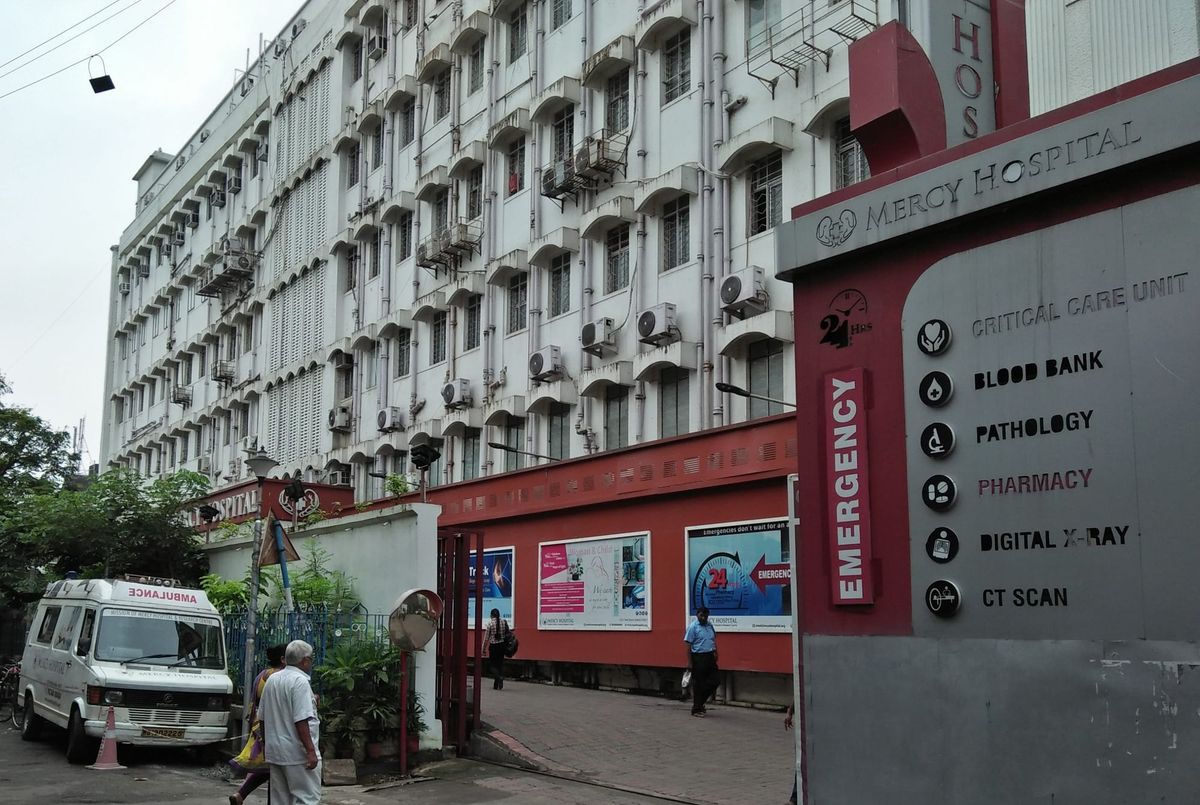
Kolkata Hospitals
Kolkata's healthcare ecosystem and hospitals represents a microcosm of India's broader healthcare landscape – showcasing impressive advancements alongside persistent challenges with its blend of historical medical institutions, modern facilities, and emerging technologies.