

Kozhikode stands at a fascinating crossroads—a city deeply rooted in its illustrious history while actively embracing modernity. From the aromatic spice markets that once attracted traders from across the globe to the emerging IT parks shaping its future
Kozhikode (Calicut): The Historic Gateway to Malabar
Nestled on the Malabar Coast of Kerala in southern India, Kozhikode—formerly known as Calicut—stands as a living testament to centuries of cultural exchange, trade, and heritage. Once the capital of the powerful Zamorin rulers and a major spice trading center that attracted explorers like Vasco da Gama, today's Kozhikode blends its rich historical legacy with modern development while maintaining its distinctive charm and character.
Geography and Climate
Situated between the Arabian Sea to the west and the Western Ghats to the east, Kozhikode benefits from a diverse geographical landscape. The district spans approximately 2,344 square kilometers and has a coastline extending about 71 kilometers along the Arabian Sea.
The climate is predominantly tropical, characterized by:
Hot and humid summers (March-May) with temperatures ranging from 28°C to 36°C
Abundant rainfall during two monsoon seasons: Southwest (June-September) and Northeast (October-November), receiving an annual average rainfall of 3,500mm
Pleasant winters (December-February) with temperatures between 20°C and 30°C
This favorable climate has historically supported the region's agricultural prosperity and continues to make it an attractive destination for tourists year-round, though the post-monsoon period from October to March offers the most comfortable weather for visitors.
Infrastructure and Urban Development
Transportation Networks
Roads
Kozhikode's road infrastructure has seen significant improvements in recent years:
NH-66 (formerly NH-17) connects the city to major centers like Kochi, Mangalore, and Bangalore
State Highways provide connectivity to interior regions and neighboring districts
The six-lane Kozhikode Bypass has helped ease traffic congestion in the city center
Mini Bypass Road and Beach Road serve as important arterial roads
Railways
Kozhikode Railway Station is a major junction on the Southern Railway network
Regular services connect to major cities across India including Mumbai, Delhi, Chennai, and Bangalore
Suburban trains provide connectivity to nearby towns and districts
Airports
Calicut International Airport (also known as Karipur Airport) is located about 28km from the city center
Serves both domestic and international flights, particularly to Middle Eastern destinations
Other nearby airports include Kannur International Airport (90km) and Cochin International Airport (170km)
Public Transportation
Kerala State Road Transport Corporation (KSRTC) operates long-distance bus services
Private bus operators maintain extensive networks within the city and to neighboring towns
Auto-rickshaws and taxi services are readily available
App-based ride-hailing services have become increasingly popular
City bus services connect major landmarks and residential areas
Water Transport
Traditional fishing boats and small ferries operate along the backwaters and rivers
The historic Beypore Port continues to serve as a trading hub and a center for traditional wooden shipbuilding
Water taxi services are being developed to connect coastal areas and reduce road congestion
Urban Planning and Development
Kozhikode's urban development presents a unique blend of preserving historical areas while accommodating modern growth:
The Kozhikode City Corporation oversees an area of 177.9 sq km
The Kozhikode Development Authority manages planned expansion efforts
Smart City initiatives are underway to enhance digital infrastructure and public services
Growing expansion to suburbs like Meenchanda, Pantheerankavu, and Chevayur has helped decongest the city center
Waste Management
Kozhikode faces waste management challenges common to growing urban centers:
A centralized waste treatment plant at Njeliyanparamba
The Corporation has implemented segregation-at-source programs
Community composting initiatives have been introduced in several neighborhoods
"Clean Kozhikode" campaigns have improved public awareness
The city struggles with plastic waste management, though several NGOs are working on innovative solutions
Natural Attractions
Beaches
Kozhikode's coastline features several picturesque beaches:
Kozhikode Beach : The most popular beach in the city featuring a historic pier extending into the sea, lighthouse, and the Marine Water Aquarium
Kappad Beach : Historically significant as the landing site of Vasco da Gama in 1498
Beypore Beach : Known for its sunset views and traditional dhow shipbuilding
Payyoli Beach : Less crowded with pristine waters and golden sands
Thikkodi Beach : Home to fascinating rock formations and a drive-in beach experience
Rivers and Waterways
Several important rivers flow through the district:
Chaliyar River : The fourth longest river in Kerala, flowing through the eastern part of the district
Kallai River : Once the center of the timber trade, it passes through the heart of the city
Korapuzha River : Forms the northern boundary of the district
Canolly Canal : A man-made waterway connecting various parts of the city
Hill Stations and Mountains
While Kozhikode itself is not a hill station, it has proximity to several highland retreats:
Vayalada : A developing hill station known for its tea plantations and trekking trails, about 55km from the city
Thusharagiri : Famous for its waterfalls and trekking opportunities
Kakkayam : A scenic spot with a dam and diverse flora and fauna
Wayanad District : Though administratively separate, this famous hill station is just a short drive from Kozhikode
Forests and Wildlife
The eastern parts of Kozhikode district are blessed with rich biodiversity:
Malabar Wildlife Sanctuary : Covering 74 sq km, home to diverse flora and fauna
Kakkayam Forest : Known for its varied bird species and butterflies
Peruvannamuzhi Forest : Adjacent to a reservoir, offering opportunities for wildlife spotting
Wildlife commonly found in these areas includes:
Elephants, gaur (Indian bison), sambar deer, and wild boar
Primates such as Nilgiri langur and Malabar giant squirrel
Bird species including Malabar grey hornbill, great Indian hornbill, and various eagles
Reptiles such as king cobra, viper species, and monitor lizards
Dams and Reservoirs
Several water management structures serve agricultural and power generation needs:
Kakkayam Dam : A hydroelectric project surrounded by scenic forests
Peruvannamuzhi Dam : An irrigation dam with a garden and boating facilities
Kuttiyadi Dam : Another hydroelectric project in the eastern highlands
Cultural Heritage
Historical Significance
Kozhikode's rich history is reflected in its many historical sites:
Zamorin's Palace (Kottakkal Kovilakam) : Once the seat of the powerful Zamorin rulers
Tali Temple : Built in the 14th century featuring classic Kerala temple architecture
Mishkal Mosque : An ancient mosque built in the 14th century by an Arab trader
Mananchira Square : The ancient bathing tank of the Zamorin royals, now a city center park
Pazhassi Raja Museum : Housing artifacts from various periods of Kerala's history
Kappad Beach Monument : Marking Vasco da Gama's landing in 1498
Religious Sites
Temples
Tali Temple : Dedicated to Lord Shiva with traditional Kerala architectural style
Thiruvannur Temple : An ancient Shiva temple with historical significance
Lokanarkavu Temple : Famous temple associated with the legendary hero Thacholi Othenan
Sree Pisharikkavu Temple : Known for its annual festival and cultural performances
Mosques
Mishkal Mosque : One of the oldest mosques in Kerala
Juma Masjid : A historical mosque in the heart of the city
Kuttichira Mosque : Known for its unique architecture blending Islamic and Kerala styles
Churches
St. Joseph's Church : One of the oldest Roman Catholic churches in the region
Basel Evangelical Mission Church : Established by German missionaries in the 19th century
CSI Church : The Church of South India's prominent presence in the city
Museums and Cultural Centers
Pazhassi Raja Museum : Named after the legendary king who fought against British colonialism
Art Gallery : Adjacent to the museum, showcasing works of local and national artists
Krishna Menon Museum : Dedicated to V.K. Krishna Menon, a prominent freedom fighter and diplomat
K.P. Kesava Menon Museum : Preserving the legacy of the freedom fighter and founder of Mathrubhumi newspaper
People and Society
Demographics
Kozhikode is a diverse and multicultural city:
Population : Approximately 2.2 million in the district (as of 2021), with about 600,000 in the urban corporation area
Density : Around 1,316 people per square kilometer
Growth Rate : 7.2% decadal growth (2011-2021)
Literacy Rate : 95.24%, one of the highest in India
Communities and Social Structure
The society reflects Kerala's unique social composition:
Major Communities : Malayalis form the majority, with significant Muslim (particularly Mappila), Hindu, and Christian populations
Languages : Malayalam is the primary language, with Tamil, Tulu, Konkani, and Hindi also spoken by specific communities
Caste Dynamics : Following Kerala's broader social pattern with historically significant Nair, Thiyya/Ezhava, and various other communities
Religious Distribution : Approximately 56% Hindu, 39% Muslim, and 4% Christian, with small Jain and other religious minorities
Living Standards
Kozhikode enjoys relatively high standards of living compared to many Indian cities:
HDI : The district has a high Human Development Index of around 0.78
Housing : Mix of traditional Kerala-style homes and modern apartments
Healthcare : Advanced medical facilities including Kozhikode Medical College, one of the oldest and largest in the state
Public Amenities : Well-developed public parks, libraries, and recreational facilities
Cost of Living : Moderate compared to major Indian metros, with high quality of life indicators
Economic Landscape
Traditional Industries
Spice Trade
Kozhikode's identity is inseparable from its history as a spice trading center:
Major spices include black pepper, cardamom, cinnamon, cloves, and nutmeg
The Valiyangadi (Big Bazaar) continues to be a major spice market
Several spice processing and export companies operate from the district
Spice tourism has become a growing segment for visitors interested in the history and cultivation of these aromatic treasures
Timber and Woodwork
Once the center of a flourishing timber industry:
The Kallai River was historically the hub of timber trade
Traditional woodcraft and furniture making continue on a smaller scale
Skilled artisans produce intricate wooden artifacts and furniture
Fishing
A vital traditional livelihood along the coast:
Major fishing harbors at Puthiyappa, Beypore, and Koyilandy
Traditional and mechanized fishing methods coexist
Fish markets like Vellayil and Puthiyappa offer fresh seafood daily
Processing and export of seafood products contribute significantly to the local economy
Modern Economic Sectors
Information Technology
The IT sector has seen rapid growth:
Cyberpark Kozhikode serves as the IT hub of the Malabar region
UL CyberPark and other tech parks host national and international companies
Growing startup ecosystem supported by incubators and accelerators
IT employs approximately 12,000 professionals in the district
Tourism
A major economic driver:
Annual tourist footfall exceeds 1.5 million visitors
Diverse attractions including beaches, historical sites, and cultural experiences
Responsible tourism initiatives emphasize sustainability and local community involvement
Growing MICE (Meetings, Incentives, Conferences, and Exhibitions) segment
Retail and Services
A vibrant commercial center:
Major shopping destinations include Focus Mall, HiLite Mall, and RP Mall
Traditional markets like SM Street (Sweet Meat Street) retain their charm
National and international retail chains have established presence
Growing e-commerce penetration with local logistics networks
Manufacturing
Diverse manufacturing activities:
Food processing, particularly seafood and spice processing
Light engineering and metal fabrication industries
Pharmaceutical manufacturing units
Textile and garment production
Agriculture
Despite urbanization, agriculture remains important:
Coconut, arecanut, and rubber are major plantation crops
Vegetable cultivation in suburban and rural areas
Rice farming in the eastern parts of the district
Fruit cultivation including mango, jackfruit, and banana
Education and Research
Schools
Kozhikode boasts a robust school education system:
Government Schools : Numerous state-run schools providing free education
Aided Schools : Privately managed with government financial assistance
Private Schools : Including CBSE, ICSE, and international curriculum institutions
Alternative Education : Several schools following Montessori and other alternative pedagogies
Higher Education
The district is a major educational hub:
University of Calicut : One of Kerala's largest universities
National Institute of Technology (NIT) Calicut : A premier engineering institution
Indian Institute of Management (IIM) Kozhikode : Among India's top management schools
Government Medical College : One of the oldest and largest medical colleges in Kerala
Kerala School of Mathematics : A research center focusing on advanced mathematics
Research Institutions
Several research centers contribute to innovation:
Centre for Water Resources Development and Management (CWRDM)
Kerala Forest Research Institute (KFRI)
Zoological Survey of India's Western Ghats Regional Center
Spices Board India's Quality Evaluation Laboratory
Food and Cuisine
Traditional Cuisine
Kozhikode is renowned for its distinctive culinary traditions:
Malabar Biryani : Distinguished by its use of short-grain Kaima rice and unique spice blend
Kallummakkaya (Mussels) : Prepared in various styles including stuffed with rice
Kozhikode Halwa : A gelatinous sweet made of rice flour, jaggery, and ghee in various colors and flavors
Pathiri : Rice flour pancakes served with meat or vegetable curries
Chatti Pathiri : A layered pastry with sweet or savory fillings
Malabar Parotta : Flaky layered flatbread popular with curries
Thari Kanji : A rice gruel preparation often served for breakfast
Muttamala : Intricately prepared egg garland sweet
Famous Eateries
Paragon Restaurant : Iconic establishment known for its biryani and Malabar cuisine
Zain's Hotel : Famous for traditional Muslim cuisine
Hotel Rahmath : Known for seafood specialties
Bombay Hotel : Popular for its unique tea and snacks
Sagar Restaurant : Vegetarian cuisine with Malabar influence
Beverage Culture
Sulaimani Chai : A black tea infused with lemon, spices, and sugar
Spiced Milk Tea : The ubiquitous chai with cardamom and ginger
Fresh Coconut Water : Available abundantly along beaches and markets
Sharjah Shake : A rich milkshake with fruit flavors and nuts
Arts, Culture, and Festivals
Traditional Art Forms
Kozhikode preserves several classical and folk art traditions:
Theyyam : A ritualistic dance form featuring elaborate costumes and face paintings
Oppana : A Muslim wedding dance performed by women
Margamkali : Traditional Christian folk dance
Duffmuttu : A percussion-based art form from the Mappila community
Kolkali : A folk dance performed with sticks
Literary Heritage
The city has a rich literary tradition:
Known as the city of "Zamorins, Zoology, and Literature"
Birthplace of renowned writers including S.K. Pottekkatt, M.T. Vasudevan Nair, and U.A. Khader
The famous "Thunchath Ezhuthachan Malayalam University" is named after the father of Malayalam literature
Home to Mathrubhumi, one of Kerala's oldest newspapers
Annual Kozhikode Literary Festival attracts authors and readers from across the world
Major Festivals
Religious Festivals
Revathi Pattathanam : A traditional scholarly meet dating back to the Zamorin era
Tali Temple Festival : The annual festival of the historic Tali Temple
Malabar Mahotsavam : Celebration of Malabar culture and traditions
Christmas and Easter : Celebrated with religious fervor by the Christian community
Eid-ul-Fitr and Eid-ul-Adha : Major celebrations for the Muslim community
Cultural Festivals
Kerala School Youth Festival : The largest youth festival in Asia often held in Kozhikode
Malabar Literature Festival : Celebrating the literary heritage of the region
Kozhikode Beach Festival : Annual event featuring cultural performances and food festivals
Onam Celebrations : The state festival celebrated with floral arrangements and feasts
Mango Festival : Celebrating the diverse mango varieties of the region
Recreation and Entertainment
Sports and Sporting Facilities
Kozhikode has a passionate sporting culture:
EMS Stadium : Multi-purpose stadium hosting cricket and football matches
Corporation Stadium : Major venue for football matches with a capacity of 40,000
Kozhikode Medical College Grounds : Used for various sporting events
Indoor Stadiums : Several facilities for badminton, basketball, and other indoor sports
Football Culture : Home to Gokulam Kerala FC playing in the I-League
Parks and Public Spaces
The city offers numerous recreational areas:
Mananchira Square : A historic tank converted into a central park
Sarovaram Biopark : An eco-friendly park with boating facilities
Regional Science Center & Planetarium : Educational recreation center
Comtrust Walkway : A beachside promenade
Butt Road Adventure Park : Offering various adventure activities
Entertainment Venues
Modern entertainment options include:
Movie Theaters : Multiple multiplexes including Crown, Apsara, and Sree
Shopping Malls : HiLite Mall, Focus Mall, and others with entertainment zones
Kozhikode Club : One of the oldest clubs in Kerala dating back to the colonial era
Water Theme Parks : Several in the outskirts including Fantasy Park
Cultural Centers : Performance spaces for traditional and contemporary arts
Tourism Infrastructure
Accommodation Options
The district offers diverse lodging choices:
Luxury Hotels : The Gateway Hotel, The Raviz, Taj Gateway
Heritage Hotels : Kadavu Resort, Malabar Palace
Boutique Hotels : Copper Folia, Hycinth by Sparsa
Budget Hotels : Numerous options across various price points
Homestays : Growing segment offering authentic local experiences
Beach Resorts : Primarily along Kappad and Beypore beaches
Tourist Information Centers
Kerala Tourism Department office in the city center
Information desks at Kozhikode Railway Station and Calicut Airport
Digital kiosks at major tourist attractions
Guided Experiences
Heritage walks in the old city area
Culinary tours exploring the famous Kozhikode cuisine
Spice garden tours in the eastern parts of the district
Beypore boat-building yard visits
Bird watching excursions to Kadalundi Bird Sanctuary
Sustainable Development and Future Prospects
Environmental Initiatives
Kozhikode is increasingly focusing on sustainability:
Conolly's Plot : World's oldest teak plantation established in 1842
Mangrove Conservation : Efforts to protect coastal mangrove ecosystems
Plastic-Free Zones : Implementation in beaches and tourist spots
Urban Forestry : Increasing green cover within city limits
Renewable Energy : Solar panels in government buildings and public spaces
Smart City Initiatives
Under the Smart Cities Mission:
Intelligent traffic management systems
Digital governance platforms
Public Wi-Fi zones
Waste management technology upgrades
Water quality monitoring systems
Challenges and Opportunities
Like many growing urban centers, Kozhikode faces several challenges:
Traffic congestion in the city center
Waste management issues
Urban flooding during monsoons
Balancing development with environmental conservation
Preserving cultural heritage while modernizing
Opportunities include:
Growing IT sector and knowledge economy
Sustainable tourism development
Revival of traditional crafts and industries
Educational and healthcare service hubs
Port-based economic activities
Conclusion
Kozhikode stands at a fascinating crossroads—a city deeply rooted in its illustrious history while actively embracing modernity. From the aromatic spice markets that once attracted traders from across the globe to the emerging IT parks shaping its future, from ancient temples to modern malls, Kozhikode offers a remarkable blend of experiences.
For visitors, the city provides a less commercialized and more authentic glimpse into Kerala's soul than many other tourist destinations. For residents, it offers quality of life balanced with economic opportunities. And for students of history and culture, it remains an endless source of fascination—a living museum where the stories of maritime trade, cultural exchange, and human enterprise continue to unfold.
As Kozhikode moves forward in the 21st century, its greatest strength lies in this very duality—honoring its past while crafting its future, preserving its unique identity while welcoming new influences, and maintaining its warm small-town charm while expanding its global footprint.
More in kerala

Cochin International Airport
Cochin International Airport stands as a testament to innovative airport management, environmental responsibility, and exceptional passenger service. Its achievement as the world's first fully solar-powered airport has set new standards for sustainable aviation infrastructure globally.
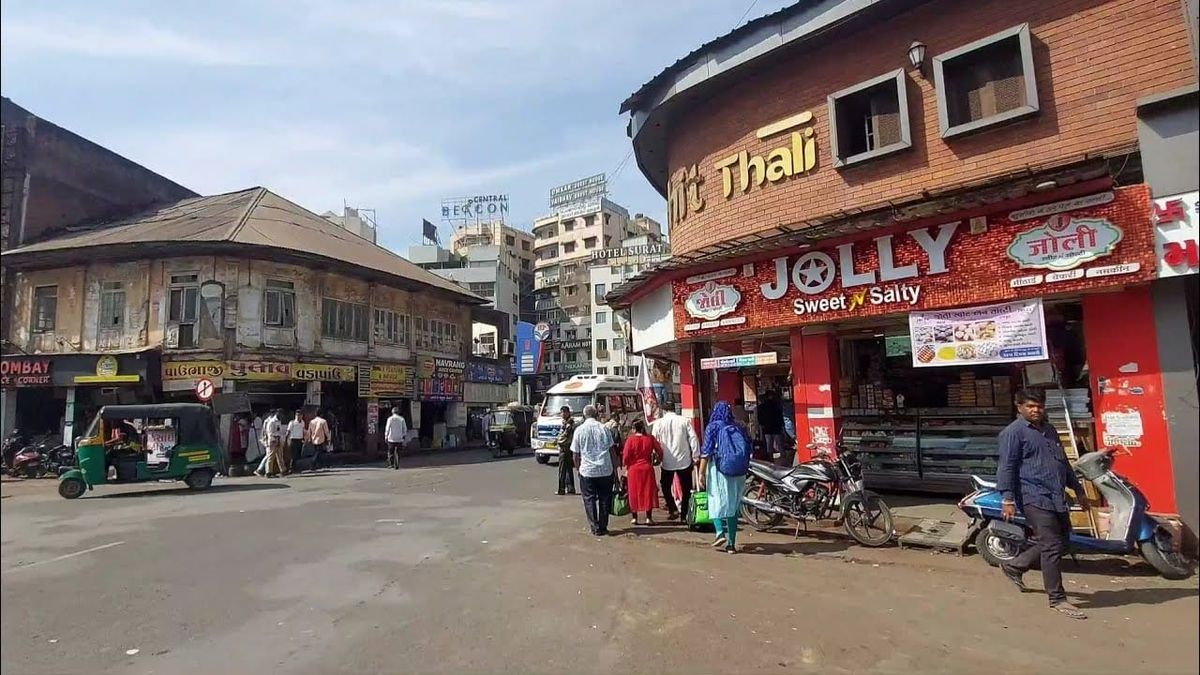
Thalassery - Kerala
Thalassery also called as Tellicherry is commonly known for 3 C's Which is Circus, Cricket, Cake. Being once a British outpost, Thalassery claims many firsts – it is said to be where the first game of cricket in India was played by the British, where the first circus performed.
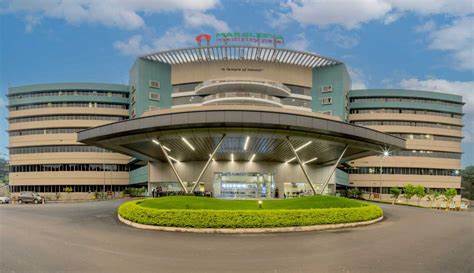
Kerala Hospitals
Kerala's healthcare model, combining accessibility, quality, world class hospitals, and inclusivity, continues to evolve as a notable example within India's diverse healthcare landscape, positioning the state as both a healthcare provider and innovator in the coming decades.

Pala Kottayam Kerala
Pala's environmental concerns include river pollution, plastic waste accumulation, and conservation of natural resources. The impact of climate change has become evident through altered rainfall patterns and extreme weather.

Kannur (Cannanore) Kerala
Kannur continues its development journey, the challenge remains to preserve its unique cultural heritage and natural beauty while providing economic opportunities for its population – a balancing act that defines not just Kannur but Kerala's distinctive development model as a whole.

Wayanad Kerala
Wayanad offers far more than scenic vistas and adventure opportunities—it provides a window into the complex interplay between humanity and nature in one of India's most beautiful highland regions. As local communities work to define a sustainable path forward, Wayanad continues to evolve

Malappuram Kerala
Malappuram represents a dynamic region in transition, balancing traditional values with modern aspirations. Its diverse cultural landscape, natural beauty, and entrepreneurial spirit position it as an emerging district in Kerala's development narrative.

Kottayam Kerala
Kottayam stands as a microcosm of Kerala's development model—balancing tradition with modernity, education with enterprise, and growth with sustainability. The district's identity as the "Land of Letters" continues to evolve, as it navigates the challenges of contemporary development.