

Malappuram represents a dynamic region in transition, balancing traditional values with modern aspirations. Its diverse cultural landscape, natural beauty, and entrepreneurial spirit position it as an emerging district in Kerala's development narrative.
The Cultural Mosaic of Northern Kerala
Malappuram, nestled in the northern part of Kerala, is a district that beautifully blends natural splendor with cultural diversity. This comprehensive exploration reveals a region rich in heritage, natural beauty, and rapidly developing infrastructure.
Geography and Natural Beauty
Malappuram enjoys a strategic location in northern Kerala, bordered by the Western Ghats on one side and the Arabian Sea on the other. The district spans approximately 3,550 square kilometers, characterized by rolling hills, lush valleys, and coastal plains.
Rivers and Water Sources
The district is blessed with numerous rivers including the Bharathapuzha (Kerala's second-longest river), Chaliyar, and Kadalundi rivers. These waterways not only provide irrigation and drinking water but also support fishing communities and create stunning landscapes.
Hill Stations and Forests
While not known for major hill stations like Munnar or Wayanad, Malappuram offers serene hill destinations:
Nedumkayam : A forested area with scenic beauty and trekking opportunities
Adyanpara : Famous for its waterfalls and hiking trails
Kodikuthimala : Also known as "Ooty of Malappuram," offering panoramic views
The forests in Malappuram, including parts of the Western Ghats, house diverse flora and fauna. The region connects to the Silent Valley National Park ecosystem, supporting wildlife conservation.
Wildlife
The forests harbor wildlife including elephants, leopards, sambar deer, and various bird species. The Kadalundi Bird Sanctuary at the Kadalundi River estuary attracts migratory birds, making it a birdwatcher's paradise.
Infrastructure and Development
Transportation
Malappuram has seen significant infrastructure development in recent years, though challenges remain:
Roads : The NH 66 (formerly NH 17) passes through the district, connecting it to major cities. State highways and district roads connect interior areas, though some rural regions still need better connectivity.
Calicut International Airport (Karipur) within the district, about 25 km from Malappuram town
Cochin International Airport, approximately 120 km away
Railways : Railway stations at Tirur, Parappanangadi, and Feroke connect Malappuram to India's railway network.
Local Transportation : Autorickshaws, private buses, and Kerala State Road Transport Corporation (KSRTC) buses serve as primary public transportation. Water transport is limited but present in coastal areas.
Urban Development
Malappuram is experiencing rapid urbanization with multiple towns growing in significance:
Manjeri : An important administrative center
Tirur : Known for its commercial activity
Perinthalmanna : An educational hub
Ponnani : A historic port town
Waste Management
Like many growing districts in India, Malappuram faces waste management challenges. Local municipalities have introduced initiatives for waste segregation and processing, though implementation varies across the district.
People and Culture
Demographics
Malappuram is Kerala's most populous district with approximately 4.5 million residents. It has one of India's highest population growth rates. The district showcases Kerala's religious diversity with:
Muslims forming the majority (around 70%)
Hindus (approximately 28%)
Christians and other communities comprising the remainder
Cultural Heritage
Malappuram's cultural landscape is rich and diverse:
Mappila Culture : The Muslim community's unique traditions blend Arab influences with Kerala customs
Traditional Arts : Oppana, Duff Muttu, Kolkali, and Aravanamuttu performances
Malappuram Nercha (a religious festival)
Thirumandhamkunnu Pooram
Nilambur Pattu
Various Islamic observances including Ramadan celebrations
Languages
Malayalam is the primary language, with distinct Malappuram dialects that incorporate Arabic and Urdu influences, particularly in Mappila Malayalam.
Economy and Livelihood
Agriculture
Despite urbanization, agriculture remains vital to Malappuram's economy:
Spices : Black pepper, cardamom, ginger, and turmeric cultivation
Plantation Crops : Rubber, coconut, and areca nut
Rice Cultivation : In the fertile river valleys
Unlike central Kerala districts, Malappuram has limited tea plantations, with most concentrated in higher elevation areas.
Fishing
Coastal towns like Ponnani, Tanur, and Parappanangadi support traditional fishing communities. The sector faces challenges from changing climate patterns and depleting marine resources.
Markets
Vibrant markets characterize the district:
Tirur Market : Famous for dried fish and local produce
Kottakkal Market : Known for Ayurvedic medicines and herbs
Manjeri Market : A central commercial hub
Gulf Connections
Malappuram has significant connections to Gulf countries, with many residents working abroad, particularly in the UAE and Saudi Arabia. This has created a remittance economy that significantly impacts local development and living standards.
Education and Employment
Educational Institutions
Malappuram's educational landscape includes:
Schools : Numerous government, aided, and private schools
University of Calicut (in Thenhipalam)
Aligarh Muslim University Centre
Government Medical College, Manjeri
Various engineering colleges, arts and science colleges
Employment Patterns
The district shows diverse employment patterns:
Gulf Employment : Significant portion works in Middle Eastern countries
Agriculture : Traditional but declining sector
Service Sector : Growing rapidly, especially in urban centers
IT and Technology : Emerging sector with initiatives like UL CyberPark in Kozhikode nearby
Tourism
While not as prominent a tourist destination as other Kerala districts, Malappuram offers attractions:
Historical Sites
Kottakkal Arya Vaidya Sala : Famous Ayurvedic treatment center
Thirunavaya : Historic site of Mamankam festival
Juma Masjid Ponnani : One of Kerala's oldest mosques
Nature Tourism
Adyanpara Waterfalls : Popular trekking destination
Nilambur Teak Museum : World's first teak museum
Biyyam Kayal : Backwaters offering boating experiences
Religious Tourism
The district houses important religious sites:
Thirumandhamkunnu Temple : Ancient Hindu temple
Cheraman Juma Masjid : Supposedly India's first mosque
Muthappan Temple : Dedicated to the folk deity Muthappan
Food and Hospitality
Cuisine
Malappuram's cuisine is renowned for its distinctive flavors:
Malabar Biryani : A regional specialty with unique preparation methods
Pathiri : Rice flour bread in various forms
Seafood Specialties : Especially in coastal areas
Snacks : Unnakkaya, Mutta Mala, and various banana-based delicacies
Hospitality
The hospitality sector includes:
Hotels : Range from budget to mid-range options
Resorts : Developing sector, especially near natural attractions
Homestays : Emerging option for tourists seeking authentic experiences
Challenges and Future Outlook
Malappuram faces several development challenges:
Environmental Concerns : Balancing development with conservation
Infrastructure Gaps : Particularly in rural areas
Employment Generation : Creating opportunities for the educated workforce
Despite these challenges, Malappuram represents a dynamic region in transition, balancing traditional values with modern aspirations. Its diverse cultural landscape, natural beauty, and entrepreneurial spirit position it as an emerging district in Kerala's development narrative.
More in kerala

Cochin International Airport
Cochin International Airport stands as a testament to innovative airport management, environmental responsibility, and exceptional passenger service. Its achievement as the world's first fully solar-powered airport has set new standards for sustainable aviation infrastructure globally.
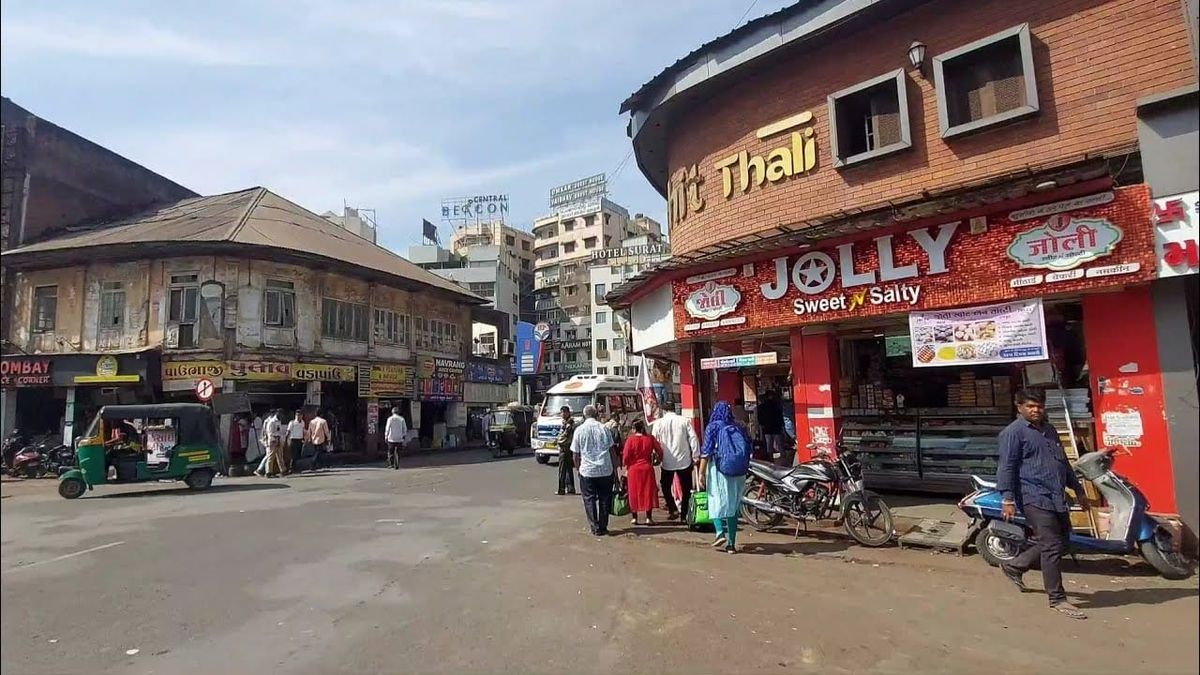
Thalassery - Kerala
Thalassery also called as Tellicherry is commonly known for 3 C's Which is Circus, Cricket, Cake. Being once a British outpost, Thalassery claims many firsts – it is said to be where the first game of cricket in India was played by the British, where the first circus performed.
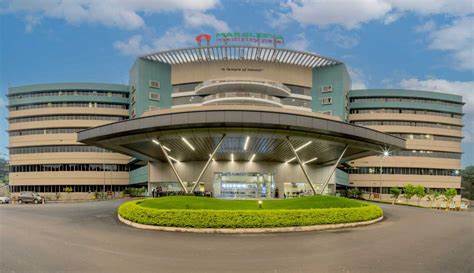
Kerala Hospitals
Kerala's healthcare model, combining accessibility, quality, world class hospitals, and inclusivity, continues to evolve as a notable example within India's diverse healthcare landscape, positioning the state as both a healthcare provider and innovator in the coming decades.

Pala Kottayam Kerala
Pala's environmental concerns include river pollution, plastic waste accumulation, and conservation of natural resources. The impact of climate change has become evident through altered rainfall patterns and extreme weather.

Kannur (Cannanore) Kerala
Kannur continues its development journey, the challenge remains to preserve its unique cultural heritage and natural beauty while providing economic opportunities for its population – a balancing act that defines not just Kannur but Kerala's distinctive development model as a whole.

Wayanad Kerala
Wayanad offers far more than scenic vistas and adventure opportunities—it provides a window into the complex interplay between humanity and nature in one of India's most beautiful highland regions. As local communities work to define a sustainable path forward, Wayanad continues to evolve

Kozhikode Kerala
Kozhikode stands at a fascinating crossroads—a city deeply rooted in its illustrious history while actively embracing modernity. From the aromatic spice markets that once attracted traders from across the globe to the emerging IT parks shaping its future

Kottayam Kerala
Kottayam stands as a microcosm of Kerala's development model—balancing tradition with modernity, education with enterprise, and growth with sustainability. The district's identity as the "Land of Letters" continues to evolve, as it navigates the challenges of contemporary development.
More in kerala cities

Idukki Kerala India
Idukki stands as a testament to the harmonious coexistence of natural beauty, cultural diversity, and human enterprise. This highland district, with its mist-covered mountains, sprawling plantations, powerful rivers, and rich biodiversity, represents a unique facet of Kerala.

Thrissur (Trichur)
Thrissur embodies Kerala's distinctive development model where cultural richness, educational achievement, and community cohesion complement economic progress. The city's identity remains firmly anchored in its cultural heritage while adapting to contemporary realities.

Thiruvananthapuram
Under India's Smart Cities Mission, Thiruvananthapuram has implemented projects including integrated command and control center, smart roads with utility ducts, and intelligent traffic management systems. These initiatives aim to leverage technology for improving urban services and quality of life