
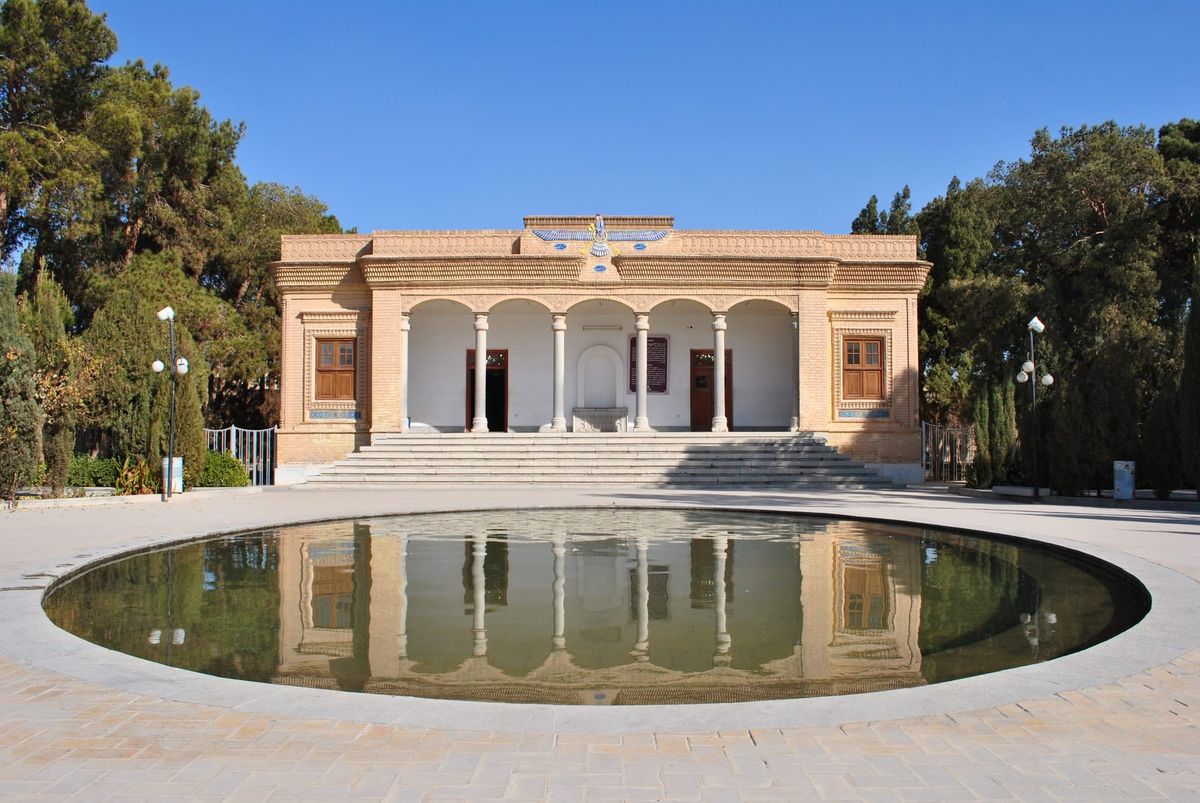
Known for their distinctive religious practices, entrepreneurial acumen, philanthropy, and contributions to India's development, the Parsi community represents one of the world's most remarkable examples of a cultural minority.
THE PARSI COMMUNITY
Introduction to Parsis
The Parsis are followers of Zoroastrianism who migrated to the Indian subcontinent from Persia (modern-day Iran) during the 8th-10th centuries CE to escape religious persecution following the Islamic conquest of Persia. The term "Parsi" literally means "Persian." Despite their small numbers—currently estimated at around 60,000 worldwide—Parsis have had an extraordinarily disproportionate impact on modern India's business, science, arts, and civic life.
Known for their distinctive religious practices, entrepreneurial acumen, philanthropy, and contributions to India's development, the Parsi community represents one of the world's most remarkable examples of a cultural minority that has preserved its distinctive identity while fully integrating into and significantly contributing to its adopted homeland.
Historical Origins and Migration
Zoroastrian Roots
Parsis follow Zoroastrianism, one of the world's oldest continuously practiced religions, founded by the prophet Zoroaster (Zarathustra) in ancient Persia around 1500-1000 BCE. The religion was the state religion of three Persian empires (Achaemenid, Parthian, and Sasanian) before the Islamic conquest.
The Great Migration
Following the Arab conquest of Persia in the 7th century CE and subsequent pressure on Zoroastrians, several groups fled to preserve their religious traditions:
Initial departure : Left from Khorasan province in northeastern Iran
Temporary settlement : Spent approximately 100 years on the island of Hormuz
Arrival in India : Landed at Sanjan in Gujarat around 936 CE
The Qissa-i-Sanjan : A 16th-century account documenting the journey and settlement
The Sugar in the Milk Story
A popular narrative about the Parsi arrival in India tells of a local ruler, Jadi Rana, who was hesitant to accept refugees. To demonstrate how the Parsis would integrate, a Zoroastrian priest added sugar to a cup of milk, showing they would sweeten society without changing its fundamental nature. This story symbolizes the Parsi approach to integration—enriching their host culture while maintaining their distinct identity.
Settlement and Spread
From their initial settlement in Sanjan, the Parsis gradually spread to other parts of Gujarat:
Navsari (became an important Parsi religious center)
Surat
Bharuch
Valsad
During the British colonial period, many Parsis moved to Bombay (Mumbai), which became the community's primary center. Today, the largest concentration of Parsis remains in Mumbai, with significant communities also in Pune, Ahmedabad, and other urban centers.
Religious Beliefs and Practices
Core Theological Concepts
Zoroastrianism is based on several key principles:
Monotheism : Worship of Ahura Mazda (the Wise Lord) as the supreme deity
Cosmic dualism : Ongoing struggle between truth (asha) and lies (druj)
Free will : Humans must actively choose between good and evil
Ethical framework : "Good thoughts, good words, good deeds" (Humata, Hukhta, Hvarshta)
Eschatology : Belief in final judgment and ultimate triumph of good
Sacred Texts
The Zoroastrian religious tradition is preserved in:
Avesta : The primary collection of sacred texts
Gathas : The oldest hymns, attributed to Zoroaster himself
Vendidad : Religious law and purity codes
Khordeh Avesta : Book of common prayer
Supplementary texts : Including the Denkard, Bundahishn, and various commentaries (Zand)
Fire Temples (Agiaries)
Fire temples are the centers of Parsi worship:
Sacred fire : Continuously maintained fire representing divine energy and purity
Grades of fire temples : Dadgah (household), Adarian (district), and Atash Behram (highest grade)
Ritual practices : Prayers offered five times daily by priests
Access restrictions : Traditionally, entry limited to Zoroastrians only
Mumbai's fire temples : Include Banaji Atash Behram (1709), Wadiaji Atash Behram (1830), and Anjuman Atash Behram (1897)
Religious Ceremonies
Key rituals in Parsi religious life include:
Navjote : Initiation ceremony (usually at age 7-12) when a child is invested with sudreh (sacred shirt) and kusti (sacred cord)
Jashan : Thanksgiving and blessing ceremony
Muktad : Annual prayers for the departed
Gahambars : Six seasonal festivals tied to agricultural cycles
Daily prayers : Including recitation of the Avesta
Distinctive Practices
Unique elements of Parsi religious practice include:
Reverence for elements : Especially fire, water, and earth, which must not be polluted
Purity laws : Elaborate codes regarding ritual purity
Tower of Silence (Dakhma) : Traditional disposal of the dead through exposure (now limited by urban restrictions)
Use of sacred bull's urine (nirang) : In certain purification rituals
Prayer cap (topi) : Worn during worship and ceremonies
Sects and Interpretations
While Zoroastrianism is not as sectarian as some religions, some distinctions exist:
Traditional Divisions
Shahenshahi : The majority tradition in India, following a different calendar than Iranian Zoroastrians
Kadmi : A minority who adopted the Iranian Zoroastrian calendar in the 18th century
Fasli : Uses a seasonally accurate calendar, a more recent reform movement
Contemporary Divisions
More significant modern divisions center around:
Reformist vs. Orthodox : Differences regarding conversion, intermarriage, and traditional practices
Traditional vs. Progressive : Varying views on women priests, burial practices, and scriptural interpretation
Ilm-e-Khshnoom : A mystical interpretation of Zoroastrianism that emerged in the early 20th century
Intergroup Relations
Relations between different Parsi groups are generally peaceful, with:
Shared fire temples : Despite calendar differences
Common community institutions : United on social and educational matters
Ongoing dialogue : Between traditional and reform elements
Attire and Appearance
Traditional Dress
Traditional Parsi attire includes:
Dugla : White jacket worn by men
Fenta : Traditional hat for men
Gara : Intricately embroidered sarees for women
Ijjar : Traditional loose trousers
Sudreh : Sacred white undershirt worn by both sexes after Navjote
Kusti : Sacred cord worn around the waist, tied with ritual knots
Contemporary Dress
In everyday life:
Western attire : Most Parsis wear modern clothing
Religious garments : Sudreh and kusti worn under regular clothes
Ceremonial occasions : Traditional attire still used for religious ceremonies and community events
Major Community Centers and Institutions
Fire Temples and Religious Sites
Key religious institutions include:
Iranshah Atash Behram : The oldest continuously burning fire temple, located in Udvada, Gujarat
Mumbai fire temples : Eight Atash Behrams and numerous Agiaries
Towers of Silence : Traditional dokhmas at Malabar Hill and other locations
Sanjan Memorial : Commemorating the original landing site
Community Organizations
Important Parsi institutions include:
Bombay Parsi Punchayet : The apex body managing community affairs and substantial charitable trusts
Parsi Anjumans : Local community organizations in various cities
Federation of Zoroastrian Associations of North America (FEZANA) : Umbrella organization for North American Parsis
World Zoroastrian Organization : International body connecting global community
Educational Institutions
Parsi-founded or managed educational institutions include:
Dadar Athornan Institute : Training for Zoroastrian priests
The J.N. Petit Institute : Library and cultural center
Sir J.J. Group of Institutions : Including architecture and art schools
Dadar Parsi Colony schools : Several institutions in this prominent Parsi neighborhood
Bombay Scottish School : Founded with Parsi patronage
Numerous scholarships and educational trusts : Supporting Parsi education
Medical Institutions
Healthcare facilities include:
B.D. Petit Parsee General Hospital : Specialized hospital in Mumbai
Parsi Lying-in Hospital : Maternity hospital
Masina Hospital : Founded by Dr. Hormasji Manekji Masina
Sir Jamsetjee Jejeebhoy Hospital : One of India's oldest hospitals, founded with Parsi philanthropy
Economic Influence and Business Legacy
Historical Economic Activities
Parsis have been associated with:
Early trade : Maritime commerce with China, Southeast Asia, and Europe
Shipbuilding : Pioneering modern shipbuilding in India
Textile industry : Early adoption of mechanical spinning and weaving
Banking : Creation of some of India's first modern banking institutions
Railways : Investment and construction of early railway systems
Civil construction : Major construction contracts during colonial development
Major Business Houses
Prominent Parsi business dynasties include:
Tata Group : Founded by Jamsetji Tata in 1868, now one of India's largest conglomerates
Godrej : Founded in 1897, major consumer goods and industrial company
Wadia Group : Historic textile mills, now diversified into aviation, real estate, etc.
Shapoorji Pallonji Group : Construction and real estate conglomerate
Poonawalla Group : Including Serum Institute of India, world's largest vaccine manufacturer
Notable Business Figures
Influential Parsi business leaders include:
Jamsetji Tata : Pioneer industrialist and founder of the Tata empire
J.R.D. Tata : Aviation pioneer and builder of modern Tata Group
Ratan Tata : Contemporary industrialist and philanthropist
Adi Godrej : Built Godrej into a major consumer products company
Cyrus Poonawalla : Vaccine manufacturing pioneer
Naval Godrej : Industrial innovator
Nusli Wadia : Textile and aviation magnate
Economic Impact
The Parsi economic impact has been characterized by:
Pioneering industrialization : Often first to adopt new technologies
Corporate ethics : Reputation for business integrity
Worker welfare : Early adoption of employee benefits and fair labor practices
Nation-building : Strategic investments in infrastructure and education
Philanthropy : Reinvestment of wealth in social institutions
Dietary Practices
Traditional Cuisine
Parsi cuisine is a distinctive fusion with elements from:
Persian heritage : Use of dried fruits, nuts, and specific cooking techniques
Gujarati influence : Incorporation of local ingredients and some methods
Colonial additions : British and Portuguese influences
Signature Dishes
Famous Parsi dishes include:
Dhansak : Lentil and vegetable stew with meat
Patra ni Machhi : Fish steamed in banana leaf with chutney
Sali Boti : Meat with potato straws
Berry Pulao : Rice dish with berries and meat
Lagan nu Custard : Wedding custard
Ravo : Semolina pudding
Akuri : Spiced scrambled eggs
Dietary Practices
Parsi eating habits include:
Non-vegetarian tradition : Meat consumption is common, unlike many other Indian communities
Celebration of food : Elaborate meals for religious and social occasions
Egg symbolism : Eggs considered auspicious and featured in many dishes
Sweet and sour combinations : Characteristic flavor profile
Pilgrimages and Sacred Sites
Within India
Important pilgrimage sites include:
Udvada (Gujarat): Site of the Iranshah Atash Behram, the oldest sacred fire
Navsari (Gujarat): Historical seat of the Bhagaria priesthood
Sanjan (Gujarat): Original landing site
Mumbai fire temples : Particularly the nine Atash Behrams
Doongerwadi : Location of the Towers of Silence in Mumbai
International Sites
Sites outside India include:
Yazd and Kerman (Iran): Ancient Zoroastrian centers with historic fire temples
Chak Chak (Iran): Mountain pilgrimage site
Pir-e-Sabz (Iran): Sacred shrine in the mountains
Takht-e-Soleyman (Iran): Ancient temple complex
Demographics and Global Presence
Population Statistics
The global Parsi population is estimated at approximately 60,000-100,000:
India : Approximately 50,000-60,000, with the majority in Mumbai
North America : 10,000-15,000, primarily in USA and Canada
United Kingdom : Roughly 5,000-6,000
Other diaspora : Including Australia, New Zealand, UAE, and continental Europe
Demographic Challenges
The community faces severe demographic pressures:
Low birth rate : Well below replacement level
Late marriages and childlessness : Common in the community
Aging population : Median age approaching 60
Outmarriage : Increasing rates of marriage outside the community
Debate over conversion : Whether to accept converts remains contentious
Preservation Efforts
Initiatives addressing population decline include:
Jiyo Parsi : Government-backed program offering financial incentives for Parsi children
Community matchmaking : Efforts to facilitate marriages within the community
Cultural programs : Youth engagement to strengthen community bonds
Relaxed integration policies : Some communities accepting children of Parsi women who marry outside the community
Cultural Contributions
Literature and Scholarship
Notable Parsi contributions include:
Academic scholarship : Pioneering studies in Zoroastrian history and linguistics
Fiction : Writers like Rohinton Mistry, Bapsi Sidhwa, and Cyrus Mistry
Journalism : Figures like Firdaus Kanga and B.K. Karanjia
Poetry : Work by figures like Keki Daruwalla
Performing Arts
Significant contributions to:
Theatre : Notably through figures like Alyque Padamsee
Classical music : Zubin Mehta, one of the world's leading conductors
Cinema : Producers like Sohrab Modi and actors like Boman Irani
Dance : Choreographers like Astad Deboo
Visual Arts
Painting : Artists like Pestonji Bomanji and Jehangir Sabavala
Photography : Pioneers like Sam Tata
Architecture : Figures like Hafeez Contractor
Public Service
Outstanding contributions in:
Judiciary : Including Justice Fali Nariman
Military : Field Marshal Sam Manekshaw
Civil service : Numerous high-ranking officials
Science : Figures like Homi Bhabha (nuclear physics) and Homi Sethna
Religious Harmony and Conflicts
Relationship with Hindu India
The Parsi-Hindu relationship has been characterized by:
Historical acceptance : Peaceful reception and integration
Cultural exchange : Mutual influence while maintaining distinctiveness
Economic cooperation : Business partnerships across community lines
Very low levels of conflict : Almost no recorded communal violence
Interfaith Relations
Modern interfaith engagement includes:
Participation in interfaith dialogues : Active role in religious harmony discussions
Charitable activities : Service to all communities regardless of faith
Social integration : High levels of social interaction while maintaining religious distinctiveness
Internal Debates
Key community debates center around:
Conversion and intermarriage : Whether to accept converts or recognize children of intermarriages
Modernization of practices : Adapting ancient traditions to contemporary contexts
Burial vs. traditional disposal : Changes to funeral practices
Women's roles : Increasing participation of women in religious leadership
Conclusion: Future Prospects and Challenges
Community Resilience
Despite their small numbers, Parsis have shown remarkable resilience through:
Cultural pride : Strong sense of distinct identity
Educational achievement : Continuing emphasis on education
Economic success : Ongoing business acumen
Institutional strength : Well-established community organizations
Contemporary Challenges
Key issues facing both communities today include:
Demographic decline : Critical population challenges
Cultural preservation : Maintaining traditions in a globalizing world
Religious knowledge : Transmitting complex traditions to younger generations
Identity questions : Negotiating between tradition and modernity
Integration vs. distinction : Balancing participation in mainstream society with community preservation
Future Prospects
Looking ahead, both Saurashtrians and Parsis are:
Embracing technology : Using digital tools for cultural preservation
Documenting heritage : Increasing scholarly and community attention to traditions
Youth engagement : New approaches to connect younger generations
Global networking : Strengthening connections among diaspora communities
Adaptive preservation : Finding ways to maintain core values while evolving with contemporary society
The Parsi communities represent example of cultural preservation and adaptation, maintaining distinctive identities over centuries while also contributing significantly to the broader societies in which they live. Their experiences offer valuable insights into how minority communities can navigate the complex challenges of tradition and change in the modern world.
More in religion

Buddism
Buddhism's journey from its origins under the Bodhi tree in India to a global spiritual, philosophical, and cultural force demonstrates its remarkable adaptability and enduring relevance of Buddha's insights into human suffering and the path to its cessation.

Saurashtrians
What makes the Saurashtrian community particularly fascinating is their journey from Gujarat to southern India, their preservation of language and traditions in new environments, and their significant contributions to textile arts, particularly silk weaving.

Jainism
Jainism represents one of humanity's most distinctive spiritual traditions, with its radical emphasis on non-violence, ethical living, and philosophical pluralism. Jain's impact on Indian civilization and environmental ethics, vegetarianism, and pluralism has been profound.

Sikhism
Sikhism, though relatively young compared to other major world religions, has developed a rich theological tradition, distinctive cultural practices, and a global presence. Founded on principles of equality, service, and devotion, Sikhism continues to evolve while maintaining its core values.

Christianity in India
Christianity in India, despite being a minority faith, has contributed significantly to the nation's development, particularly through educational and healthcare institutions. The diverse denominational landscape reflects both ancient indigenous traditions and more recent missionary influences.

Indian Religions
India, the birthplace of several major world religions and a vibrant melting pot of faiths, presents a unique spectacle of devotion. The multitude of religions coexisting in India, with their diverse practices and traditions, creates a unique and often awe-inspiring cultural landscape

Indian Culture
India's cultural landscape defies simple categorization, representing instead a complex, living tapestry of traditions that have evolved over millennia. What makes Indian culture particularly remarkable is not just its diversity but its underlying unity.
More in culture

People of India
The Indian way of life defies simple characterization, embodying both timeless continuity and dynamic change. What remains consistent is the extraordinary capacity for synthesis—integrating new influences while maintaining core cultural values.

Indian Muslims
Islam in India represents a diverse, complex, and vibrant religious tradition that has been an integral part of the Indian civilization for centuries. From magnificent architectural marvels to profound contributions in literature, arts, sciences, and governance.

Indian Holidays
India’s holidays are more than cultural events—they are essential to its social identity, religious plurality, economic activity, and global soft power. Each festival is a lens through which one can witness the warmth, diversity, and complexity of Indian life.