

Rajasthan: The Regal Heartland of India Rajasthan, India's largest state by area, is a vibrant tapestry of royal heritage, desert landscapes, and rich traditions. Located in the northwestern part of India, this land of kings is famed for its majestic palaces, imposing forts, colorful festivals, and enduring folklore t
Rajasthan: The Regal Heartland of India
Rajasthan, India's largest state by area, is a vibrant tapestry of royal heritage, desert landscapes, and rich traditions. Located in the northwestern part of India, this land of kings is famed for its majestic palaces, imposing forts, colorful festivals, and enduring folklore that echo through its golden sands.
History Rajasthan's history is deeply intertwined with tales of valor, honor, and the grandeur of Rajputana dynasties. Ancient civilizations such as the Indus Valley once flourished here. Later, the region became a stronghold of powerful Rajput clans like the Sisodias, Rathores, and Kachwahas, who constructed monumental forts and palaces. The Mughals influenced the region but often had to negotiate or battle with the proud Rajputs. Post-independence, the princely states were unified into the modern state of Rajasthan in 1949.
Geography Rajasthan spans the Tar Desert in the west, the Aravalli mountain range running diagonally across, and fertile plains in the east. It borders Pakistan to the northwest and Indian states like Punjab, Haryana, Uttar Pradesh, Madhya Pradesh, and Gujarat. Despite its arid climate, parts of eastern Rajasthan benefit from river systems like the Chambal and Banas.
People and Ethnicity The people of Rajasthan are a blend of ethnic Rajputs, Meenas, Bhils, Jats, Gujjars, and other indigenous groups. Their attire, with bright turbans and embroidered garments, reflects the vibrant lifestyle and desert resilience. Despite a traditional social fabric, urban areas show increasing modernity and integration.
Culture and Arts Rajasthan’s culture is renowned for folk music (like Manganiyar and Langa), Kalbeliya dance, puppetry, and handicrafts like blue pottery, tie-and-dye, and miniature paintings. Fairs like Pushkar Camel Fair and Desert Festival showcase its unique traditions.
Temples and Palaces Rajasthan is dotted with grand temples and royal residences:
Temples : Dilwara Jain Temples (Mount Abu), Eklingji Temple (Udaipur), Karni Mata Temple (Deshnoke), and Brahma Temple (Pushkar).
Palaces/Forts : City Palace (Jaipur), Umaid Bhawan Palace (Jodhpur), Hawa Mahal, Amber Fort, Mehrangarh Fort, and Chittorgarh Fort reflect Rajputana architectural splendor.
Cuisine Traditional Rajasthani cuisine is shaped by the desert environment. Staple dishes include dal baati churma, gatte ki sabzi, ker sangri, laal maas, and bajre ki roti. Sweets like ghewar, mohanthal, and balushahi are popular across the region.
Healthcare Rajasthan's healthcare system has made notable strides, with government initiatives like the Bhamashah Swasthya Bima Yojana providing health insurance. Institutions such as Sawai Man Singh Hospital (Jaipur), AIIMS Jodhpur, and JLN Medical College (Ajmer) serve as major healthcare centers.
Education and Universities Rajasthan has several esteemed educational institutions including:
Universities : Rajasthan University (Jaipur), MDS University (Ajmer), and BITS Pilani.
Medical & Technical : AIIMS Jodhpur, MNIT Jaipur, IIT Jodhpur, and NLU Jodhpur. Education initiatives are improving literacy and higher education access in both urban and rural areas.
Economy and Industries
Tourism : A major revenue generator, with palaces, heritage hotels, wildlife sanctuaries, and desert safaris.
Mining & Minerals : Rajasthan is rich in resources like marble, sandstone, gypsum, and zinc.
Textiles : Jaipur and Jodhpur are hubs for textile printing, embroidery, and leatherwork.
Handicrafts : Blue pottery, jewelry, carpets, and traditional furniture.
Automobiles : Growth in auto-component manufacturing around Bhiwadi and Neemrana.
IT Sector : Emerging IT parks in Jaipur and Udaipur supported by initiatives like RajCOMP.
Food & Agro-Industries : Mustard, barley, and spice processing with agri-export potential.
Diamond & Gem Cutting : Jaipur is a renowned center for gem processing and polishing.
Religions and Pilgrimages Rajasthan is a spiritual melting pot, with significant Hindu, Jain, and Muslim populations. Major pilgrimages include:
Pushkar : Home to the rare Brahma Temple and holy lake.
Ajmer : Known for the Ajmer Sharif Dargah of Khwaja Moinuddin Chishti.
Mount Abu : A Jain pilgrimage site with the exquisite Dilwara Temples.
Transportation Infrastructure
Airports : Jaipur International Airport, Jodhpur, Udaipur, and Kishangarh.
Rail : Well-connected through North Western Railway, with luxury trains like the Palace on Wheels.
Roads : Extensive network of national highways including NH-8, and modern expressways.
Bridges : Key structures include Chambal Bridge and Kota Hanging Bridge.
Ports/Fishing : While landlocked, Rajasthan imports/export goods through nearby ports in Gujarat; inland fisheries are promoted in districts like Alwar and Bharatpur.
Festivals and Tourism Colorful festivals like Teej, Gangaur, and Marwar Festival showcase Rajasthan’s cultural vibrancy. Tourist attractions include:
Jaipur : Pink City with palaces, bazaars, and museums.
Jaisalmer : Golden Fort, desert camps.
Udaipur : Lakes and romantic palaces.
Ranthambhore & Sariska : Tiger reserves.
Bikaner : Junagarh Fort and camel breeding farm.
Conclusion Rajasthan is a land where royal past meets modern aspirations. With its cultural grandeur, economic diversity, and ever-evolving infrastructure, the state continues to enchant tourists, support artisans, empower industries, and inspire India’s growth story.
More in india
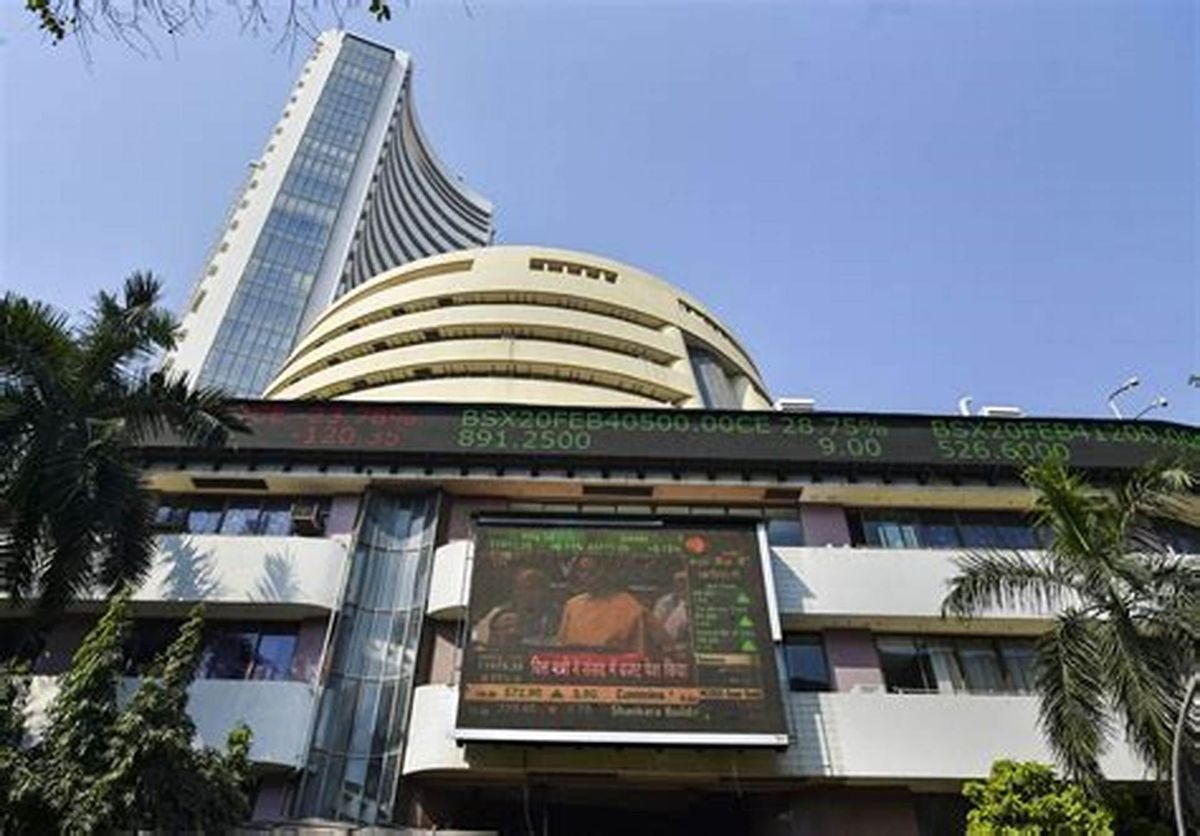
Indian Economy
The Indian economy presents a complex picture of impressive achievements alongside persistent challenges. Its strengths include a large, youthful population; a vibrant entrepreneurial ecosystem; strong service sectors; and accelerating digital adoption.

Nuclear Bomb - What if?
Nuclear weapons are stored and maintained under extremely rigorous security and safety protocols. The most effective protection remains prevention of nuclear conflict through international diplomacy, arms control agreements, and crisis management mechanisms.

Indian Entertainment
When one thinks of Indian entertainment on a global scale, Bollywood immediately springs to mind. Based primarily in Mumbai, the Hindi film industry is a behemoth, producing a vast number of films annually, often characterized by their vibrant musical numbers

Indian Industry
India's economy has evolved into a multifaceted system encompassing traditional sectors like agriculture and textiles, as well as cutting-edge industries such as pharmaceuticals, information technology, and renewable energy.

Indian Cities
From the bustling metropolises that pulse with economic energy to the ancient centers steeped in history and culture, India's cities are the vibrant heartbeats of this diverse nation. These urban landscapes are dynamic microcosm.

Latest News
The political landscape is currently abuzz with discussions surrounding upcoming state elections in several regions. Parties are actively campaigning, focusing on issues ranging from economic development and job creation to social welfare programs.

Union Territories of India
Union territories are federal territories governed directly by the Central Government of India. Some UTs have their own legislatures and elected governments, while others are administered by appointed administrators or lieutenant governors.
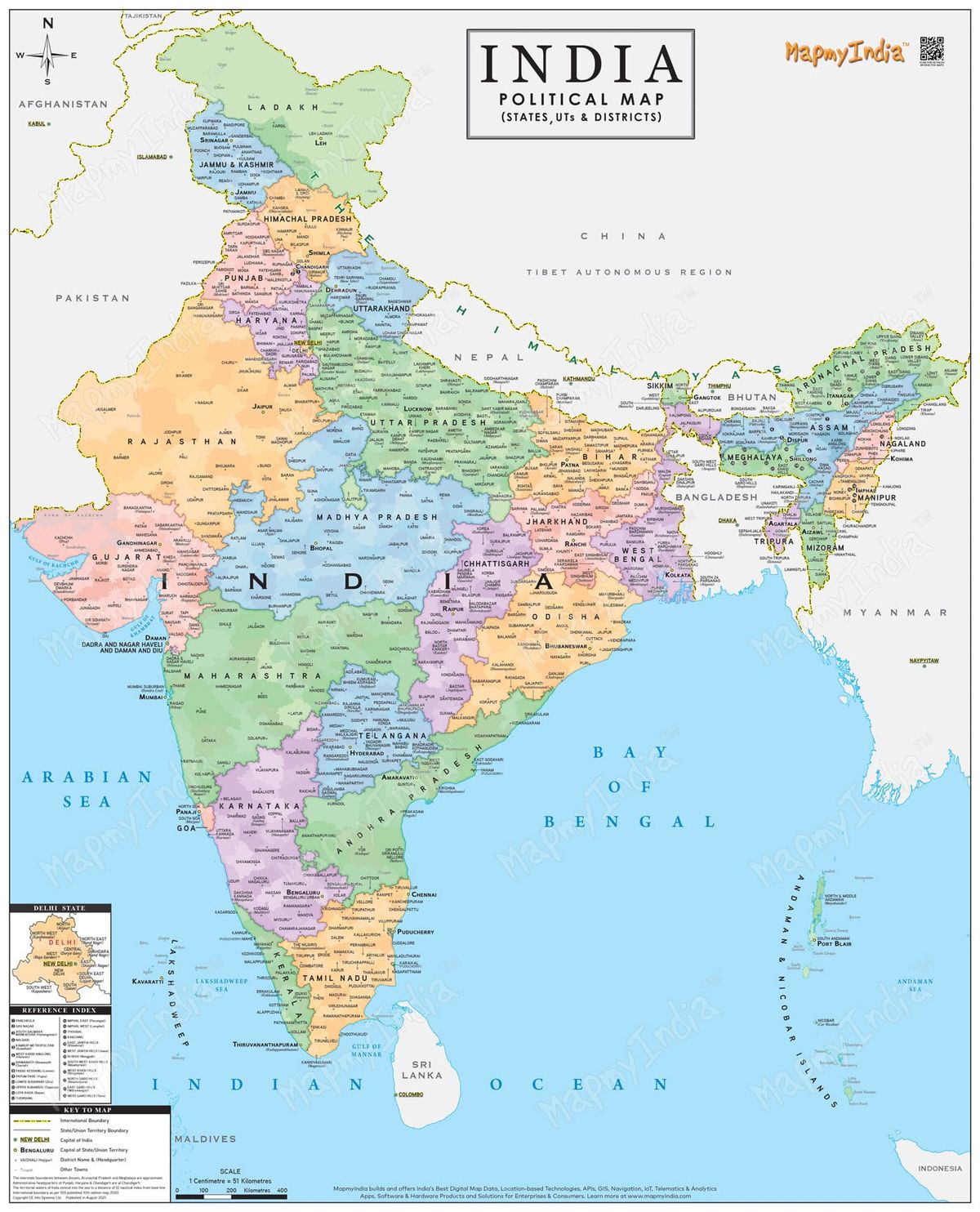
Indian States
India comprises 28 states and 8 union territories, each with unique geographical features, economic strengths, cultural heritage, and governance structures. Each of these administrative divisions contributes uniquely to the nation's vibrant mosaic.
More in indian food

Jackfruit - Chakka
From sweet chips to diabetic-friendly flour, jackfruit has become a superfood success story in Kerala. Its transformation reflects not just agricultural potential but also Kerala’s cultural richness, innovation, and sustainable approach to food.

Indian Agriculture
Indian agriculture stands at a crossroads, balancing its traditional role as a livelihood provider with emerging demands for sustainability, efficiency, and nutritional security. The sector's evolution will determine not just India's food future but also its ability to address rural prosperity
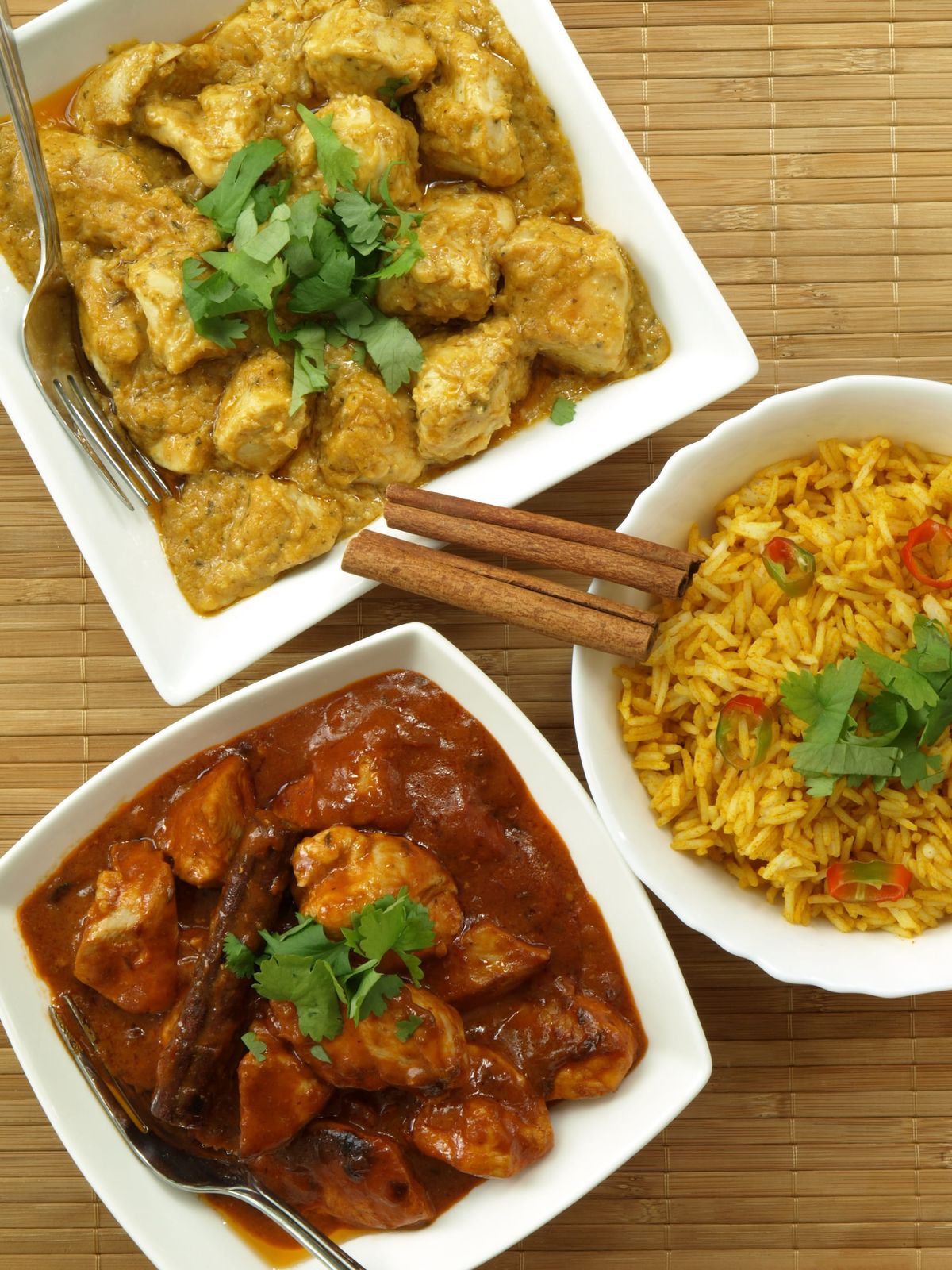
Indian Food Industry
Indian food represents one of humanity's great culinary achievements—a living tradition that spans thousands of years while continuously evolving. From the agricultural fields to restaurant tables worldwide, Indian cuisine embodies diversity, innovation, and deep cultural meaning.

Indian cuisine
India's culinary landscape is as diverse as its people, with each region offering distinct flavors and specialties: It encompasses a vast array of flavors, ingredients, and cooking techniques, reflecting the country's diverse geography and rich heritage.

Indian Vegetables
India's vegetable sector is a vital component of its agricultural economy, providing nutrition, employment, and export earnings. With continued investment in infrastructure, research, and sustainable practices, India is poised to strengthen its position in the global vegetable market.

Indian Fruits
Indian fruits are a remarkable blend of flavor, nutrition, cultural relevance, and economic potential. With increasing investments in technology, infrastructure, and global market access, India is well-positioned to lead the world.

Indian Food Trends
he diversity of Indian food is unparalleled, ranging from the robust tandoori dishes of Punjab to the delicate steamed delights of the Northeast, and from coastal seafood feasts in Kerala to the rich vegetarian platters of Gujarat.

Kerala Food
Kerala cuisine is not just food; it is a celebration of life, land, and legacy. Each dish tells a story of migration, community, and adaptation. Whether it's a humble thoran or a rich biryani, every bite of Kerala food connects you to the lush landscapes and layered traditions of God's Own Country.
More in news

Ayurveda
Discover the ancient wisdom of Ayurveda from the heart of Kerala with AyurKerala—a comprehensive resource for personalized wellness rooted in tradition. This platform offers in-depth guidance on Ayurvedic philosophy, dosha analysis, dietary and lifestyle recommendations, herbal remedies,

Chandigarh India
The history of the area around Chandigarh dates back to the Indus Valley Civilization. Archaeological findings have revealed settlements in the region dating back thousands of years. However, the modern city of Chandigarh is a relatively recent creation.

Lakshadweep India
Lakshadweep is shrouded in mystery, with limited archaeological evidence. Local legends attribute the first settlement to the period of Cheraman Perumal, the last ruler of the Chera dynasty of Kerala.

Delhi India
Delhi's history spans several millennia, with evidence of continuous habitation from at least the 6th century BCE. It has served as the capital of numerous empires and kingdoms, each leaving its indelible mark on the city's landscape and culture.

Puducherry
Puducherry's history can be traced back to ancient times, with archaeological evidence suggesting Roman trade links in the vicinity. However, its documented history begins with the arrival of European traders. The Portuguese were the first to establish a factory in Puducherry in the 16th century.

Ladakh India
adakh's history is deeply intertwined with Tibetan culture and Buddhism. Archaeological evidence suggests settlements dating back to the Bronze Age. By the 1st century CE, Ladakh was part of the Kushan Empire. In the following centuries, it came under the influence of various Tibetan kingdoms.

Jammu and Kashmir India
The culture of Jammu and Kashmir is a vibrant blend of Hindu, Muslim, Sikh, and Buddhist traditions, reflecting the region's diverse history and geography. Distinct cultural identities are found in the Jammu, Kashmir Valley, and Ladakh regions.