

Kottayam stands as a microcosm of Kerala's development model—balancing tradition with modernity, education with enterprise, and growth with sustainability. The district's identity as the "Land of Letters" continues to evolve, as it navigates the challenges of contemporary development.
Kerala's Literary Capital and Land of Lakes and Letters
Nestled between the Western Ghats and the backwaters of Kerala, Kottayam is a district that seamlessly blends cultural heritage, educational excellence, and natural beauty. Known as the "Land of Lakes and Letters," Kottayam has played a pivotal role in Kerala's literary movement while maintaining its distinctive character amid Kerala's rapidly evolving landscape. From its pioneering contributions to journalism and literature to its vibrant agricultural sector and emerging tourism potential, Kottayam offers a multifaceted portrait of modern Kerala.
Geography and Natural Features
Kottayam district spans an area of approximately 2,208 square kilometers, characterized by diverse geographical features that transition from the high ranges of the Western Ghats in the east to the low-lying regions of Kuttanad in the west. The district's western areas merge with the famous backwaters of Vembanad Lake, while the eastern highlands rise to create a picturesque landscape of rolling hills and valleys.
Rivers and Waterways
Several major rivers flow through Kottayam, shaping its geography and culture:
Meenachil River: The lifeline of the district, immortalized in Arundhati Roy's "The God of Small Things"
Manimala River: Flowing through the northern parts of the district
Muvattupuzha River: Forming parts of the district's northern boundary
Achankovil River: Influencing the southern regions
These rivers, along with numerous streams and canals, create an intricate network of waterways that have historically facilitated transportation, agriculture, and commerce in the region.
Vembanad Lake
The western boundary of Kottayam is defined by Vembanad Lake, one of the largest lakes in India and part of the extensive Kerala backwater system. This lake not only supports the region's ecosystem but also serves as a hub for tourism and traditional livelihoods:
Kumarakom, a cluster of islands on Vembanad Lake, has developed into a premium tourist destination
Traditional fishing and farming communities thrive along its shores
Water transportation remains vital for many communities in the lake region
The lake hosts rich biodiversity, including migratory birds at Kumarakom Bird Sanctuary
Infrastructure and Transportation
Road Network
Kottayam features a relatively well-developed road infrastructure by Kerala standards:
Main Central Road (MC Road) passes through the district, connecting it to other parts of Kerala
National Highway 183 (formerly NH 220) links Kottayam to Madurai in Tamil Nadu
National Highway 183A connects Kottayam to the high ranges and neighboring Idukki district
A network of state highways and district roads provides connectivity to interior areas
The Kottayam bypass reduces traffic congestion in the main city area
Railways
Kottayam Railway Station is a key junction on the Thiruvananthapuram-Ernakulam rail corridor:
Located on the busy trunk route connecting Kerala's major cities
Serves as a stop for numerous express and passenger trains
Historically significant as one of the older railway stations in Kerala
Recently upgraded with modern amenities and facilities
Airports Nearby
While Kottayam does not have an airport within its boundaries, it is well-connected to two international airports:
Cochin International Airport: Approximately 80 km from Kottayam town
Trivandrum International Airport: Around 150 km from Kottayam
Water Transport
Given its extensive network of waterways, water transportation plays a significant role in Kottayam:
Ferry services operated by the State Water Transport Department connect various points along Vembanad Lake
Traditional boats like vallams and kettuvallams serve communities in the backwater regions
Modern tourist boats and houseboats offer leisure transportation options
Historic water routes that once served as main transportation arteries are now primarily used for tourism and local transportation
Local Transportation
Within Kottayam town and surrounding areas, transportation options include:
Kerala State Road Transport Corporation (KSRTC) buses
Private bus services covering both urban and rural routes
Auto-rickshaws for short-distance travel
Taxi services, increasingly available through app-based platforms
Traditional canoes and small boats in waterfront areas
Long-Distance Bus Services
Kottayam serves as a hub for long-distance bus services:
KSRTC operates services to major cities in Kerala and neighboring states
Private operators provide luxury coach services to metropolitan cities like Bangalore, Chennai, and Coimbatore
The central bus station in Kottayam town serves as a major transit point
Night services connect Kottayam to major South Indian cities
Demographics and Culture
Population
Kottayam district has a population of approximately 1.9 million, with Kottayam town proper housing around 130,000 residents. The population density stands at about 860 persons per square kilometer, which is lower than some of Kerala's coastal districts but still considerable by national standards.
Communities and Social Structure
Kottayam's population reflects Kerala's religious diversity, with a higher proportion of Christians compared to most other districts:
Christians form about 43% of the population (primarily Syrian Christians and others)
Hindus constitute approximately 49% (including various communities like Nairs, Ezhavas, and others)
Muslims make up around 8% of the district's population
Small communities of other religious groups also exist
Social stratification persists to some degree, though Kerala's progressive policies have mitigated some of the stark disparities found elsewhere in India. The district has historically been home to several forward-looking social reform movements that have shaped its relatively egalitarian outlook.
Language and Communication
Malayalam is the predominant language, with Kottayam dialect having its own distinctive characteristics. English is widely understood, especially among the educated population. The district's high literacy rate (nearly 97%) facilitates communication and information exchange.
Economy and Industries
Agriculture
Agriculture remains fundamental to Kottayam's economy, with several key crops:
Rubber: Kottayam is often referred to as the "Rubber Country" due to extensive rubber plantations
Spices: Pepper, cardamom, and other spices thrive in the highland regions
Rice: Cultivated in the low-lying areas, particularly in the Kuttanad region
Tapioca: A staple crop with cultural significance
Coconut: Grown throughout the district and supporting various cottage industries
Traditional Industries
Several traditional industries contribute to the local economy:
Coir manufacturing using coconut fiber
Handloom weaving and textile production
Handicrafts including bell metal work
Small-scale food processing units
Traditional boat building
Modern Sectors
The district has seen growth in several modern economic sectors:
Tourism centered around backwaters, particularly in Kumarakom
Publishing and media, reflecting Kottayam's literary heritage
Healthcare services with multiple specialty hospitals
Educational services spanning primary to higher education
Retail and service industries catering to urban populations
IT Industry
While not as prominent as in cities like Kochi or Thiruvananthapuram, Kottayam has seen modest growth in information technology:
Small IT parks and technology centers
Business process outsourcing services
Educational technology startups
IT support services for local businesses and institutions
Markets and Commercial Centers
Kottayam's commercial landscape includes:
The central market area near the old bus stand
Specialized markets for agricultural produce
Weekly farmers' markets
Commercial streets like TB Road and KK Road
Neighborhood markets serving specific communities
Education
Legacy of Literacy
Kottayam holds the distinction of being the first district in India to achieve 100% literacy, reflecting its deep-rooted commitment to education. This achievement was the culmination of various literacy movements and educational initiatives that have historically defined the district.
Schools
The district boasts a robust school education network:
Government and aided schools following the Kerala State Board curriculum
CBSE and ICSE affiliated private schools
Specialized schools offering alternative educational approaches
Vocational training institutions
Schools catering to differently-abled students
Higher Education
Kottayam is home to prestigious higher education institutions:
Mahatma Gandhi University, a major state university
CMS College, one of the oldest colleges in India
Medical College, Kottayam, a premier medical education institution
College of Engineering, Kidangoor
Multiple arts and science colleges with specialized programs
Agricultural colleges and research institutions
Research Institutions
Several research institutions operate in the district:
Rubber Research Institute of India
Central Tuber Crops Research Institute regional station
Kerala Forest Research Institute extension
Agricultural research stations
Publishing and Literary Heritage
Kottayam's status as the "Land of Letters" is rooted in its pioneering role in Malayalam publishing:
First Malayalam newspaper (Deepika) was published from Kottayam
Home to leading Malayalam publications including Malayala Manorama and Deepika
Birthplace of numerous prominent Malayalam writers and poets
Center for early printing and publishing in Malayalam
Historical hub for literary movements and cultural renaissance
Tourism
Kumarakom
The backwater destination of Kumarakom has emerged as Kottayam's premier tourist attraction:
Houseboats offering overnight cruises and day tours
Luxury resorts along the lake shores
Kumarakom Bird Sanctuary hosting local and migratory birds
Village life experiences showcasing traditional livelihoods
Wellness tourism centered around Ayurvedic treatments
Religious Tourism
Kottayam's diverse religious heritage attracts pilgrims and cultural tourists:
Ettumanoor Mahadeva Temple with its ancient architecture and murals
St. Mary's Orthodox Church (Cheriyapalli), known for its archaeological significance
Thazhathangady Juma Masjid, one of the oldest mosques in India
Vaikom Mahadeva Temple, site of the historic Vaikom Satyagraha
Various Syrian Christian churches with historical significance
Heritage and Cultural Sites
Cultural and heritage attractions include:
Bay Island Driftwood Museum featuring unique driftwood sculptures
Thazhathangady, with its historic architectural heritage
Traditional illam houses showcasing Kerala architecture
Historical monuments reflecting the region's colonial interactions
Cultural villages highlighting traditional arts and crafts
Living Standards and Housing
Quality of Life
Kottayam reflects Kerala's generally high human development indicators:
High literacy rates (nearly 97%)
Better healthcare access compared to national averages
Lower infant mortality rates
Higher life expectancy
Relatively better gender equality metrics
Residential Patterns
Housing in Kottayam showcases both traditional and contemporary styles:
Traditional Kerala-style homes with courtyards (nalukettu) in rural areas
Modern apartment complexes in urban centers
Waterfront properties along the backwaters
Suburban residential developments expanding outward from Kottayam town
Affordable housing initiatives for economically disadvantaged populations
Food and Cuisine
Traditional Cuisine
Kottayam's culinary tradition reflects central Kerala's gastronomic heritage:
Syrian Christian specialties like Appam with Stew and Duck Roast
Traditional Kerala sadya (feast) with an array of vegetarian dishes
Kuttanadan seafood preparations using freshwater fish
Tapioca and fish curry, a staple combination
Puttu and kadala curry for breakfast
Dining Options
The culinary landscape includes:
Traditional vegetarian restaurants serving meals on banana leaves
Syrian Christian specialty restaurants
Modern cafes catering to younger populations
Backwater resorts offering premium dining experiences
Street food vendors and small eateries serving local delicacies
Hospitality
Accommodations range from:
Luxury resorts in Kumarakom overlooking the backwaters
Heritage hotels in restored buildings
Mid-range hotels in Kottayam town
Budget guesthouses and homestays
Houseboats offering overnight stays
Religion and Places of Worship
Temples
Significant Hindu temples include:
Ettumanoor Mahadeva Temple, famous for its ancient murals
Vaikom Mahadeva Temple, one of the oldest Shiva temples in Kerala
Thirunakkara Mahadeva Temple in the heart of Kottayam town
Numerous local temples dedicated to various deities
Churches
The Christian heritage is represented by:
Kottayam Cheriapally (St. Mary's Orthodox Church), dating back to 1579
Kottayam Valiyapally, an important spiritual center
St. Joseph's Church at Mannanam
CSI Christ Church, representing the Protestant tradition
Numerous Syrian Christian, Latin Catholic, and Orthodox parishes
Mosques
Islamic places of worship include:
Thazhathangady Juma Masjid, one of the oldest mosques in India
Various neighborhood mosques serving local communities
Sports and Recreation
Traditional Sports
Kottayam has a rich tradition of indigenous sports and games:
Vallam Kali (boat races) during Onam season
Kalari (traditional martial arts)
Various traditional games associated with temple festivals
Modern Sports
Facilities for modern sports include:
Nehru Stadium in Kottayam town
Various college and school grounds hosting local tournaments
Indoor stadiums for badminton and basketball
Swimming pools and sports academies
District sports facilities for training young athletes
Entertainment and Leisure
Cultural Entertainment
Traditional entertainment forms include:
Kathakali performances showcasing Kerala's classical dance-drama
Mohiniyattam and other classical dance forms
Chavittu Nadakam, influenced by European opera
Local theatrical traditions and folk performances
Modern Entertainment
Contemporary entertainment options encompass:
Multiple movie theaters screening Malayalam films and other languages
Cultural centers hosting performances and exhibitions
Public parks and gardens for recreation
Shopping malls offering entertainment facilities
Annual cultural festivals and events
Media and Film
Kottayam's connection to media extends to:
Headquarters of major Malayalam newspapers
Film shooting locations, particularly in Kumarakom
Regional television channels with local content
Music recording studios and production houses
Local drama groups preserving theatrical traditions
Urban Management and Development
Administration
Kottayam is administered by:
Kottayam Municipality for the urban area
Gram panchayats for rural regions
District administration overseeing development activities
Waste Management
Waste management strategies include:
Decentralized waste processing initiatives
Plastic waste reduction programs
Community-based waste segregation efforts
Composting and biogas projects at institutional levels
Awareness campaigns promoting waste reduction
Urban Planning
Kottayam's urban development is guided by:
Master plans addressing infrastructure needs
Zoning regulations preserving heritage areas
Green space preservation initiatives
Water body conservation efforts
Traffic management systems addressing congestion
Politics and Governance
The political landscape of Kottayam is characterized by:
Competitive democracy between major political coalitions
Strong influence of communal organizations representing various religious groups
Historically high voter participation
Vibrant local self-governance institutions
Active civil society organizations
Climate
Kottayam experiences a tropical climate with:
Hot and humid summers (March to May) with temperatures up to 35°C
Southwest monsoon (June to September) bringing heavy rainfall
Northeast monsoon (October to December) with intermittent showers
Mild winters (December to February) with temperatures around 20-32°C
Annual rainfall averages around 3,000 mm, supporting the lush vegetation and abundant water resources that define the region.
Challenges and Future Outlook
Current Challenges
Kottayam faces several developmental challenges:
Balancing economic growth with environmental conservation
Addressing infrastructure needs in growing urban areas
Managing waste effectively as consumption patterns change
Adapting to climate change impacts, particularly in low-lying areas
Creating employment opportunities for educated youth
Future Prospects
Potential development pathways include:
Sustainable tourism models that preserve the ecological balance
Value addition in agricultural sectors, particularly rubber and spices
Knowledge economy leveraging the district's educational strengths
Enhancement of transportation infrastructure, particularly waterways
Development of healthcare as a service sector with growth potential
Urban Expansion
The urban footprint is gradually extending to suburbs like:
Chingavanam
Ettumanoor
Pampady
Kumarakom
Conclusion
Kottayam stands as a microcosm of Kerala's development model—balancing tradition with modernity, education with enterprise, and growth with sustainability. The district's identity as the "Land of Letters" continues to evolve, as it navigates the challenges of contemporary development while preserving its cultural heritage and natural beauty. From its tranquil backwaters to its vibrant urban centers, from rubber plantations to publishing houses, Kottayam offers a multifaceted portrait of Kerala's distinctive characteristics—serene landscapes, progressive social indicators, rich cultural traditions, and an enduring commitment to education and enlightenment.
More in kerala

Cochin International Airport
Cochin International Airport stands as a testament to innovative airport management, environmental responsibility, and exceptional passenger service. Its achievement as the world's first fully solar-powered airport has set new standards for sustainable aviation infrastructure globally.
Thalassery - Kerala
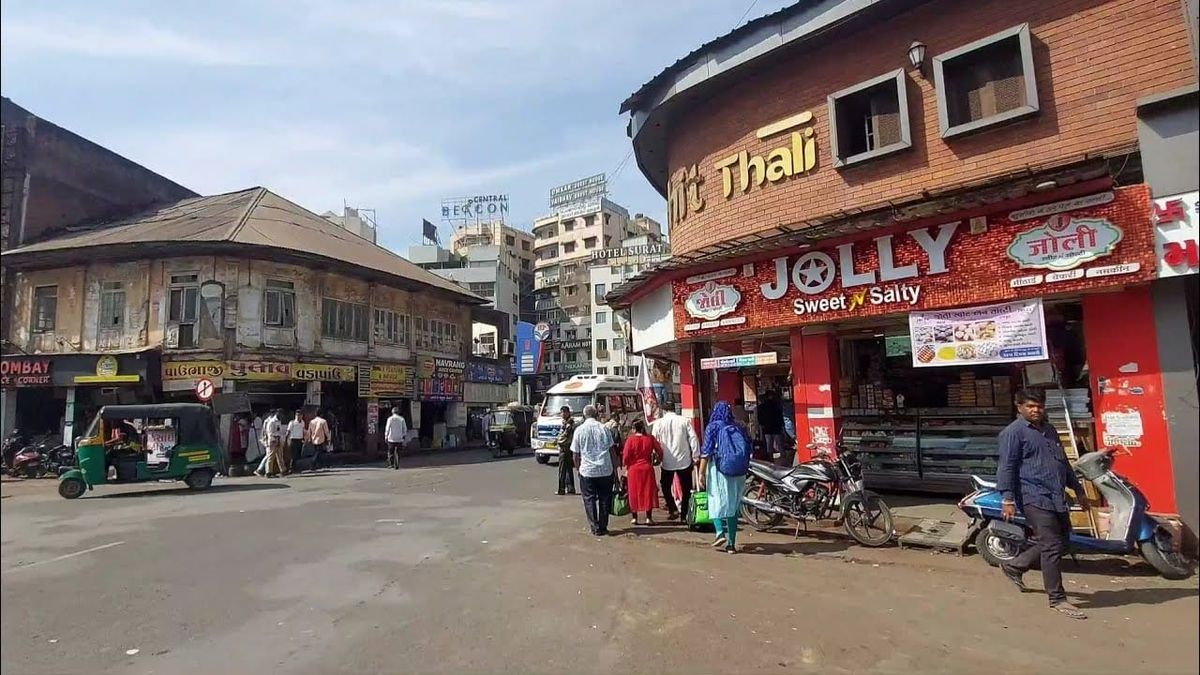
Thalassery also called as Tellicherry is commonly known for 3 C's Which is Circus, Cricket, Cake. Being once a British outpost, Thalassery claims many firsts – it is said to be where the first game of cricket in India was played by the British, where the first circus performed.
Kerala Hospitals
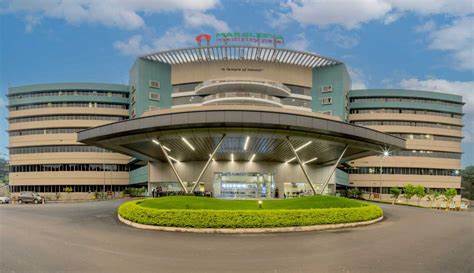
Kerala's healthcare model, combining accessibility, quality, world class hospitals, and inclusivity, continues to evolve as a notable example within India's diverse healthcare landscape, positioning the state as both a healthcare provider and innovator in the coming decades.

Pala Kottayam Kerala
Pala's environmental concerns include river pollution, plastic waste accumulation, and conservation of natural resources. The impact of climate change has become evident through altered rainfall patterns and extreme weather.

Kannur (Cannanore) Kerala
Kannur continues its development journey, the challenge remains to preserve its unique cultural heritage and natural beauty while providing economic opportunities for its population – a balancing act that defines not just Kannur but Kerala's distinctive development model as a whole.

Wayanad Kerala
Wayanad offers far more than scenic vistas and adventure opportunities—it provides a window into the complex interplay between humanity and nature in one of India's most beautiful highland regions. As local communities work to define a sustainable path forward, Wayanad continues to evolve

Kozhikode Kerala
Kozhikode stands at a fascinating crossroads—a city deeply rooted in its illustrious history while actively embracing modernity. From the aromatic spice markets that once attracted traders from across the globe to the emerging IT parks shaping its future

Malappuram Kerala
Malappuram represents a dynamic region in transition, balancing traditional values with modern aspirations. Its diverse cultural landscape, natural beauty, and entrepreneurial spirit position it as an emerging district in Kerala's development narrative.
More in kerala cities

Idukki Kerala India
Idukki stands as a testament to the harmonious coexistence of natural beauty, cultural diversity, and human enterprise. This highland district, with its mist-covered mountains, sprawling plantations, powerful rivers, and rich biodiversity, represents a unique facet of Kerala.

Thrissur (Trichur)
Thrissur embodies Kerala's distinctive development model where cultural richness, educational achievement, and community cohesion complement economic progress. The city's identity remains firmly anchored in its cultural heritage while adapting to contemporary realities.

Thiruvananthapuram
Under India's Smart Cities Mission, Thiruvananthapuram has implemented projects including integrated command and control center, smart roads with utility ducts, and intelligent traffic management systems. These initiatives aim to leverage technology for improving urban services and quality of life