
Punjab, India · Sikh Heritage · Farms & Fields · Food · Music · Villages · History · Hospitality
Punjab — The Land of the Five Rivers, Golden Fields and Living Heritage
A journey through Sikh heritage, vibrant cities, farming traditions, music, food and unforgettable hospitality.
Recovered from an unused article module in the owner-supplied Indias.com source archive; newly made available here, not evidence that this page was previously published. Current timings, programmes and access must be confirmed with the cited sources.
Tags: Punjab · Punjab Tourism · Amritsar · Golden Temple · Sikh Heritage · Punjabi Food · Bhangra · Punjab Villages · Punjab Culture · Punjab Festivals · Punjab Travel · Punjab Photography · Punjab History · Chandigarh · Patiala · Ludhiana · Anandpur Sahib · Wagah Attari · Phulkari · Baisakhi · Hola Mohalla · Partition India · Harike Wetland
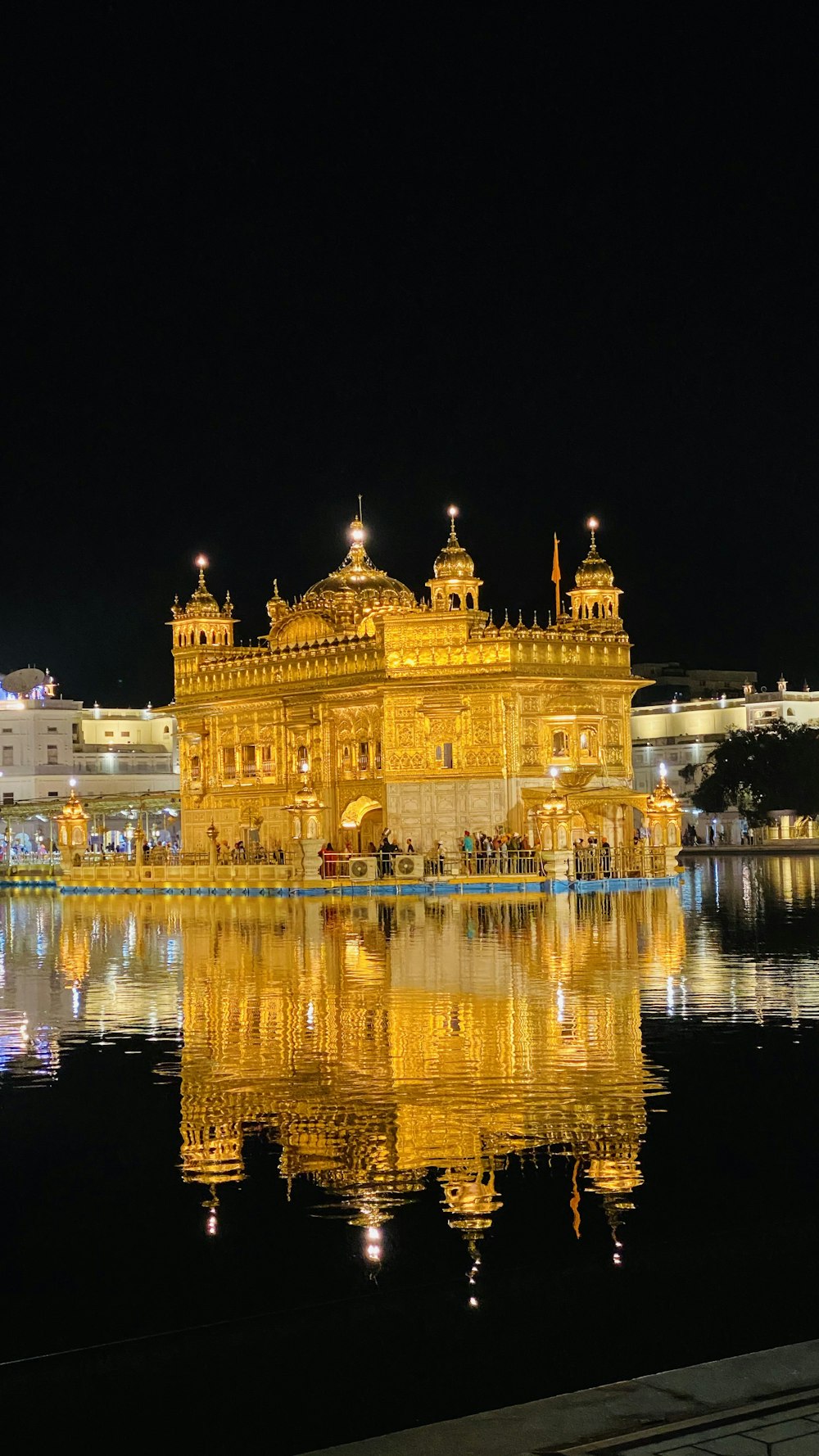
Punjab is one of India's most culturally recognisable regions — a land of fertile fields, historic cities, sacred Sikh heritage, energetic music and dance, distinctive cuisine, colourful festivals and a remarkably strong tradition of hospitality.
The name Punjab is commonly associated with the 'land of five rivers,' reflecting the historical geography of the region. Modern Indian Punjab occupies the eastern portion of the historic Punjab region, while the wider cultural region extends across the international border into Pakistan.
For travellers, Punjab offers a fascinating combination of religion, history, agriculture, food, architecture, music and everyday life. It is a destination where a visit to a centuries-old gurdwara can be followed by a meal in a bustling market, a drive through agricultural countryside or an evening filled with Punjabi music.
Amritsar — The Spiritual Heart of Punjab
Few Indian cities have a landmark as immediately recognisable as Amritsar's Golden Temple.
The **Harmandir Sahib**, commonly known as the Golden Temple, is one of the most important Sikh religious sites in the world. Its golden architecture reflected in the surrounding sacred pool creates one of India's most iconic scenes.
But the experience goes far beyond architecture. The temple complex is a living centre of worship, community service and hospitality. Visitors can witness prayer and devotional music, the sacred pool (sarovar), pilgrims arriving from around the world, the **Akal Takht**, traditional Sikh practices, and the community kitchen — the **langar**.
The concept of **langar**, in which people are served food regardless of social or economic background, represents one of the most powerful expressions of equality and community service associated with Sikh tradition.
Jallianwala Bagh — A Place of Memory
Amritsar also contains **Jallianwala Bagh**, a historic memorial associated with one of the most tragic episodes of India's independence movement. The site commemorates those killed and wounded during the **1919 massacre**.
For visitors, it is not simply another tourist attraction. It is a place for reflection on colonial history, India's freedom movement and the human consequences of political violence.
Read a short summary of what happened before you arrive — it makes the visit far more meaningful. The **narrow entrance passage**, bullet-marked walls, Martyrs' Well and central memorial flame remain visible reminders.
The Wagah–Attari Border
The **Attari–Wagah border** has become one of Punjab's best-known visitor experiences. The daily border ceremony features highly choreographed military movements, flag ceremonies and interaction between crowds on either side of the international boundary.
It provides an unusual opportunity to observe the symbolism and emotion associated with the India–Pakistan border. The gates briefly open, hands are shaken, then the gates close for the night.
A tourism portal should also explain the historical context of the **Partition of India**, which dramatically transformed Punjab and the lives of millions of people. Punjab's cultural region extends beyond the modern boundary — language, food, music and family histories existed long before the line was drawn.
Punjab's Fields — The Agricultural Landscape
One of Punjab's defining landscapes is its agricultural countryside. **Wheat, rice** and other crops have played a major role in the state's economy and identity.
The sight of expansive green or golden fields, farm machinery, irrigation systems, village roads and traditional rural homes creates a very different tourism experience from India's major metropolitan destinations.
For photographers, rural Punjab provides extraordinary opportunities for documenting farming, harvesting, rural families, traditional homes, agricultural machinery, village markets, seasonal landscapes, mustard fields and sunrises and sunsets.
This is an ideal area for collaboration between **IndiaTourism.pro**, **PhotoPulse.pro** and **Indias.com**.
Punjabi Villages
Punjab's villages are an important part of its cultural identity. A village experience can reveal agricultural life, traditional food, local celebrations, gurdwaras, community gatherings, folk music, handicrafts, rural architecture and changing patterns of modern agriculture.
Tourism development should encourage **respectful community-based experiences** rather than turning everyday village life into a staged performance.
Punjabi Food
Punjabi cuisine is among India's most internationally recognised culinary traditions.
Well-known dishes include **Sarson da Saag, Makki di Roti, Chole, Rajma, Dal Makhani, Amritsari Kulcha, tandoori dishes, paneer preparations, butter chicken, lassi, jalebi** and various Punjabi sweets.
Food differs considerably between households, communities and regions. Punjab's food culture is also strongly connected with **hospitality** — meals are frequently an important part of social gatherings and celebrations.
Amritsari Food
Amritsar deserves special attention as a food destination.
**Amritsari Kulcha** — a popular stuffed bread traditionally cooked in a tandoor and served with accompaniments.
**Amritsari Fish** — a well-known local preparation batter-fried with ajwain and gram flour.
**Chole** — a staple enjoyed in many forms across the city.
**Lassi** — a traditional yogurt-based drink available in numerous variations, often served in a clay kulhad.
**Street Sweets** — markets offer jalebi, gulab jamun, milk cake and other sweets.
A dedicated **Punjab Street Food** section on IndiaTourism.pro could eventually map famous foods to the cities and establishments where visitors can experience them.
Punjabi Music
Music is central to Punjabi cultural expression. Traditional folk music has historically accompanied weddings, harvests, religious celebrations, community gatherings, seasonal festivals and storytelling.
Instruments such as the **dhol, tumbi and algoza** are strongly associated with Punjabi musical traditions.
At the same time, Punjab has become one of India's major centres of contemporary popular music. Modern Punjabi music has developed a global audience through streaming platforms, cinema, music videos, social media, diaspora communities and international collaborations.
This makes Punjab an excellent example of how traditional culture can evolve into a **global cultural industry**.
Bhangra and Giddha
**Bhangra** is perhaps Punjab's most internationally famous dance tradition. Historically associated with agricultural celebrations, it has evolved into a major cultural and performance form.
**Giddha**, traditionally associated with women, is another important Punjabi folk dance. Both demonstrate the relationship between music, movement, community and celebration.
Today, Punjabi dance is performed not only in Punjab but throughout India and in Punjabi communities around the world.
Sikh Heritage
Punjab is deeply connected with the history and development of **Sikhism**.
Important Sikh heritage destinations include the **Golden Temple, Akal Takht, Anandpur Sahib, Takht Sri Kesgarh Sahib, Tarn Taran, Fatehgarh Sahib, Sultanpur Lodhi** and other locations beyond Punjab as part of the wider Sikh pilgrimage network (Patna Sahib, Hazur Sahib and others).
The state therefore offers an important opportunity for visitors to learn about Sikh history, philosophy, architecture and community traditions. Tourism content should distinguish clearly between religious belief, historical information and visitor guidance, while treating places of worship respectfully.
Anandpur Sahib
**Anandpur Sahib** is one of Punjab's significant Sikh pilgrimage centres. The city is particularly associated with Sikh history and the formation and development of the **Khalsa** tradition in 1699 by Guru Gobind Singh.
The remarkable **Virasat-e-Khalsa** museum, on a ridge above the town, uses immersive galleries to trace Punjab's culture, the Sikh Gurus, the founding of the Khalsa and the Sikh Empire.
The surrounding landscape also provides a different visual experience from the agricultural plains of central Punjab — Anandpur Sahib sits at the edge of the Shivalik foothills.
Festivals of Punjab
Punjab is famous for its energetic festivals and celebrations.
Important cultural occasions include **Baisakhi, Lohri, Gurpurabs, Hola Mohalla, Diwali, Teeyan** and harvest celebrations.
**Baisakhi** is especially significant in Punjab because of both agricultural and Sikh historical associations. For farmers, it has traditionally marked the spring harvest season. For Sikhs, it carries profound historical significance associated with the establishment of the **Khalsa in 1699**.
Hola Mohalla
**Hola Mohalla**, particularly associated with Anandpur Sahib, combines religious observance, community gathering and displays of traditional martial skills.
Visitors may encounter demonstrations of **Gatka** (traditional Sikh martial art), horse riding, music and other cultural activities by the **Nihangs** in blue turbans and yellow robes.
It is one of the most distinctive cultural experiences in Punjab.
Punjab's Partition History
Punjab's modern history cannot be understood without discussing the **Partition of 1947**.
The division of British India created an international boundary through the historic Punjab region. **Millions of people were displaced**, while communities experienced enormous loss and upheaval. Cities, villages and families were divided.
For Punjab tourism, this history is particularly important because today's landscape contains numerous places connected to memories of Partition.
A future feature on IndiaTourism.pro is a **Punjab Partition Heritage Trail**, connecting museums, memorials, historic railway stations, border locations, oral histories, archival photographs, personal stories and family histories — linking naturally with the broader family-history ecosystem.
Chandigarh — A Planned Modern City
**Chandigarh** provides a striking contrast to Punjab's historic cities and rural landscapes. Designed as a modern planned city after independence by **Le Corbusier**, Chandigarh is internationally recognised for its architecture and urban planning.
Important attractions include the **Capitol Complex, Rock Garden, Sukhna Lake, Rose Garden**, sector markets and modernist architecture.
Chandigarh is also the **capital of both Punjab and Haryana**, while serving as a Union Territory. Tourism content should explain its relationship with both states clearly.
Punjab's Cities
A comprehensive Punjab tourism portal should eventually provide individual destination pages for **Amritsar, Ludhiana, Jalandhar, Patiala, Bathinda, Mohali, Pathankot, Hoshiarpur, Kapurthala, Moga, Firozpur, Faridkot, Sangrur, Rupnagar** and **Anandpur Sahib**.
Each city can have its own history, places, food, hotels, markets, festivals, photos, videos, events, transportation, local experiences, maps and AI travel guide.
Patiala — Royal Heritage and Culture
**Patiala** is known for its royal history, architecture, traditional culture and distinctive food and clothing traditions.
The city and surrounding region provide opportunities to explore **Qila Mubarak, Moti Bagh Palace, museums, traditional markets, Punjabi crafts, food** and musical traditions.
Patiala also has a long association with Punjabi classical and folk musical traditions — the **Patiala gharana** is one of Hindustani music's most influential khayal lineages.
Ludhiana — Punjab's Industrial City
Punjab is not only an agricultural state.
**Ludhiana** is an important industrial and commercial centre, historically associated with textiles, bicycles, manufacturing and other industries.
This provides another important dimension for tourism storytelling: Punjab is simultaneously an **agricultural landscape, cultural centre and industrial economy**.
Industrial heritage and modern economic development could become a future category on IndiaTourism.pro.
Punjab's Markets & Phulkari
Punjab's markets offer visitors opportunities to experience everyday life rather than only formal tourist attractions.
Look for **Punjabi clothing, Phulkari textiles, juttis, handicrafts, jewellery, spices, sweets, agricultural products** and traditional foods.
**Phulkari**, meaning 'flower work,' is a traditional embroidery style associated particularly with Punjab. Its colourful patterns and detailed stitching make it an important part of Punjabi textile heritage. It also offers excellent opportunities for documenting artisans and traditional craft techniques.
Punjab for Photographers
Punjab is exceptionally rich in visual storytelling.
**People** — farmers, artisans, musicians, dancers and pilgrims.
**Architecture** — gurdwaras, historic buildings, colonial structures and modern cities.
**Agriculture** — fields, harvests, tractors, irrigation and village landscapes.
**Food** — markets, kitchens, street food and traditional meals.
**Festivals** — Baisakhi, Lohri, Hola Mohalla and Gurpurabs.
**Wildlife and Nature** — wetlands, agricultural ecosystems and birdlife.
**Landscapes** — mustard fields, wheat fields, rural roads and sunsets.
**Urban Life** — Amritsar, Ludhiana, Jalandhar, Patiala and Chandigarh.
These photographs can become part of the **PhotoPulse.pro** ecosystem, with photographer attribution, location, tags, captions and links back to the original photograph.
Punjab and Nature
Punjab's agricultural landscape is strongly shaped by its rivers, irrigation systems and fertile plains. Wetlands and other habitats can also support significant bird populations.
**Harike Wetland**, at the confluence of the Beas and Sutlej, is an important wetland ecosystem and a notable destination for birdwatchers. It is also home to a small population of the **Indus river dolphin**.
This provides an opportunity to connect Punjab tourism with the wider **NaturePulse** ecosystem — with weather, seasonal conditions, environmental information and wildlife observations.
Rural Tourism
Punjab has considerable potential for rural tourism.
Visitors could experience **farm stays, village walks, agricultural activities, traditional cooking, folk performances, craft workshops, cycling, rural photography** and local markets.
The goal should not be to turn villages into theme parks. Instead, well-designed rural tourism can create additional income while encouraging the preservation of cultural landscapes.
When to Visit Punjab
Punjab has distinct seasons, each creating a different travel experience.
**Winter (Nov–Feb)** — pleasant sightseeing, food, heritage; December mornings can be foggy.
**Spring (Mar–Apr)** — fields, Baisakhi and agricultural landscapes at their most photogenic.
**Summer (May–Jun)** — hot weather; plan outdoor activities carefully and travel early.
**Monsoon (Jul–Sep)** — greener countryside and changing landscapes.
**Autumn (Oct)** — festivals, agriculture and comfortable travel periods.
A future integration with **WeatherPulse.in** can provide current conditions, forecasts and historical weather information for individual destinations.
Punjab — More Than a Destination
Punjab is sometimes reduced to a few familiar images — a golden temple, a farmer in a field, a plate of food, a Bhangra dancer, a colourful festival.
But the real Punjab is much larger. It is a place where **faith, agriculture, history, industry, music, food, family and community intersect**. It is ancient and modern. Rural and urban. Traditional and global.
Its people and culture have spread far beyond the boundaries of the state, creating vibrant Punjabi communities across India and around the world.
For travellers, Punjab offers something particularly valuable: **the opportunity to experience culture as a living part of everyday life** rather than simply as something preserved inside museums.
Related articles
- Discover Punjab: Where Golden Faith Meets Golden FieldsFrom the Golden Temple to endless wheat fields — the heartland of Sikh culture, farming, food and hospitality.
- Amritsar — Spiritual Heart of PunjabGolden Temple, Jallianwala Bagh, the Partition Museum, kulcha, lassi and one of India's most powerful cities.
- Anandpur Sahib & the Sikh Heritage TrailThe birthplace of the Khalsa and the deepest chapter of Sikh history in Punjab.
- Harike Wetland — Punjab's Wild SideThe Beas–Sutlej confluence and a Ramsar wetland alive with migratory birds.
Related
- Discover Punjab (Pillar) — The companion pillar story: Golden Faith meets Golden Fields.
- Golden Temple — Sri Harmandir — Sikhism's holiest shrine, up close.
- Amritsar City Guide — Beyond the temple — food, memory, bazaars.
- Attari-Wagah Border — India's most-watched border ceremony.
- Anandpur Sahib & Sikh Trail — Where the Khalsa was born.
- Punjabi Cuisine — Kulcha, saag, lassi, tandoori.
- Punjab Farm & Village Tourism — A day in the golden fields.
- Bhangra & Giddha — The energy of Punjab.
- Patiala — Royal Punjab — Qila Mubarak, Sheesh Mahal & Patiala style.
- Harike Wetland — Punjab's Ramsar bird sanctuary.
- Discover Your Punjab Roots — Ancestral villages and diaspora journeys.
- Baisakhi — Punjab's great harvest and Khalsa day.
- PunjabTourism.com — The dedicated Punjab tourism site.